
Guide to Navigating Japan’s Trains and Subways
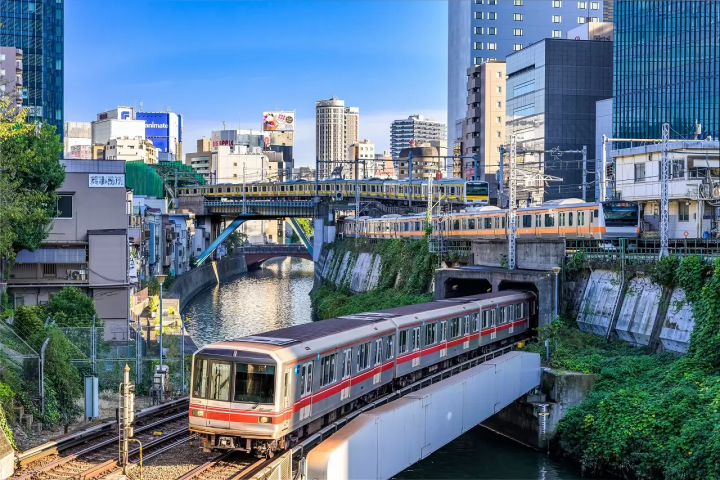

Welcome to Japan! Japan’s rail network is famous worldwide for being incredibly punctual, clean, and efficient. However, for first-time visitors, stepping into a massive transit hub like Shinjuku or Tokyo Station can feel like trying to solve a high-stakes puzzle. With multiple private railway companies overlapping, colorful maps that look like spaghetti, and different train types sharing the same track, it’s easy to get overwhelmed. Fear not! This guide will unlock the secrets of Japan’s trains so you can ride like a seasoned local.
1. Mastering IC Cards (Suica & Pasmo)
Forget buying paper tickets every time you ride. Digital transit cards are the ultimate lifehack for effortless travel across Japan’s subways, trains, and even buses:
Go Digital on Your Phone
You no longer need a physical plastic card. If you use an iPhone, you can instantly add a digital Suica or Pasmo card directly to your Apple Wallet in seconds. Top it up using your saved credit card anytime, anywhere!
The Seamless Tap-and-Go
When passing through the ticket gates (Kaisatsuguchi), simply tap your phone or physical card onto the glowing blue reader. There’s no need to wake up your phone screen; the gate will read it automatically and display your remaining balance.
More Than Just a Train Ticket
Your IC Card is essentially a digital wallet. You can use your Suica or Pasmo to pay for items at convenience stores, vending machines, coin lockers, and even many casual restaurants throughout your journey.
2. Crucial Train Etiquette for Travelers
Japanese trains are notoriously quiet and peaceful. To ensure a smooth ride and respect the local culture, keep these unwritten social rules in mind:
💡 Pro Tip for Sightseers: Look out for the “Women Only” (女性専用車) signs painted on the platforms and train windows. During intense morning rush hours (usually 7:30 AM to 9:00 AM), certain cars are strictly reserved for women, children, and passengers with disabilities to ensure comfort and safety.
Essential Transit Manners to Observe:
- Set your mobile phone to “Manner Mode” (silent) and completely avoid taking voice calls while inside the train car.
- If you are wearing a large backpack, take it off and hold it in front of you, or place it on the overhead racks to free up space in crowded cars.
- Avoid eating smelly or messy foods on standard commuter trains. However, eating and drinking is perfectly fine (and part of the fun!) on long-distance Shinkansen (Bullet Trains).
3. Decoder: Understanding Train Types
One of the biggest traps for tourists is jumping onto the first train that arrives on the platform. Multiple train types with different stopping patterns share the exact same track. Save this visual guide to avoid accidentally blasting past your destination!
Stops at every single station along the line. Perfect for short distances, but the slowest option for traveling across the city.
Skips several minor stations. It costs the exact same as a Local train but gets you to major hubs significantly faster.
Skips even more stations than the Rapid train. Great for traveling from outer suburbs into the city center without extra fees.
The fastest commuter train that only stops at major destination stations. Warning: These often require a separate premium ticket (Tokkyuken) in addition to your base fare!