
ATTRACTION BY SEASON
Winter
Winter in Japan is a magical season of serene snowscapes and festive warmth. From relaxing in natural hot springs surrounded by snow to witnessing spectacular light festivals, it offers a uniquely cozy yet adventurous experience.
- Various Matsuri
- Hatsumode (Japanese New Year)
- Garden of Illuminated Flowers
- Snow Lantern Festival
- Jigokudani Monkey Park
Japanese Traditional Activities
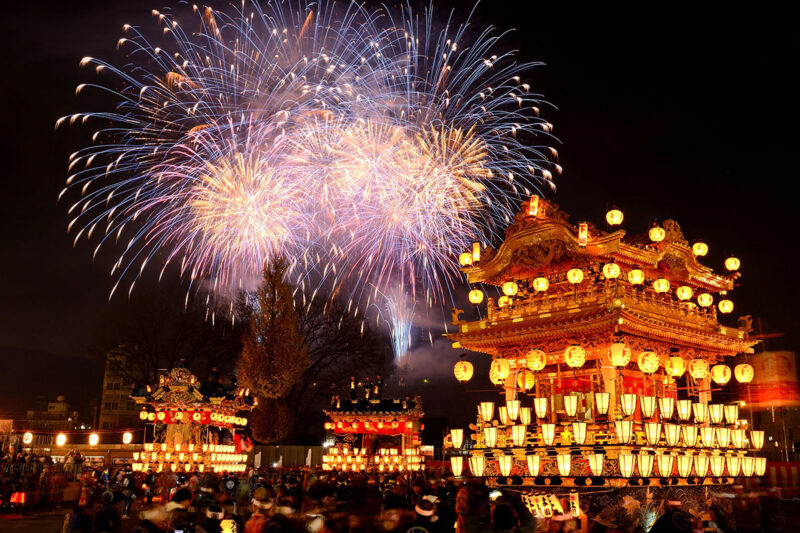
Chichibu Night Festival
Saitama Prefecture
Usually held on: December 2nd and 3rd
With a history of over 300 years, it is considered one of Japan’s top three float festivals and is registered as a UNESCO Intangible Cultural Heritage. It began as a celebration for Chichibu Shrine combined with a local silk market. The highlight is the powerful sight of massive, beautifully illuminated floats being pulled up a steep hill against a backdrop of rare winter fireworks.
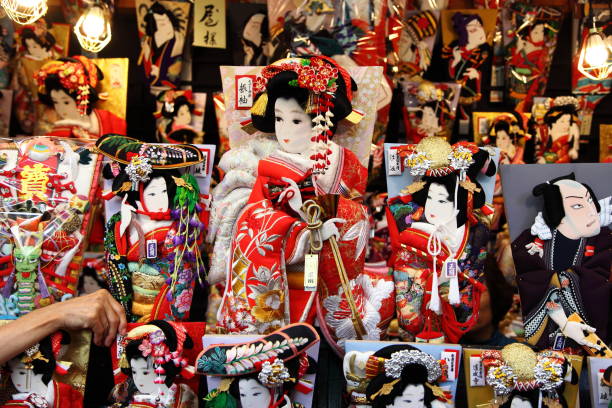
Asakusa Hagoita-ichi Fair
Tokyo
Usually held on: December 17th to 19th
Held at Senso-ji Temple since the Edo period, this traditional year-end market features dozens of stalls selling “Hagoita” (decorative wooden paddles). Originally used for a traditional New Year’s game, these paddles are now adorned with beautiful kabuki actors or trendy celebrities, serving as a popular lucky charm to ward off evil for the upcoming year.
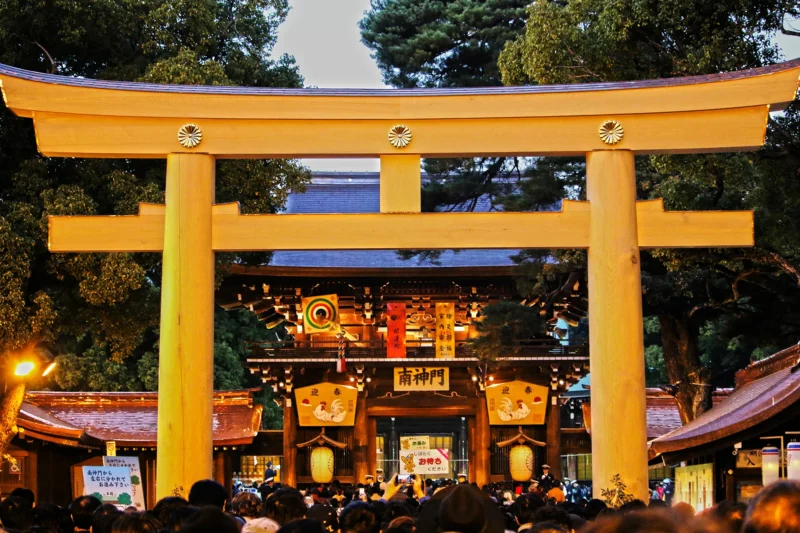
Hatsumode at Meiji Jingu Shrine
Tokyo
Usually held on: January 1st to 3rd
“Hatsumode” is the traditional Japanese custom of visiting a shrine or temple for the very first time in the New Year to pray for health, safety, and good fortune. Meiji Jingu Shrine, surrounded by a dense forest in the heart of Tokyo, attracts over three million visitors during the first three days of January, making it the most visited spot in Japan for this sacred winter tradition.
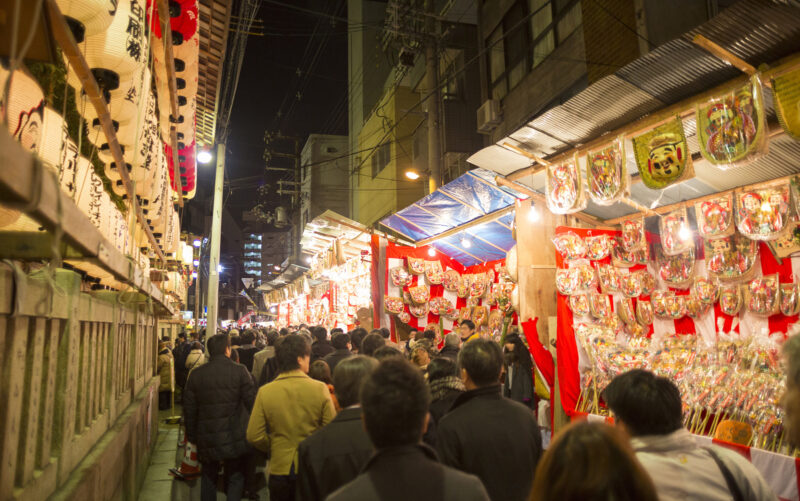
Toka Ebisu
Osaka
Usually held on: January 9th to 11th
This vibrant festival honors Ebisu, the god of commerce and fisheries, and is deeply rooted in Osaka’s merchant culture. Millions of visitors flock to the shrine to buy “Fukuzasa” (sacred bamboo branches) adorned with lucky charms. Smiling women called “Fukumusume” (Lucky Maidens) hand them out, spreading good fortune and chanting for the prosperity of businesses.
Wakakusa Yamayaki
Nara
Usually held on: The 4th Saturday of January
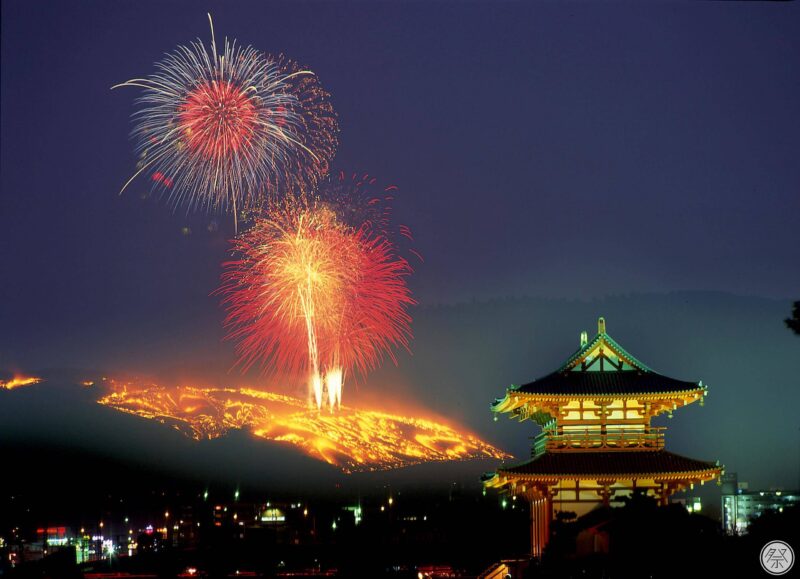
This dramatic winter event involves setting the entire grass-covered slope of Mount Wakakusa on fire. Its origins are said to date back to ancient boundary disputes between grand temples, or a ritual to appease restless spirits and ward off wild boars. The sight of the burning mountain glowing crimson against the freezing night sky, preceded by a spectacular winter fireworks display, is truly breathtaking.
Hatsumode at Fushimi Inari Taisha
Kyoto
Usually held on: January 1st to 3rd
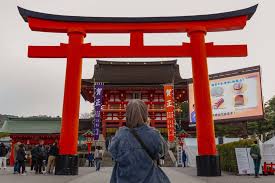
Hatsumode is the traditional Japanese custom of making the first shrine visit of the New Year. Fushimi Inari Taisha, the head shrine of Inari (the deity of rice and business success), attracts the largest number of worshippers in the Kansai region during the first three days of January. Worshippers pass through the iconic thousands of vermilion Torii gates to pray for safety, health, and a successful year ahead.
Events
Jigokudani Monkey Park
Nagano
Usually held on: December to March
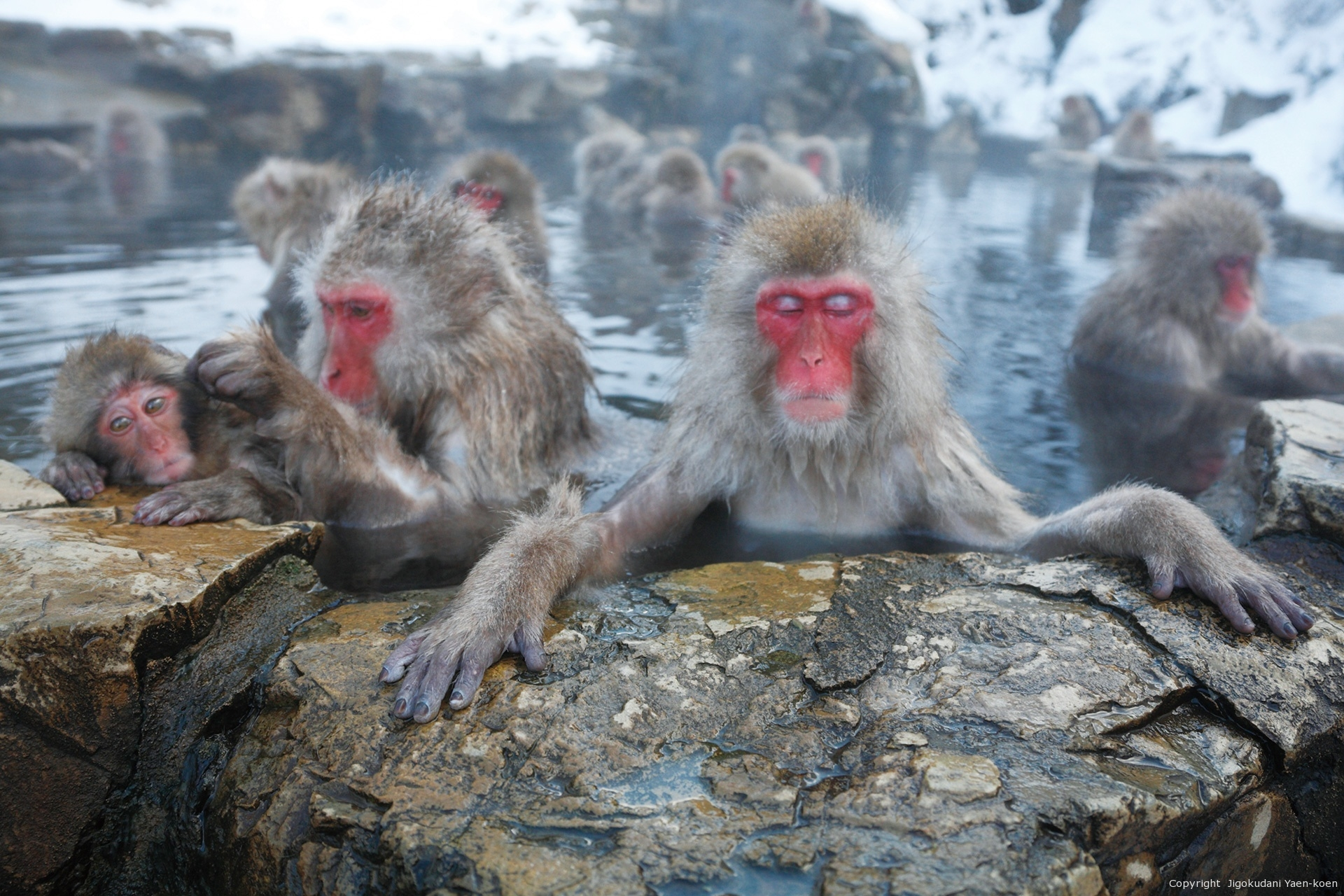
Established in 1964, it is the only place in the world where wild Japanese macaques, famously known as “Snow Monkeys,” bathe in natural hot springs to survive the freezing winters. Located in Nagano Prefecture, just outside the Kanto border, it offers a globally renowned and uniquely heartwarming winter spectacle that attracts visitors from all over the world.
Icicles of Misotsuchi
Saitama Prefecture
Usually held on: Early January to mid-February
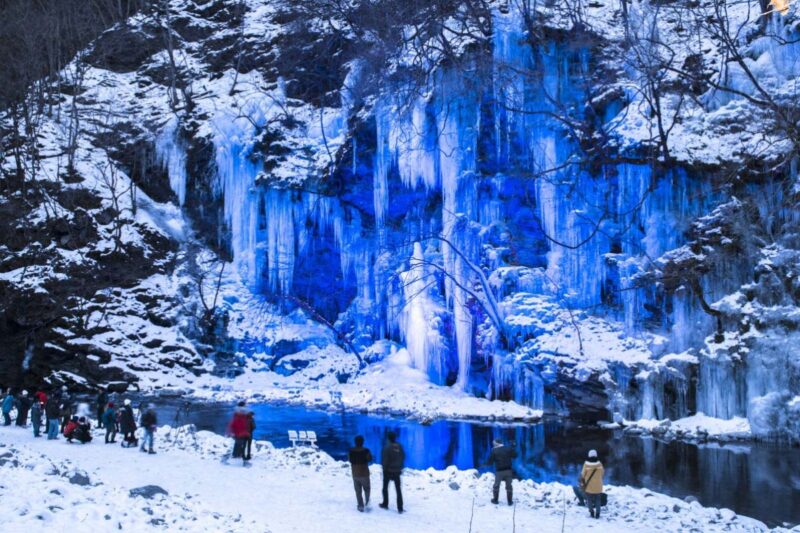
Located in the mountainous Chichibu region of Saitama, this stunning natural winter artwork is created by freezing subzero mountain spring water dripping down the cliffside. Measuring about 30 meters wide, these massive icicles are beautifully lit up with colorful lights during the weekend nights, transforming the freezing river valley into a magical, glowing frozen wonderland.
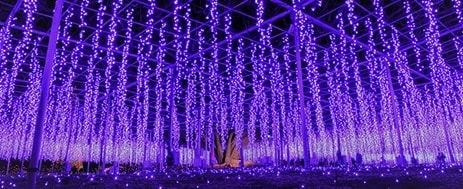
Ashikaga Flower Park “Garden of Illuminated Flowers”
Tochigi
Usually held on: Late October to mid-February
Officially recognized as one of Japan’s top three illumination events, this massive winter festival features over five million colorful LED lights covering the entire park. The absolute highlight is the breathtaking digital recreation of the park’s famous giant wisteria trees, mimicking cascading purple petals using lights, creating a brilliant, romantic fantasy world to warm up cold winter nights.
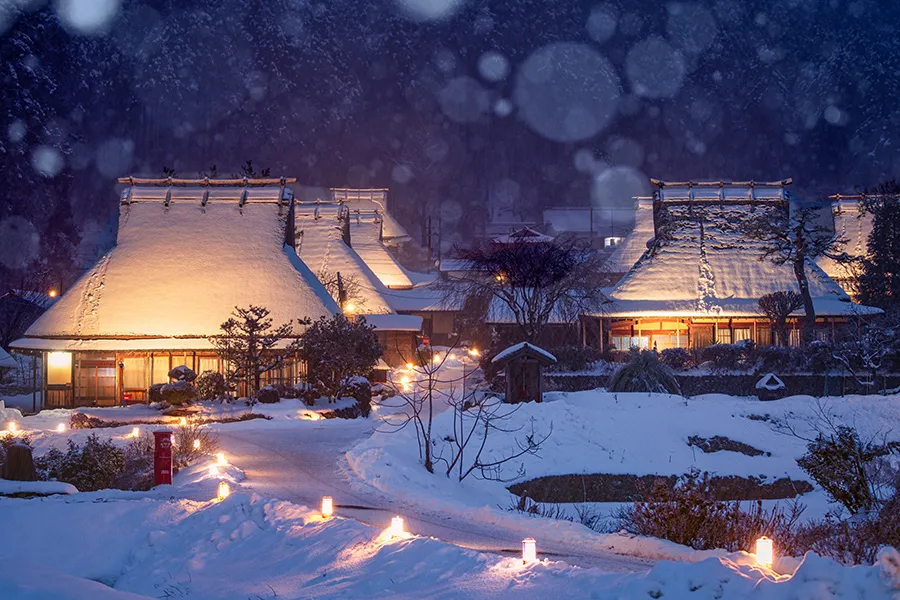
Miyama Kayabuki no Sato Snow Lantern Festival
Tochigi
Usually held on: Late January to early February
Miyama is a historic village famous for preserving traditional Japanese thatched-roof houses (kayabuki). During this winter event, the entire snow-covered village is beautifully lit by hundreds of handmade snow lanterns, bamboo lanterns, and LED lights. It creates a nostalgic, fairytale-like rural landscape that allows visitors to experience a peaceful, traditional Japanese winter night.
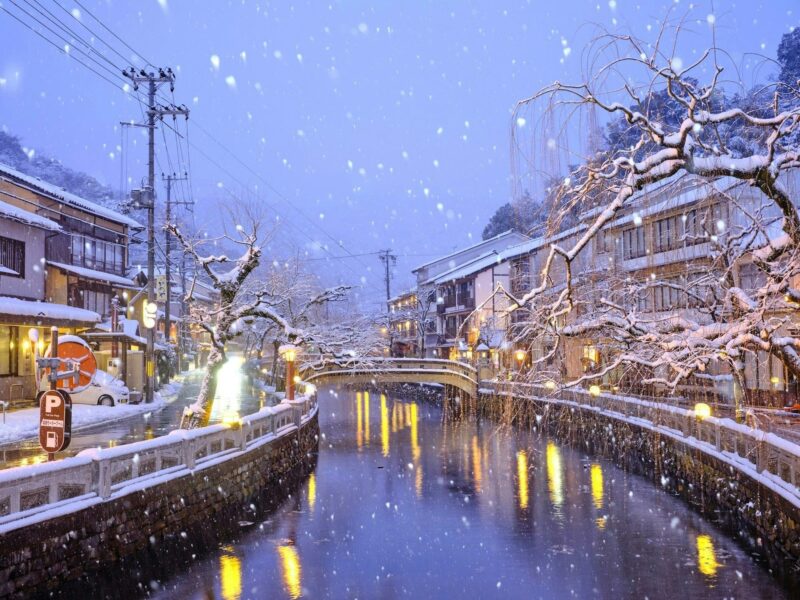
Kinosaki Onsen Winter Crabs & Hot Springs
Hyogo Prefecture
Usually held on: November to March
With a history spanning over 1,300 years, Kinosaki Onsen is a premier hot spring resort. Winter is its most magical season, coinciding with the fishing season for luxurious “Matsuba Crabs.” Visitors wearing traditional yukata and wooden clogs (geta) stroll through the snowy, willow-lined river town to hop between seven historic public bathhouses while savoring incredible winter seafood.
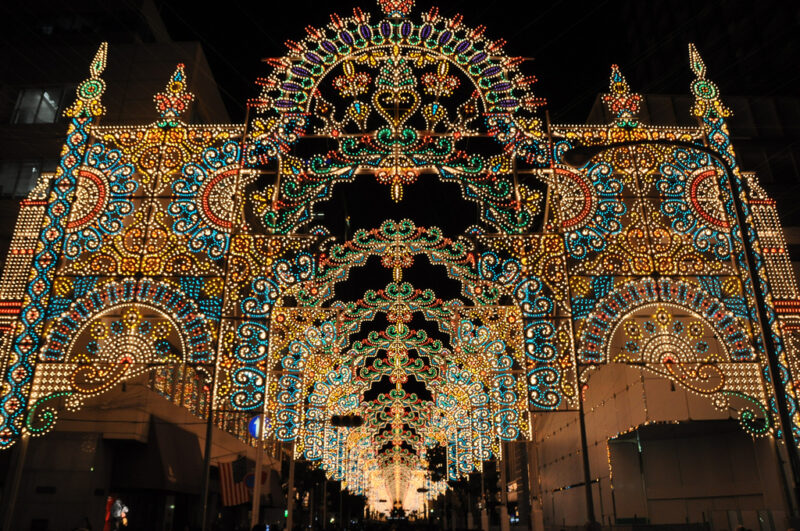
Kobe Luminarie
Hyogo Prefecture
Usually held on: January
Started in 1995, this world-renowned light festival was originally held to commemorate the victims of the Great Hanshin Earthquake and to bring hope for Kobe’s recovery. The breathtaking, geometric Italian light installations transform the city streets into a glowing corridor of hope, serving as a powerful and beautiful symbol of the city’s resilience and future.