
ATTRACTION BY AREA
Kinki
Kinki, or Kansai, is the cultural and spiritual heart of Japan, boasting ancient capitals like Kyoto and Nara. Filled with historic temples, shrines, and world heritage sites, it offers an unforgettable journey into traditional Japanese culture.
- Spiritual and Cultural Cradle of Japan
- Unrivaled Wealth of World Heritage Sites
- Vibrant and Diverse Gastronomy
- Dynamic Merchant Spirit and Friendly Charisma
- Sacred Mountains and Scenic Waterways
Must Visit Spots
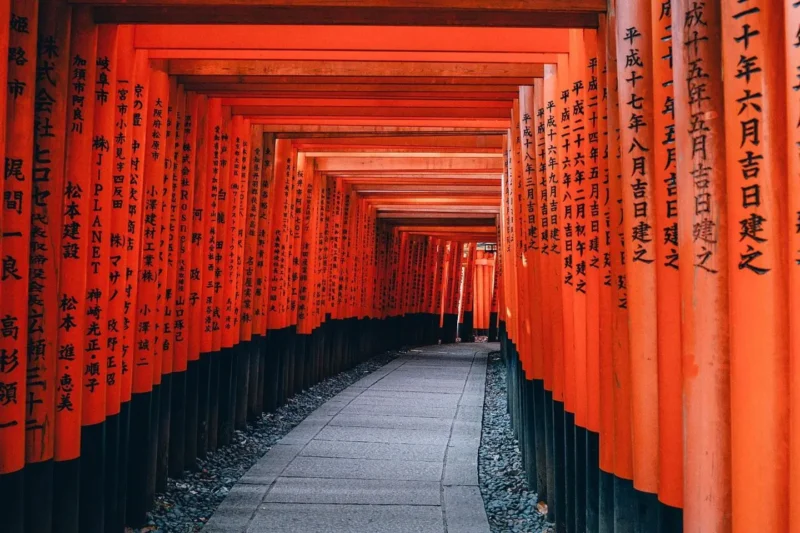
Fushimi Inari Taisha Shrine
Best Season: Year-round
Dedicated to the Shinto god of rice and business, this globally iconic shrine is famous for its “Senbon Torii”—a breathtaking path winding up the sacred mountain formed by thousands of vibrant, vermilion torii gates. Each gate has been donated by individuals or businesses expressing gratitude for their prosperity.
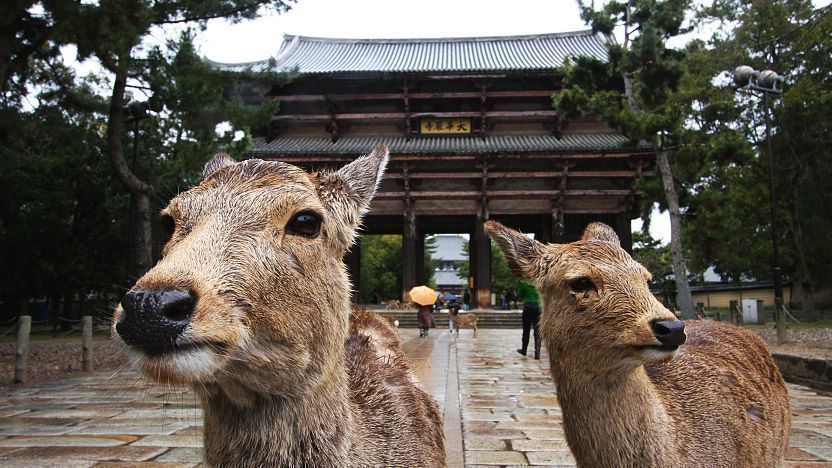
Todai-ji Temple & Nara Park
Best Season: Year-round
Nara Park is a vast public park famous for its hundreds of freely roaming bowing deer, protected for centuries as sacred divine messengers. Situated inside the park, Todai-ji Temple is a monumental landmark boasting the world’s largest wooden building, which houses Japan’s magnificent 15-meter-tall bronze Great Buddha.
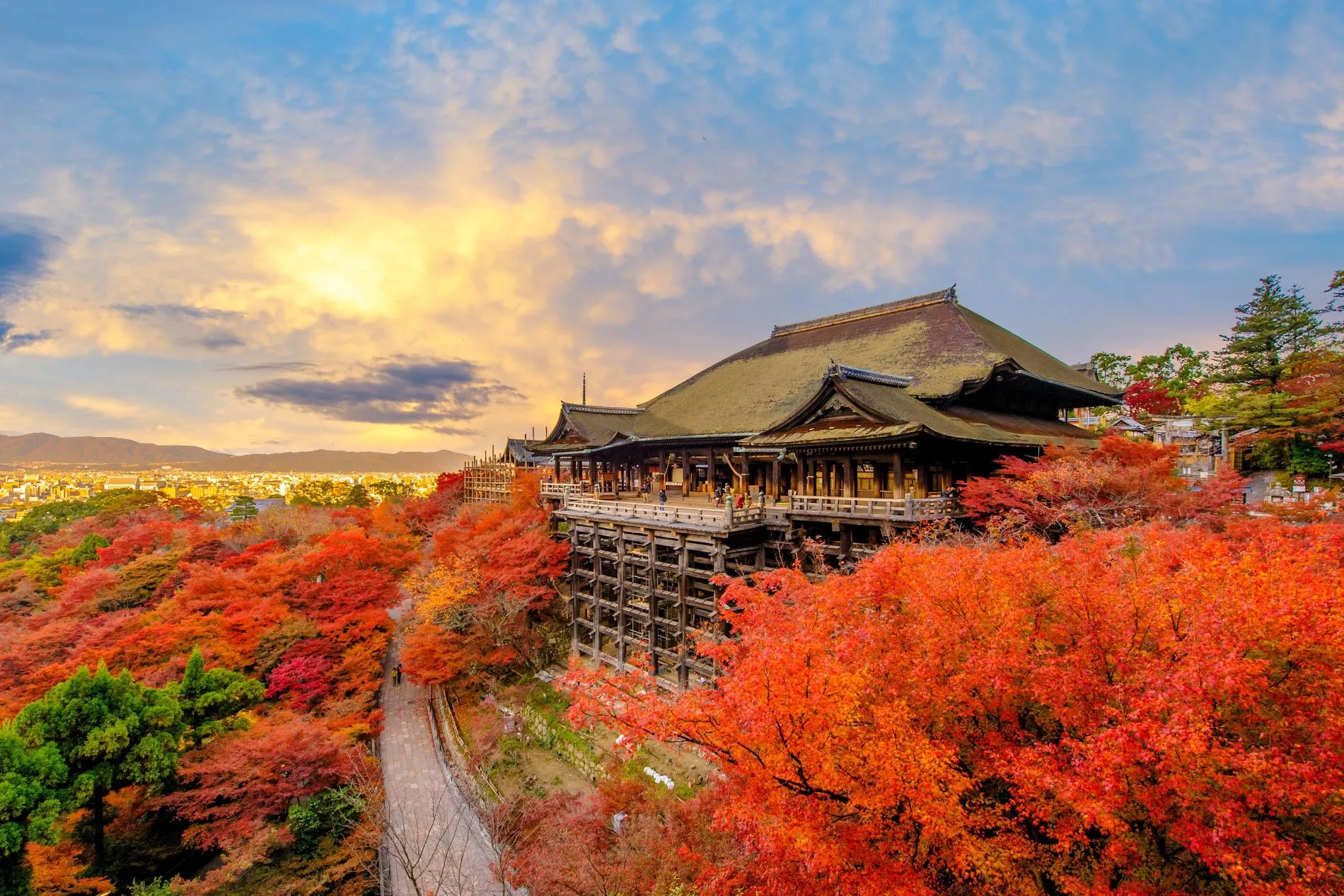
Kiyomizu-dera Temple
Best Season: Spring and Autumn
Founded in 778 and perched beautifully on the slopes of Mount Otowa, Kiyomizu-dera is celebrated for its historic main hall constructed entirely without a single nail. The iconic wooden stage juts out over the lush valley, offering visitors a timeless, sweeping panoramic view of Kyoto’s historic cityscape.
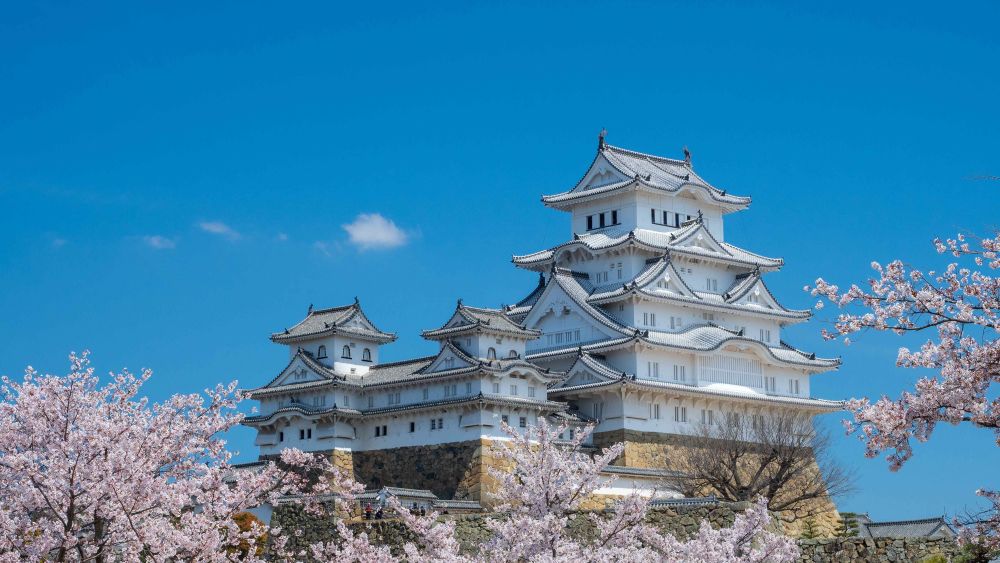
Himeji Castle
Best Season: Spring
Registered as Japan’s very first UNESCO World Heritage site, Himeji Castle is celebrated as the absolute pinnacle of traditional wooden samurai architecture. Nicknamed the “White Heron Castle” (Shirasagi-jo) because its brilliant white plaster walls resemble a bird taking flight, it has miraculously survived wars and fires perfectly intact for over 400 years.
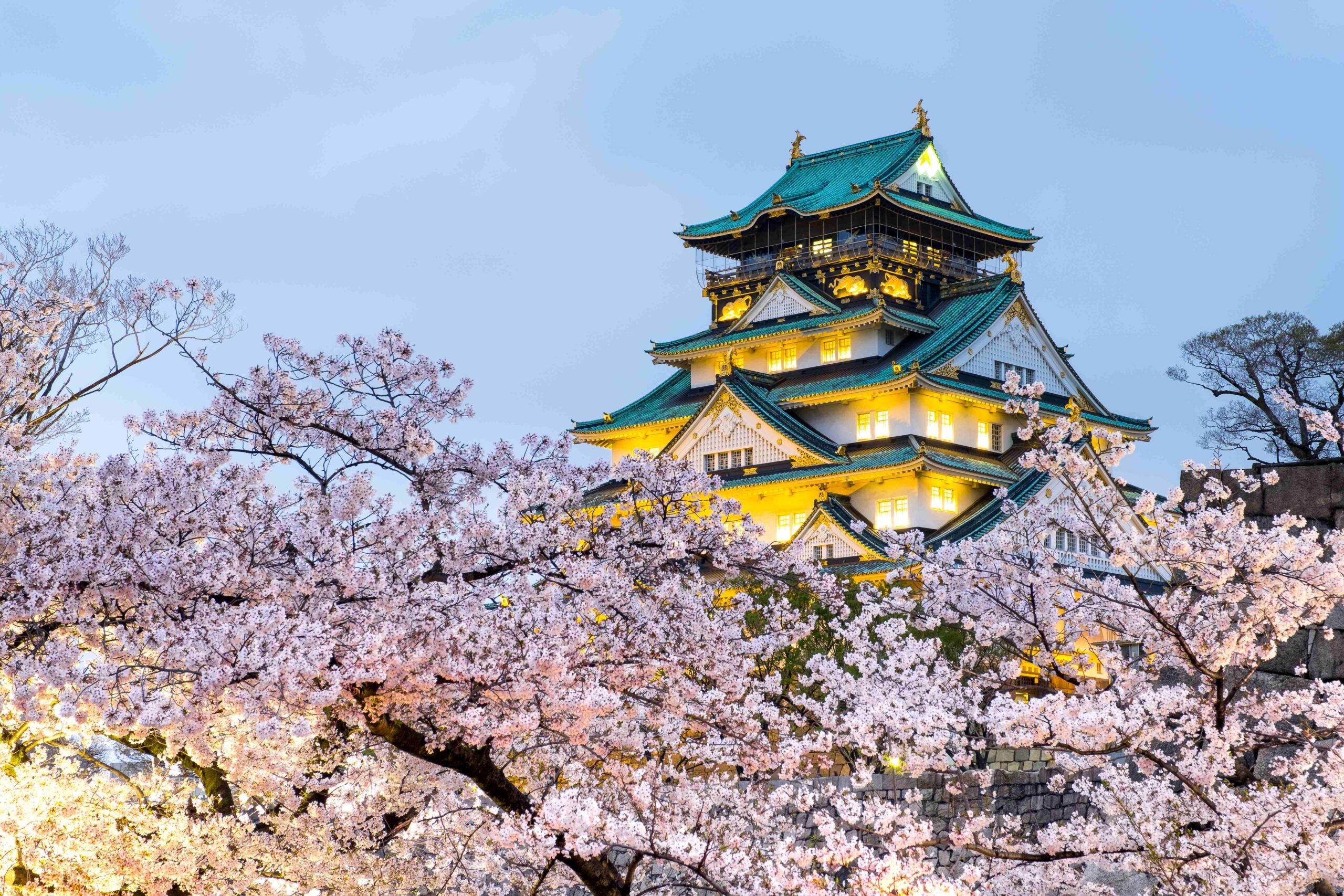
Osaka Castle
Best Season: Spring
Originally constructed in 1583 by Toyotomi Hideyoshi to symbolize a unified Japan, Osaka Castle is a grand historical fortress. Surrounded by a massive park, deep moats, and spectacular towering stone walls, the reconstructed main keep features a fascinating modern museum inside and an observation deck offering vistas of the metropolis.
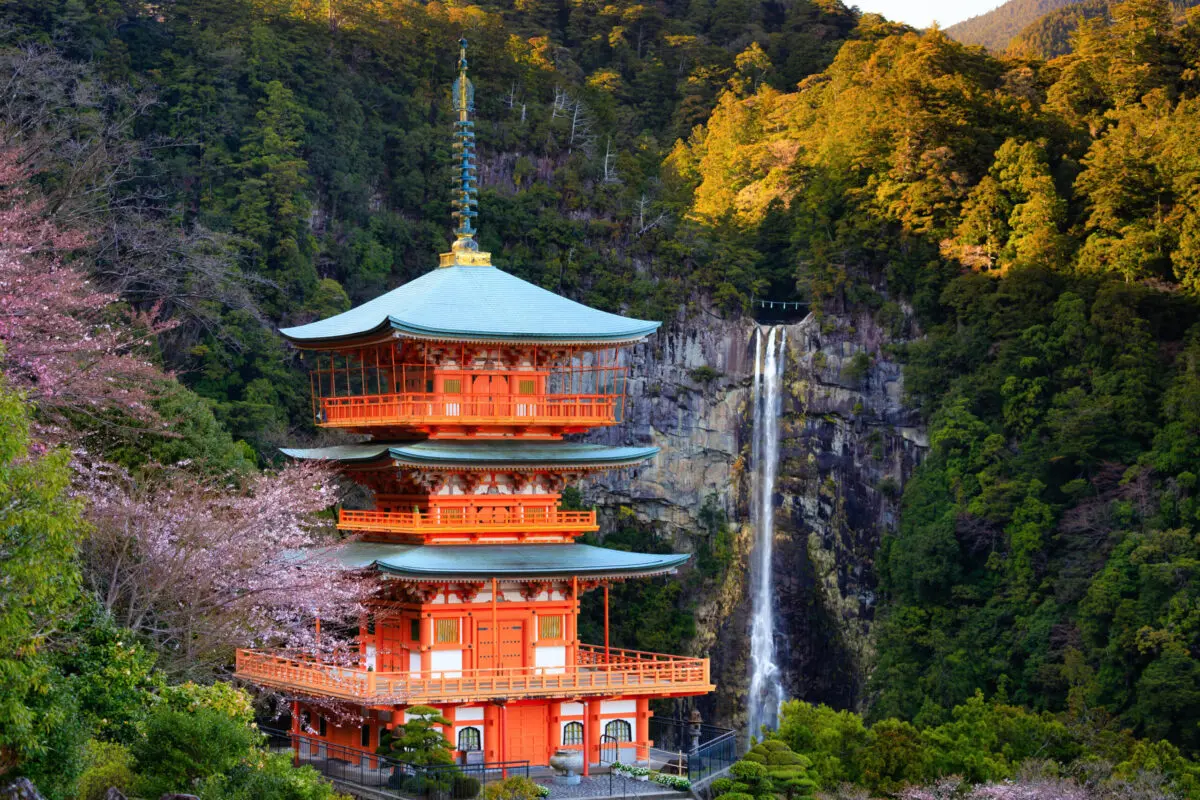
Koyasan
Best Season: Year-round
Founded in 816 by the legendary monk Kobo Daishi, Koyasan is a secluded, sacred mountaintop temple settlement serving as the headquarters of Shingon Buddhism. The highlights include the spiritual Okunoin cemetery, where over 200,000 monuments sit amidst ancient cedar trees, and the unique cultural experience of staying at a Shukubo (temple lodging).
Hidden Spots
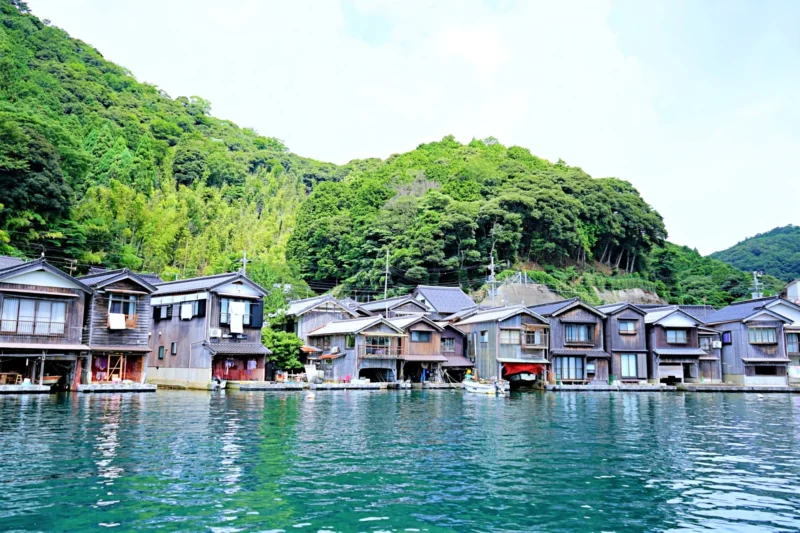
Ine Boat Houses
Best Season: Year-round
Located on the rugged Tango Peninsula in northern Kyoto, Ine is a uniquely preserved fishing village famous for its 230 “Funaya” (boat houses). These traditional wooden structures feature a boat garage on the ground floor and living quarters above, sitting directly on the water’s edge. The calm, protected bay makes the village look as if it is floating peacefully on the sea.
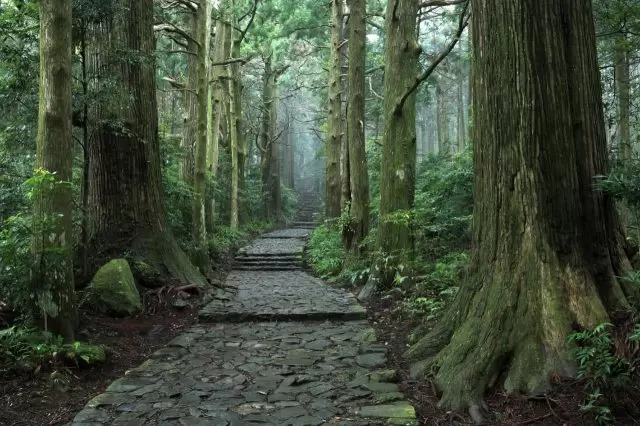
Daimon-zaka on the Kumano Kodo
Best Season: Year-round
Daimon-zaka is a magnificent, cobblestone staircase that serves as a premier approach to the sacred Kumano Nachi Taisha Shrine, part of the UNESCO-registered Kumano Kodo pilgrimage network. Stretching for 600 meters through a dense, primeval forest of towering Japanese cedar trees, it beautifully preserves the spiritual atmosphere of ancient Japan, walked by emperors and samurai for over a millennium.
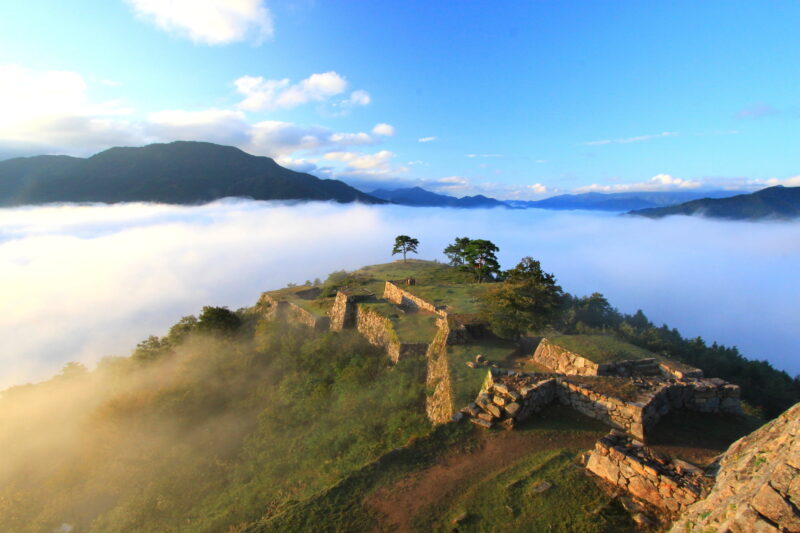
Takeda Castle Ruins
Best Season: Autumn
Perched 353 meters high on a mountain ridge in Hyogo, Takeda Castle was constructed in 1443 and abandoned after the samurai era. Today, only its massive, intricate stone foundations remain. During autumn mornings, a heavy blanket of river fog fills the valley, making the ancient ruins look as if they are floating atop a sea of clouds, earning it the nickname “Castle in the Sky.”
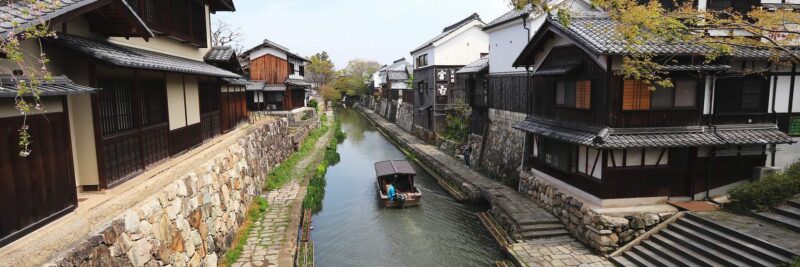
Omihachiman Canals
Best Season: Spring to Autumn
Developed in the late 16th century as a strategic canal system for a castle town near Lake Biwa, Omihachiman is the birthplace of the famous Omi Merchants. The quiet, reed-filled waterways are lined with historic white-walled wooden storehouses. Visitors can explore this peaceful landscape on traditional wooden hand-paddled boats, experiencing a slower, authentic side of old Japan.
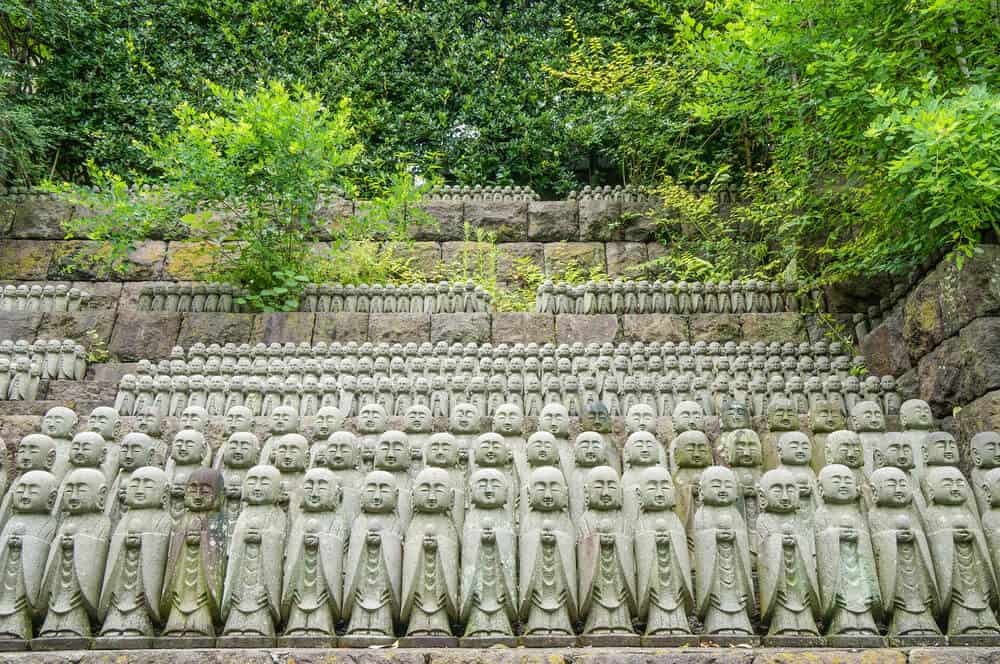
Hase-dera Temple
Best Season: Year-round
Founded in 686 amidst the sacred mountains of Sakurai in Nara, Hase-dera is the grand head temple of Shingon-shu Buzan Buddhism. It is affectionately nicknamed the “Temple of Flowers” due to its year-round botanical beauty. The iconic highlight is the “Noborirou”—a spectacular covered wooden staircase with 399 stone steps that climbs gracefully up the mountain slope to the main hall.
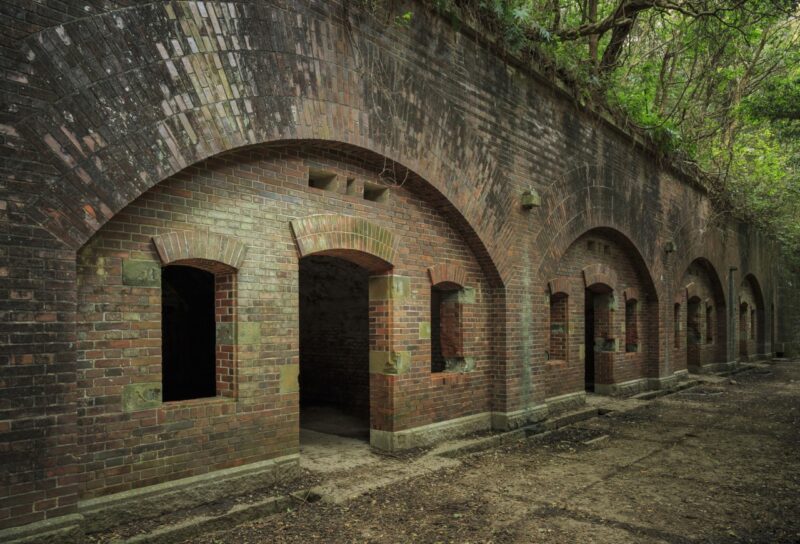
Tomogashima Islands
Best Season: May to October
Tomogashima is a cluster of four uninhabited islands in the Kitan Strait off the coast of Wakayama. During the Meiji period, the islands were heavily fortified by the military to protect Osaka Bay, featuring heavy artillery batteries and red-brick bunkers. Abandoned after World War II and reclaimed by thick moss and ivy, these mysterious ruins today hold a striking resemblance to surreal anime fantasy worlds.
Must Try Foods
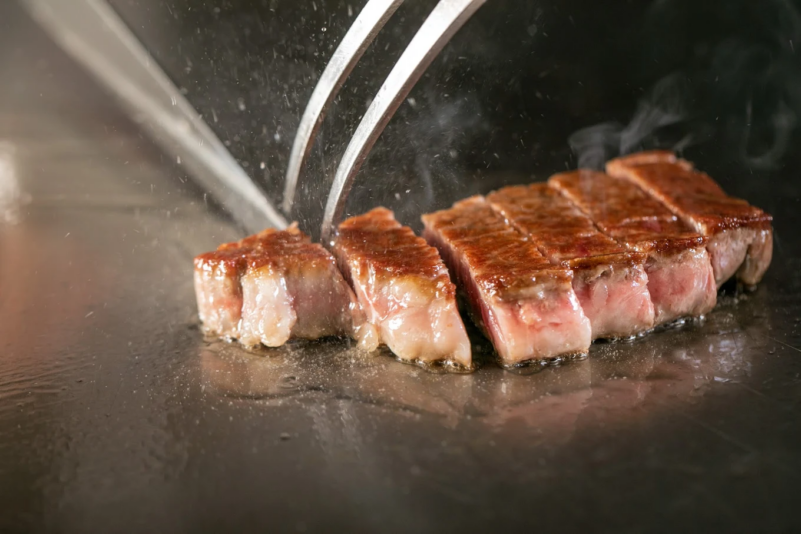
Kobe Beef Steak
As one of Japan’s top three wagyu brands, Kobe Beef comes from highly pedigreed Tajima cattle raised under strict standards in Hyogo Prefecture. It is globally legendary for its intense, fine marbling and a remarkably low melting point, which gives the meat an unbelievable, buttery “melt-in-your-mouth” texture when prepared by master chefs.
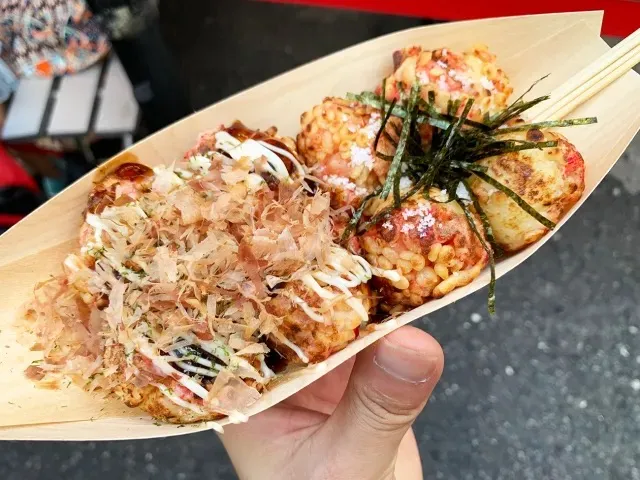
Osaka Takoyaki
Invented in Osaka in 1935, Takoyaki is the ultimate icon of Kansai’s popular “Konamon” (flour-based) street food culture. These ball-shaped snacks are made of a savory wheat flour batter filled with minced octopus, cooked in a special molded pan. They are served piping hot, drizzled with sweet brown sauce, Japanese mayonnaise, seaweed, and dancing bonito flakes.
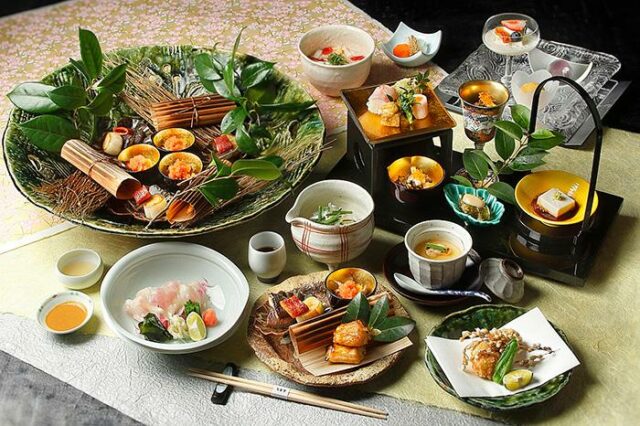
Kyoto Kaiseki Ryori
Originating centuries ago alongside the traditional Japanese tea ceremony, Kaiseki Ryori is the absolute pinnacle of Japanese fine dining. This meticulous, multi-course meal emphasizes seasonal harmony, local ingredients, and refined flavors. Every dish is a literal work of art, served on exquisite heritage tableware to celebrate the natural beauty of the current month.
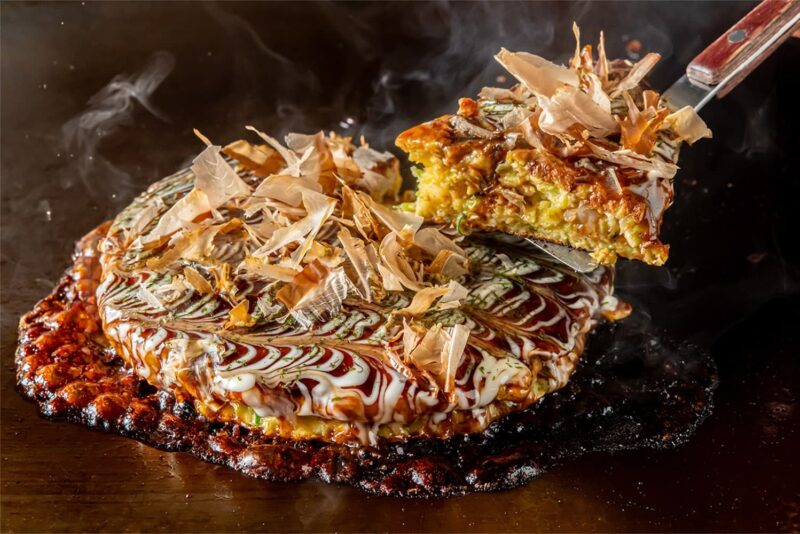
Osaka Okonomiyaki
Often described as a Japanese savory pancake, Okonomiyaki literally translates to “grilled as you like it.” It features a hearty batter of shredded cabbage, mountain yam, and dashi, mixed with personal choices of ingredients like pork belly, squid, or cheese. Cooked on a flat iron griddle (teppan), it offers a highly comforting and social dining experience.
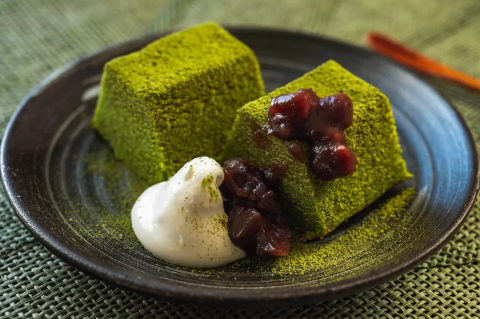
Uji Matcha Desserts
Uji, located just south of Kyoto City, is universally celebrated as the birthplace of premium Japanese green tea. While its vibrant powdered matcha is central to ancient ceremonies, modern Kyoto has masterfully transformed it into decadent desserts. International travelers love indulging in rich matcha parfaits, velvety soft-serve ice cream, and bittersweet lattes.
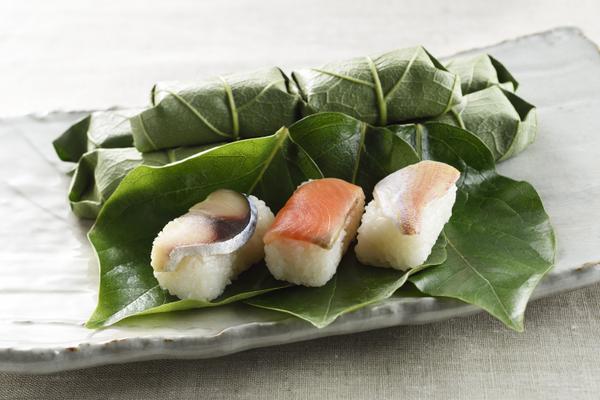
Kaki no Ha Zushi
A brilliant historical preservation technique originating in the landlocked mountains of Nara during the Edo period. Bite-sized pieces of vinegared rice topped with cured mackerel or salmon are wrapped tightly in shiny persimmon (kaki) leaves. The natural tannins in the leaves provide antibacterial properties while infusing the sushi with a delightful, subtle earthy fragrance.