
ATTRACTION BY AREA
Kanto
Kanto is a dynamic region where modern cities seamlessly blend with ancient cultural traditions and scenic natural beauty. Home to Tokyo, it offers everything from bright skyscrapers to peaceful historic temples and relaxing hot spring resorts.
- Modern City
- Modern Technology
- Historical Sites
- Urban Natures
- The Best Soul Food
Must Visit Spots
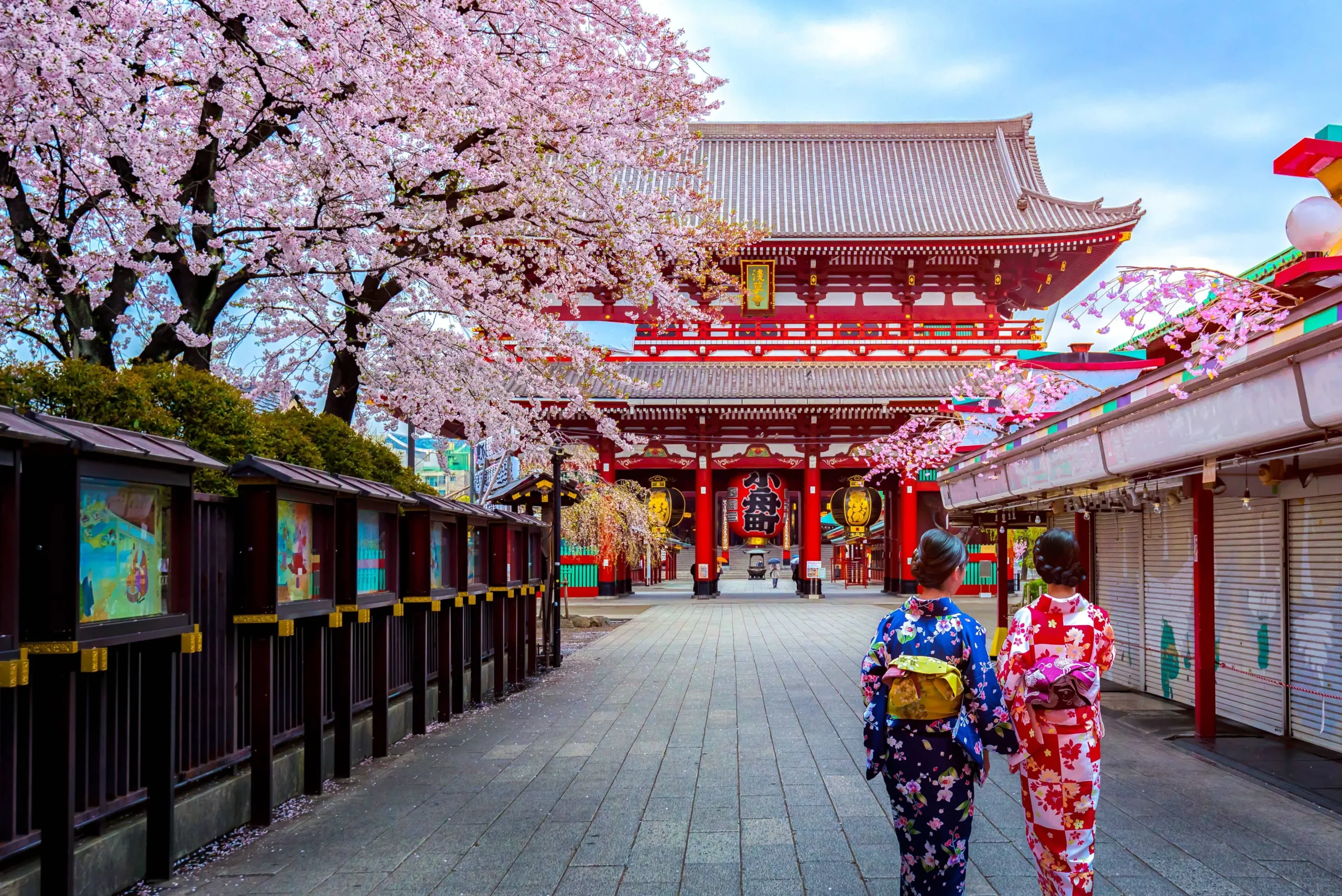
Senso-ji Temple & Asakusa
Best Season: Year-round
Founded in 628, Senso-ji is Tokyo’s oldest and most iconic Buddhist temple. Visitors enter through the massive Kaminarimon (Thunder Gate) with its giant red lantern, leading to the bustling Nakamise shopping street. It beautifully preserves the vibrant, nostalgic atmosphere of Edo-period Tokyo.
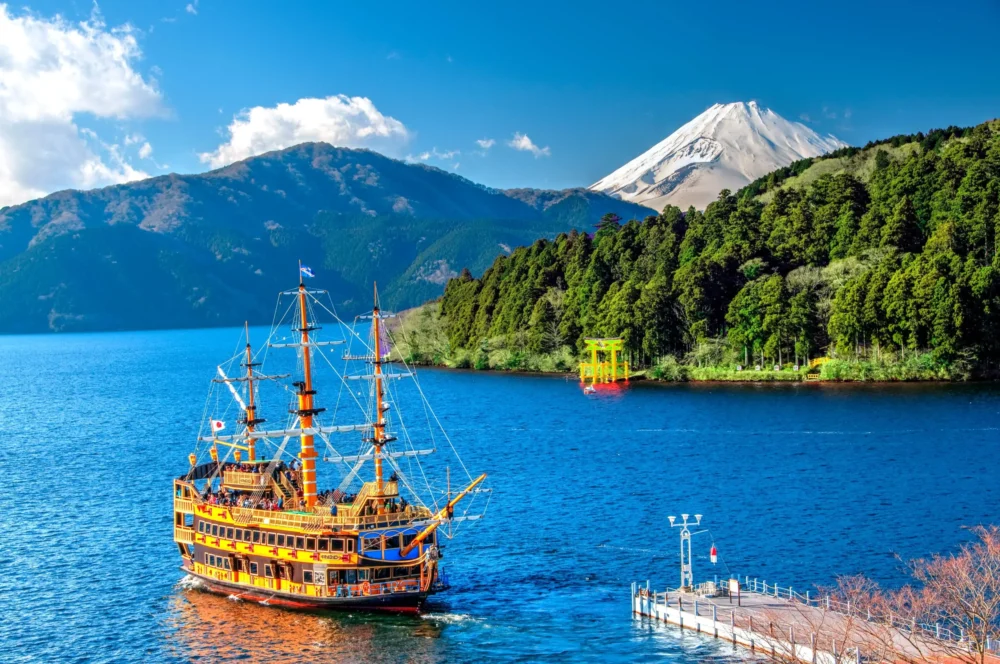
Hakone Hot Springs & Lake Ashi
Best Season: Year-round
Hakone is a world-famous hot spring resort area located within a volcanic crater just a short train ride from Tokyo. It is celebrated for its relaxing onsen ryokan, panoramic views of Mount Fuji across Lake Ashi, and sightseeing pirate cruises.
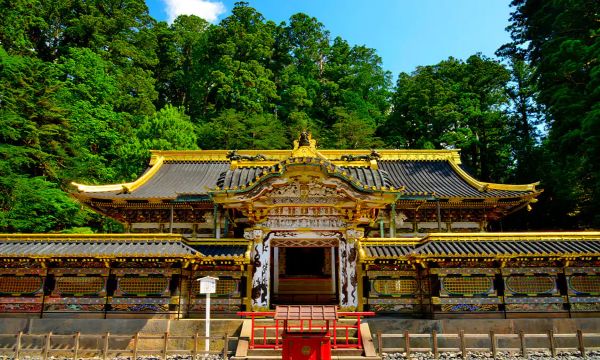
Historic Monuments of Nikko
Best Season: Autumn
A UNESCO World Heritage site, Nikko Toshogu is the final resting place of Tokugawa Ieyasu, the founder of the Tokugawa Shogunate. Unlike minimalist Japanese temples, this lavish complex features over 50 structures adorned with intricate gold leaf carvings, including the famous “Three Wise Monkeys.”
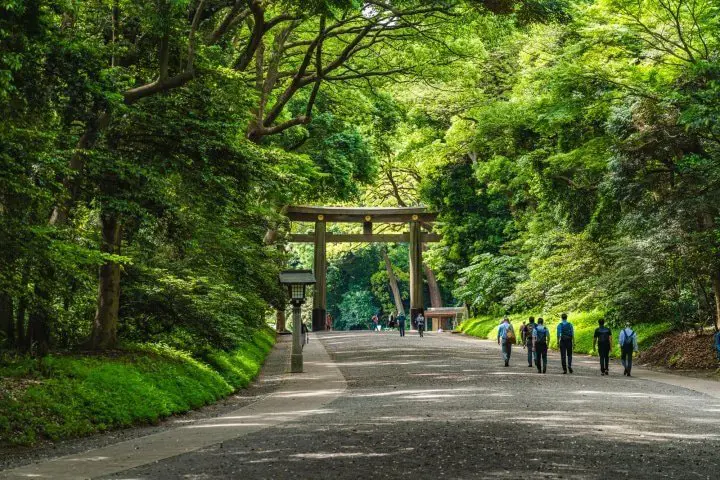
Meiji Jingu Shrine & Harajuku
Best Season: Year-round
Dedicated to the deified spirits of Emperor Meiji and Empress Shoken, this shrine is located inside a massive, man-made forest of 100,000 trees in central Tokyo. It borders Harajuku, creating a fascinating contrast between sacred, peaceful tradition and cutting-edge youth pop culture.
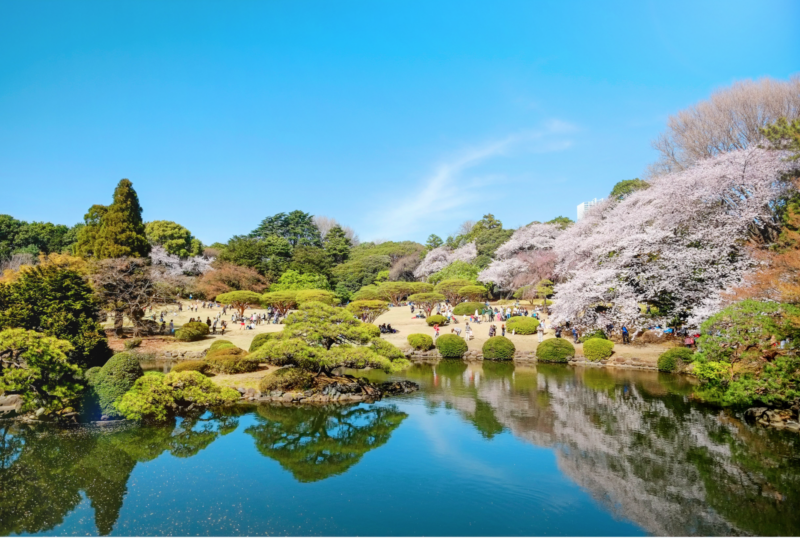
Shinjuku Gyoen National Garden
Best Season: Spring and Autumn
Originally a feudal lord’s residence, this expansive 144-acre oasis seamlessly blends three distinct garden styles: traditional Japanese, formal French, and landscape English. Surrounded by Shinjuku’s towering skyscrapers, it serves as a peaceful retreat famous for its stunning spring cherry blossoms.
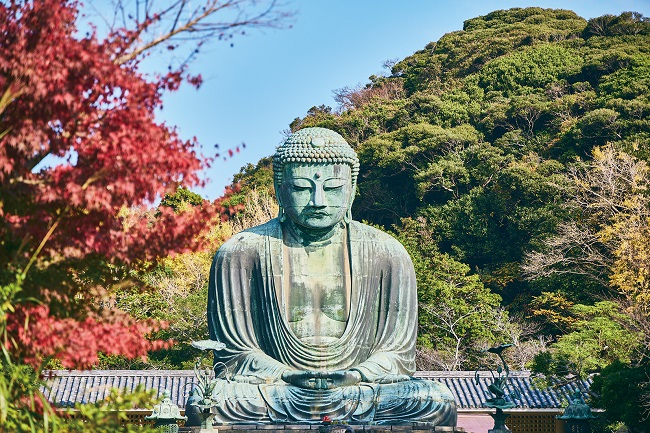
Great Buddha & Historic Kamakura
Best Season: Year-round
Serving as the political capital of Japan during the Kamakura shogunate (1185–1333), Kamakura is a coastal town packed with historic temples and shrines. Its primary icon is the Kotoku-in temple’s Great Buddha, a monumental 11-meter-tall bronze statue that has stood entirely in the open air since 1498.
Hidden Spots
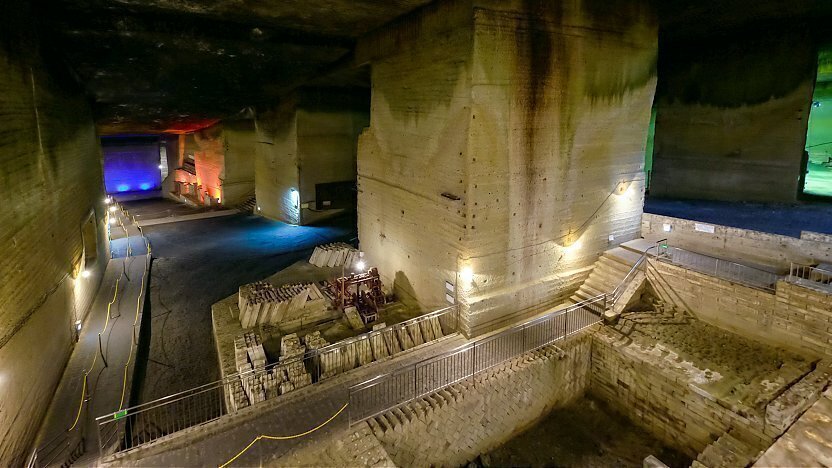
Oya History Museum
Best Season: Year-round
A massive underground former stone quarry located near Utsunomiya. Covering over 20,000 square meters, this spectacular subterranean space looks like ancient Roman ruins or an Egyptian temple. Softly illuminated, it has a highly cinematic atmosphere and is frequently used for filming movies and music videos.
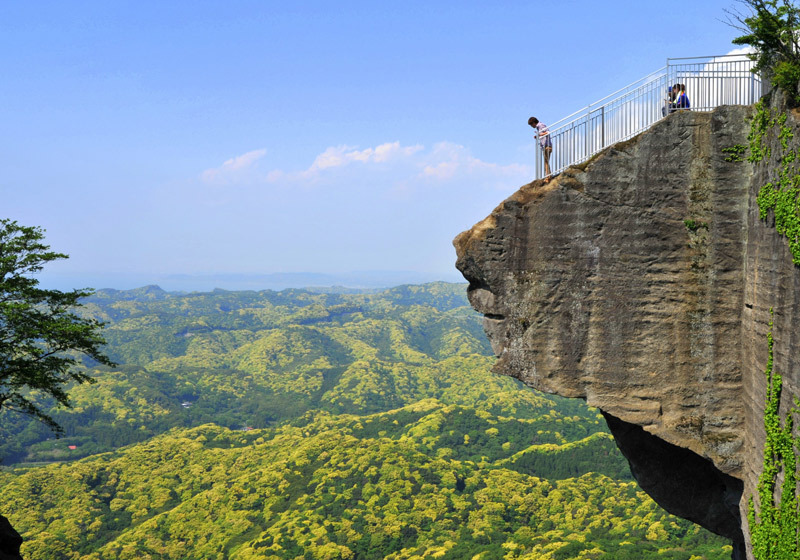
Mount Nokogiri
Best Season: Spring and Autumn
Meaning “Saw Mountain,” this jagged peak in Chiba offers a thrilling cliffside viewpoint famously known as “Jigoku Nozoki” (Hell’s Peek). The mountain is also home to Nihon-ji, an ancient temple complex spread across the slopes, featuring Japan’s largest pre-modern stone Buddha carved directly into the cliff.
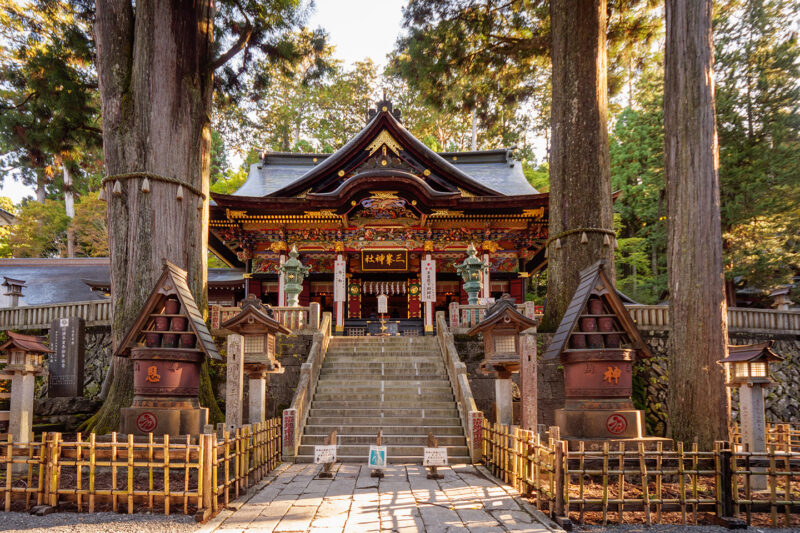
Mitsumine Shrine
Best Season: Year-round
Perched high in the remote Chichibu mountains, this deeply spiritual shrine is considered one of Kanto’s strongest “power spots.” Unlike typical shrines guarded by lion-dogs, Mitsumine is protected by statues of rare Japanese wolves. The ornate, colorful wood carvings and mountain mist create a profoundly mystical atmosphere.
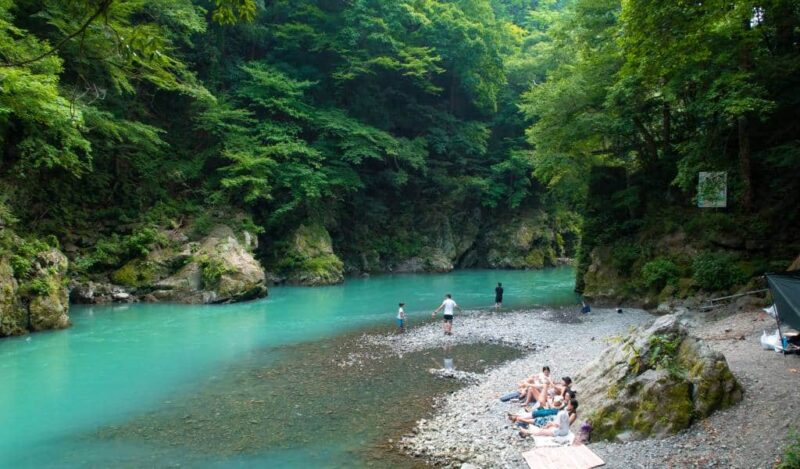
Okutama
Best Season: May to November
Hard to believe it is technically within Tokyo, this vast nature reserve on the city’s western edge offers pristine emerald rivers, scenic suspension bridges, and dense forests. It is the perfect hidden escape for hiking, discovering limestone caves, and enjoying untouched nature without leaving the metropolis.
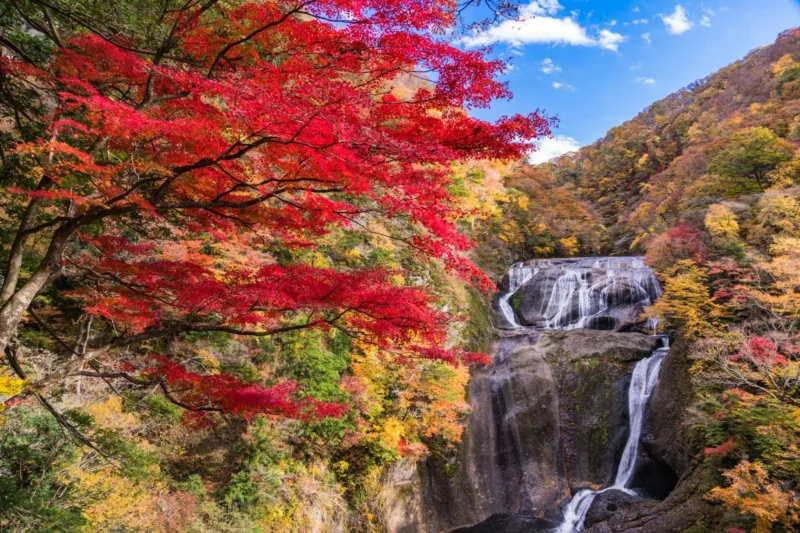
Fukuroda Falls
Best Season: Autumn and Winter
Ranked among Japan’s top three most beautiful waterfalls, it features powerful water cascading down four giant rock tiers. Located deep in the mountains of Ibaraki, it dramatically transforms with the seasons—from lush green in summer to a breathtaking, completely frozen ice sculpture during the harsh winter.
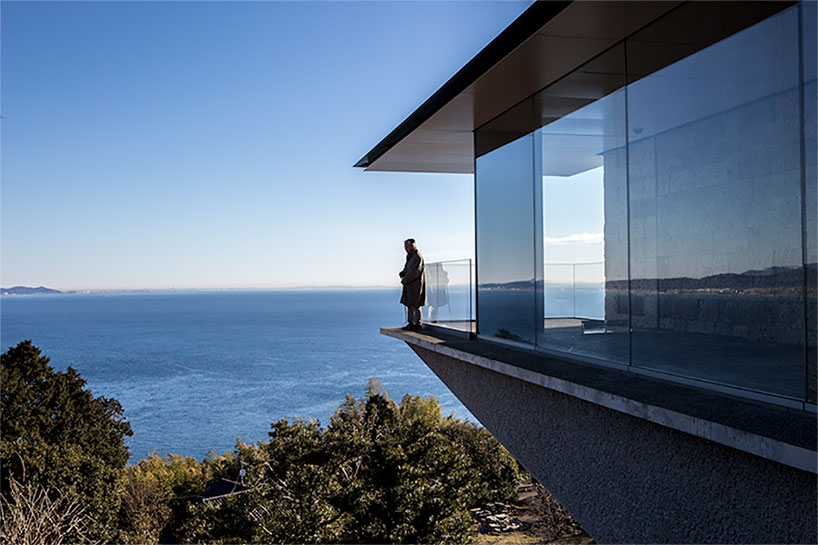
Enoura Observatory
Best Season: Year-round
Designed by the internationally acclaimed contemporary artist Hiroshi Sugimoto, this stunning architectural masterpiece is situated on a citrus hill in Odawara overlooking the ocean. Blending modern art, traditional Japanese building techniques, and optical illusions aligned with the sun’s movements, it offers an exclusive, deeply philosophical landscape experience.
Must Try Foods
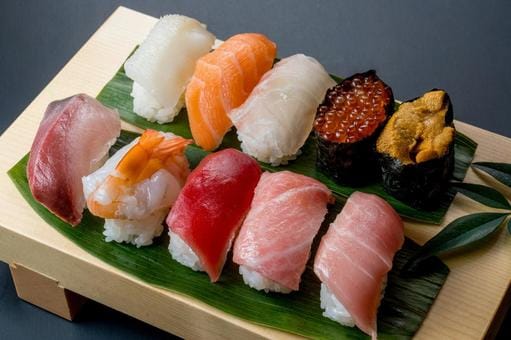
Edomae Sushi
Developed during the Edo period as a quick, street-food-style meal for busy locals, Edomae Sushi originally utilized fresh seafood caught directly in “Edo-mae” (Tokyo Bay). To preserve the fish before refrigeration existed, chefs used innovative techniques like marinating in soy sauce, curing with salt or vinegar, and simmering, creating the sophisticated style seen globally today.
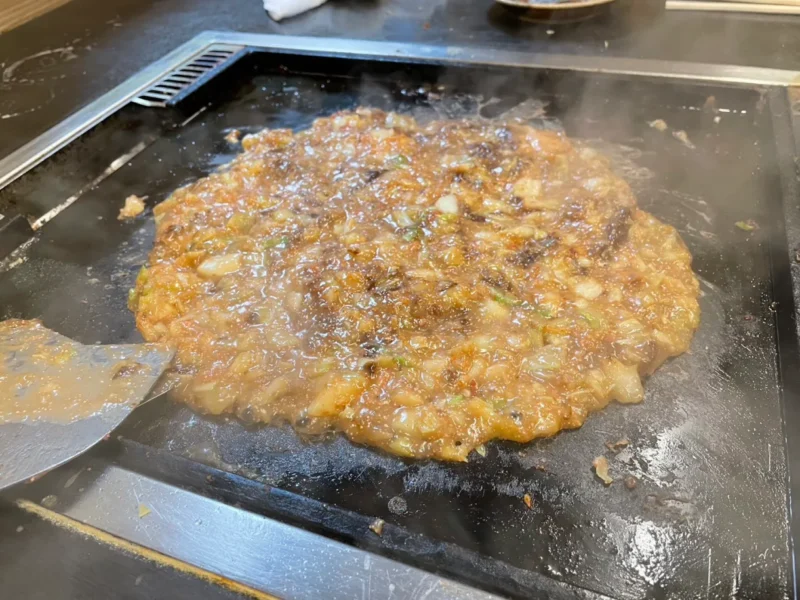
Monjayaki
Originating in the Tsukishima district of Tokyo during the post-war era, Monjayaki began as a cheap snack for children at neighborhood candy stores. Made from a watery flour batter mixed with various ingredients like cabbage, seafood, and cheese, it is cooked on a flat iron griddle. It is eaten using a tiny spatula, making it a highly social and fun dining experience.
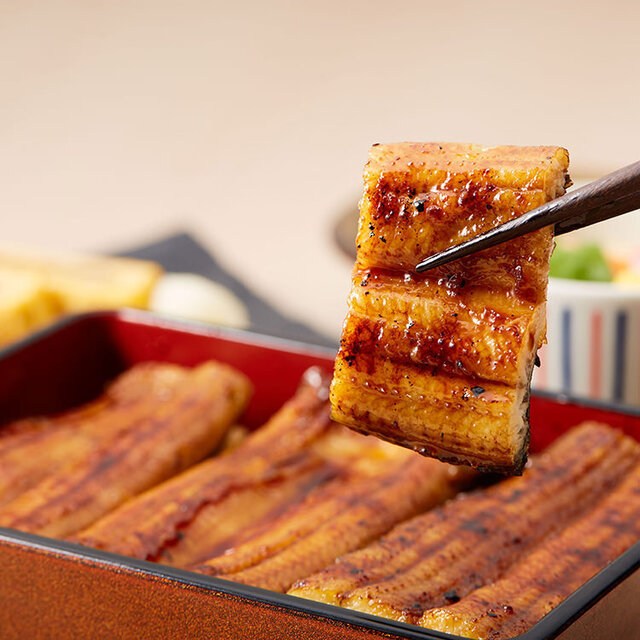
Edomae Unagi
Eel has been eaten in Japan for centuries, but the “Edomae” style perfected in Kanto involves a unique preparation method. Unlike the Kansai style which is only grilled, Kanto chefs slice the eel from the back, grill it, steam it to make it incredibly tender, and then grill it again with a sweet soy sauce glaze, resulting in a melt-in-your-mouth texture.
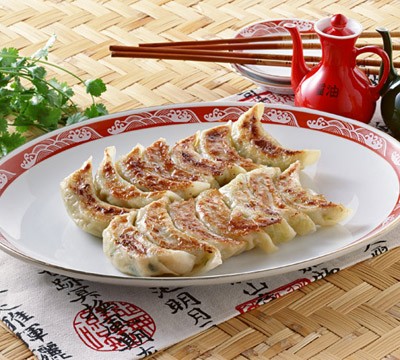
Utsunomiya Gyoza
Utsunomiya in Tochigi Prefecture is famously recognized as Japan’s gyoza capital. The culture began after World War II when soldiers returning from China introduced the recipe. Utsunomiya gyoza is unique because it focuses heavily on local vegetables like chives and cabbage rather than garlic and meat, making them light, healthy, and incredibly addictive.
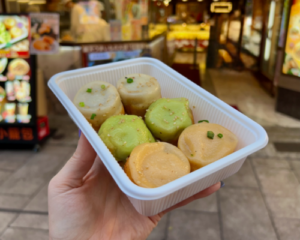
Yokohama Chinatown Street Food
Established after the opening of Yokohama Port in 1859, Yokohama Chinatown is the largest Chinatown in Japan and East Asia. It has developed a unique “Japanized” Chinese culinary culture. Visitors love walking through the vibrant streets while eating famous street foods, especially giant steamed pork buns (nikuman), juicy pan-fried dumplings, and sweet roasted chestnuts.
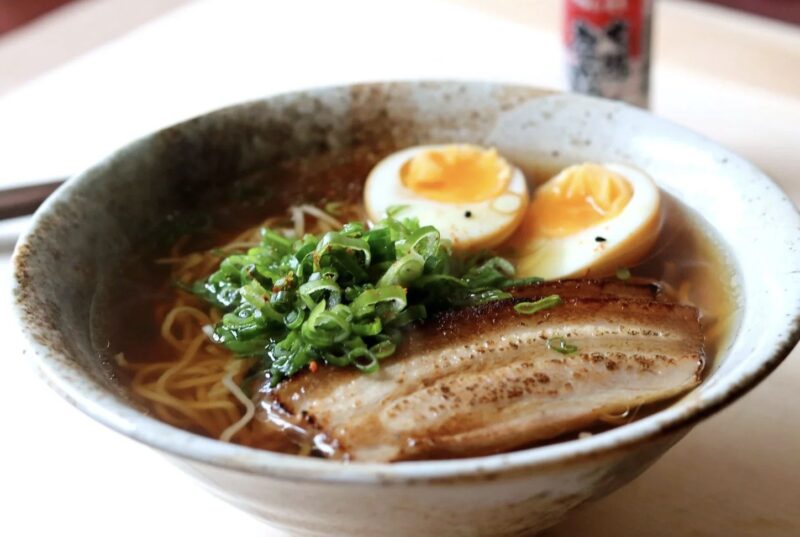
Tokyo Shoyu Ramen
As the historical blueprint for modern Japanese ramen, Tokyo Shoyu Ramen features a clear broth made from a combination of pork, chicken bones, and dashi (濃縮魚介出汁), seasoned with a classic soy sauce tare. Originating in Asakusa in 1910, its light yet deeply comforting flavor profile remains the nostalgic soul food of the metropolis.