
JAPAN
World Heritage Sites
by Caravan World Inc.
Japan is home to stunning World Heritage sites, blending deep history, rich culture, and beautiful nature. We help you experience these iconic places exactly the way you want. From luxury VIP experiences to fun, budget-friendly trips using local trains, we welcome you with true omotenashi and design the perfect journey.
- 26 Incredible Sites
- Rich Cultural History
- Breathtaking Nature
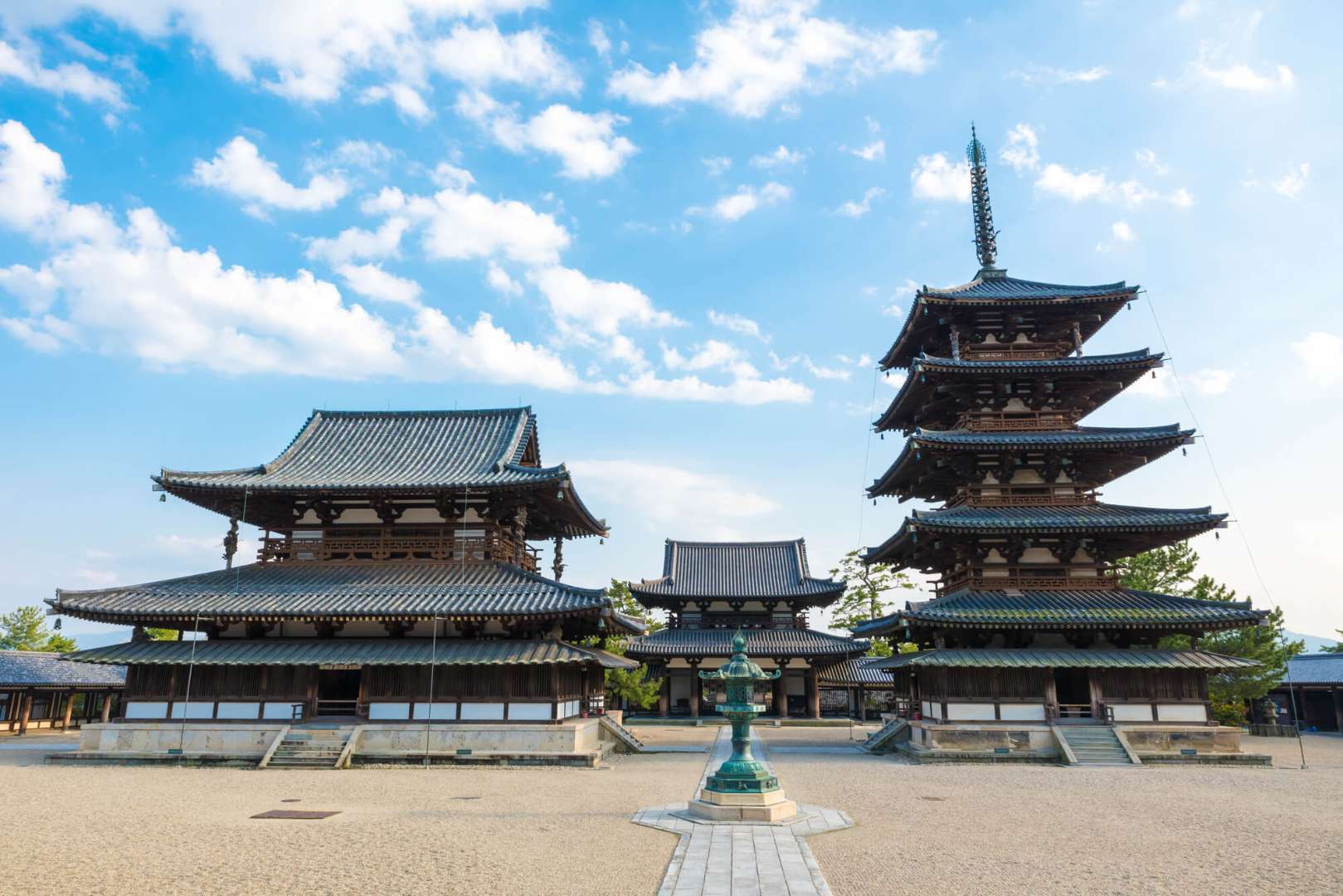
Buddhist Monuments in the Hōryū‑ji Area
Year of Inscription: 1993
Location: Nara
A collection of 48 ancient Buddhist structures including Hōryū‑ji, some of the oldest wooden buildings in the world.
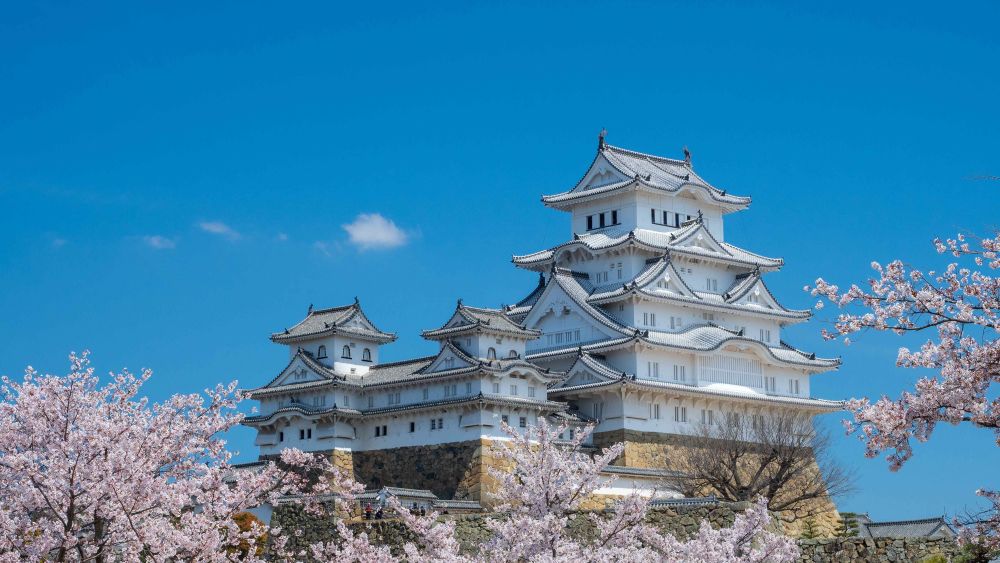
Himeji Castle
Year of Inscription: 1993
Location: Himeji, Hyōgo
Known as “White Heron Castle”, a stunning example of original Japanese castle architecture, remarkably preserved from the 17th century.
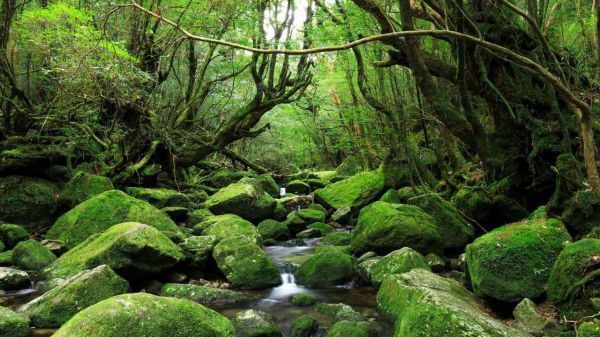
Yakushima
Year of Inscription: 1993
Location: Kagoshima Prefecture
An island known for its ancient cedar forests, some trees being over 1,000 years old. A biodiversity hotspot with rich flora and fauna.
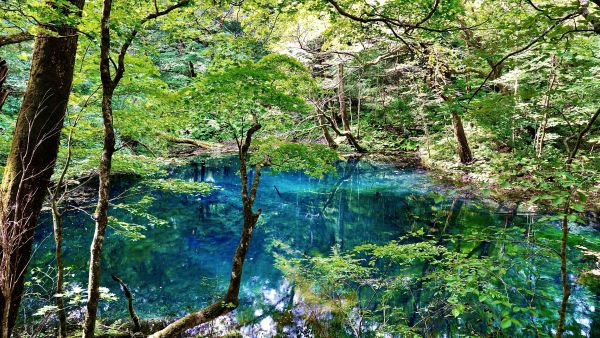
Shirakami-Sanchi
Year of Inscription: 1993
Location: Aomori & Akita Prefectures
A mountainous region with one of the last virgin beech forests in East Asia, home to many rare animal species and pristine ecosystems.
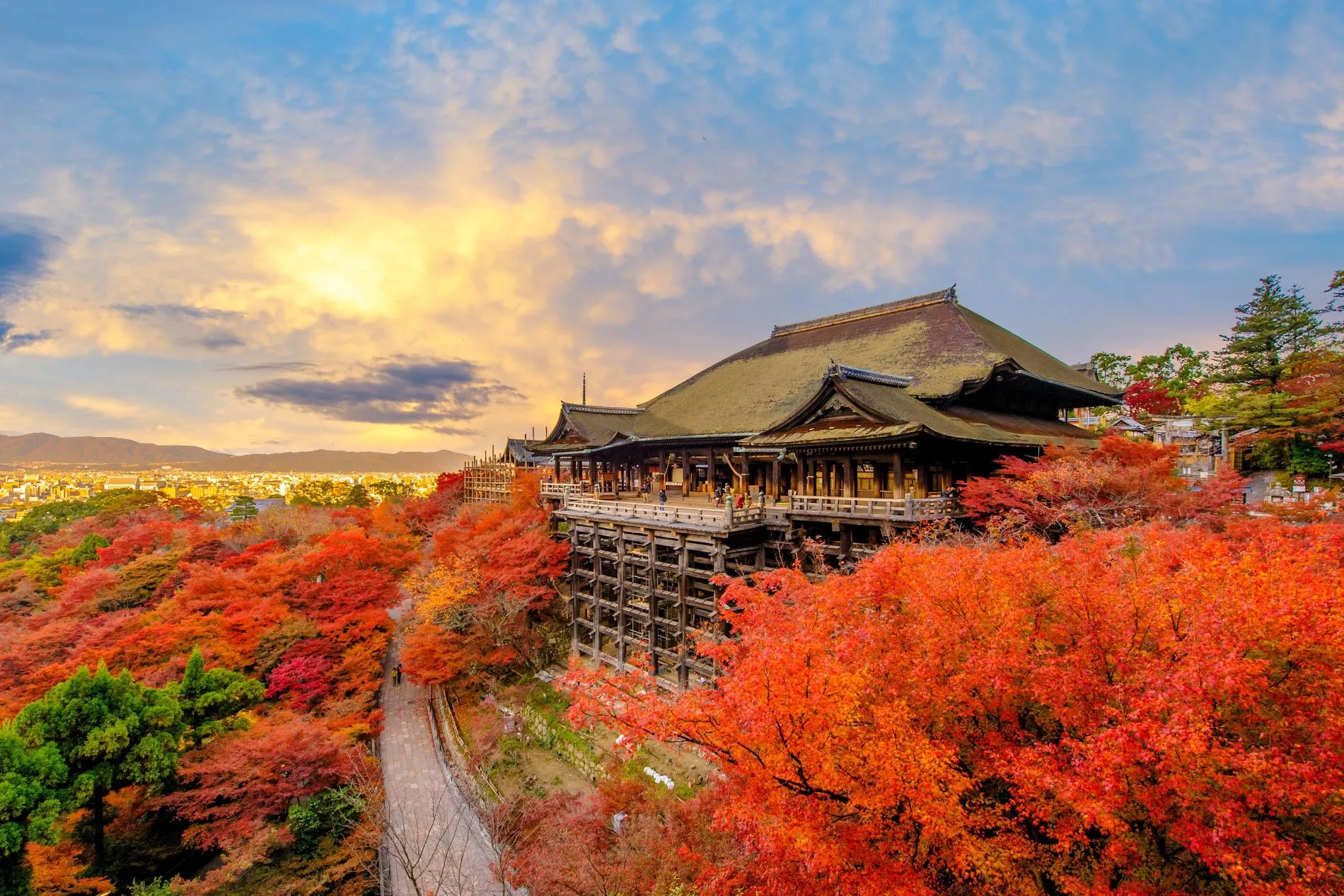
Historic Monuments of Ancient Kyoto
Year of Inscription: 1994
Location: Kyoto, Uji, and Ōtsu Cities
Seventeen locations in the ancient capital showcasing the heights of Japanese religious and imperial architecture from the Heian period onward.
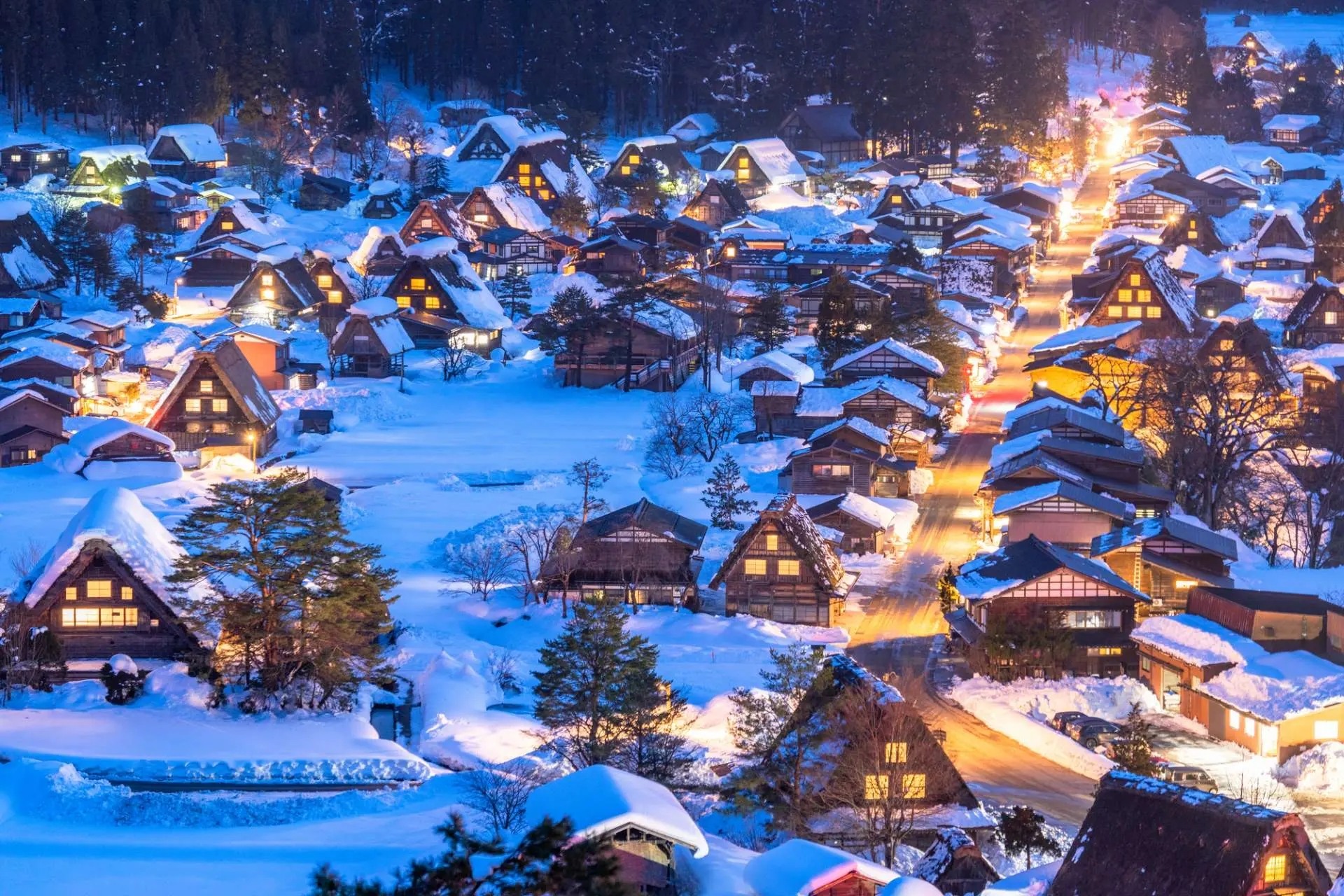
Historic Villages of Shirakawa-go and Gokayama
Year of Inscription: 1995
Location: Gifu and Toyama Prefectures
Traditional thatched-roof houses (gassho-zukuri) designed to withstand heavy snowfall. These mountain villages reflect an agricultural lifestyle preserved for centuries.
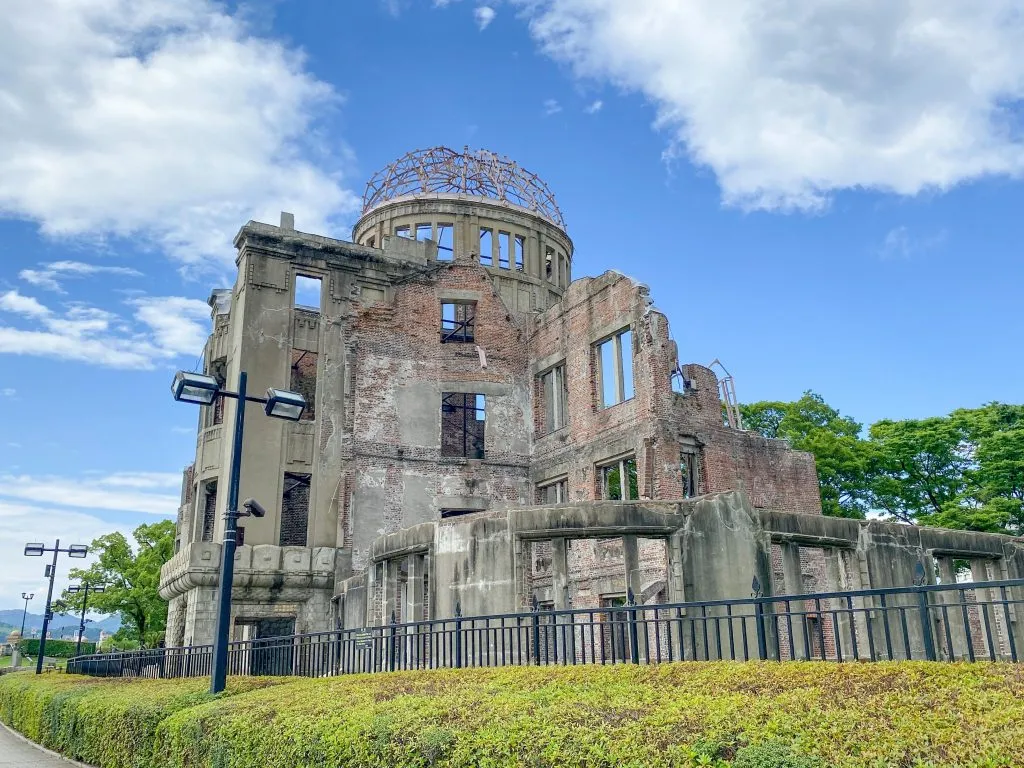
Hiroshima Peace Memorial
Year of Inscription: 1996
Location: Hiroshima
A preserved ruin of the only structure left near the atomic bomb’s hypocenter. Symbol of peace and reminder of the destructive power of nuclear weapons.
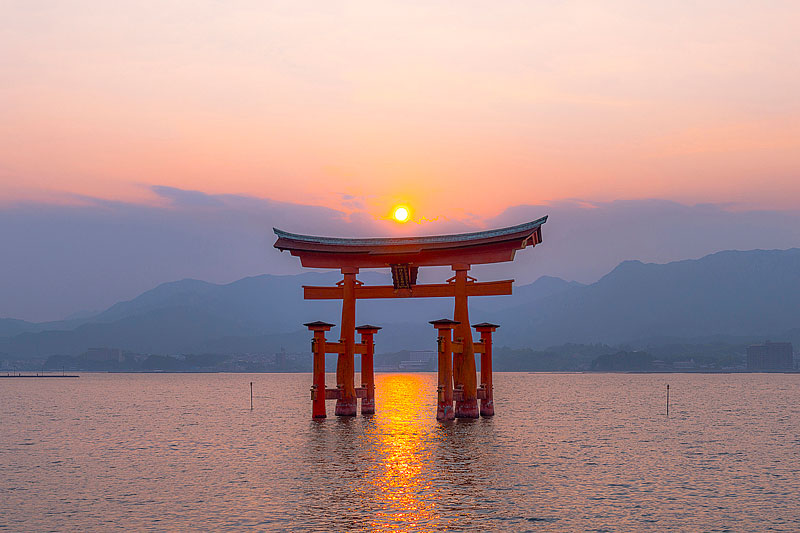
Itsukushima Shinto Shrine
Year of Inscription: 1996
Location: Hiroshima
Famed for its “floating” torii gate and shrine buildings set on stilts above the sea, this sacred site reflects harmony between nature and spirituality.
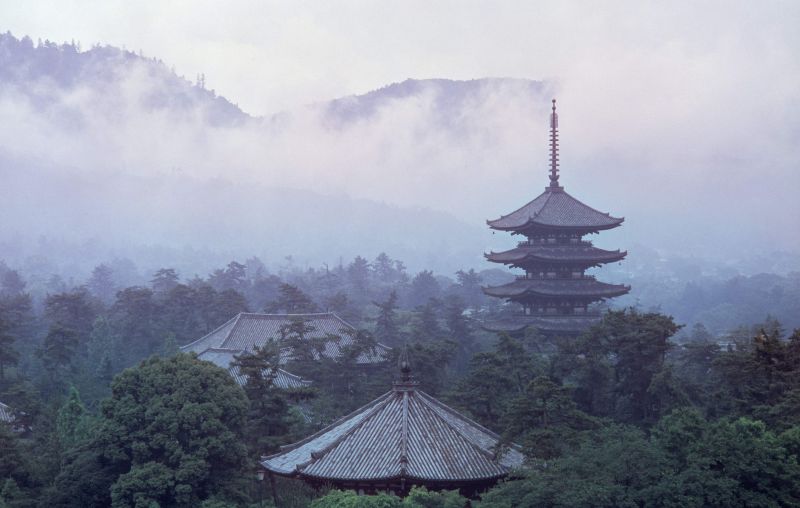
Historic Monuments of Ancient Nara
Year of Inscription: 1998
Location: Nara
Includes Todai-ji, Kofuku-ji, and Kasuga Taisha, representing Japan’s first permanent capital and its early Buddhist architecture and city planning.
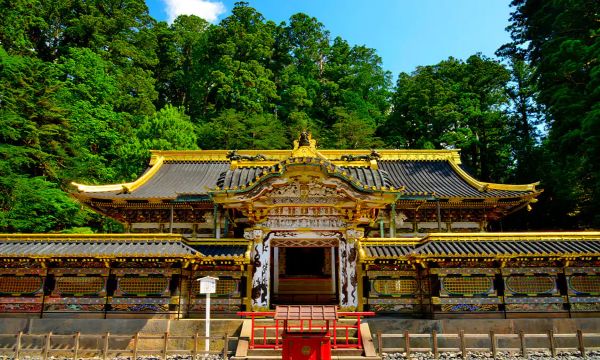
Shrines and Temples of Nikko
Year of Inscription: 1999
Location: Tochigi Prefecture
A spiritual site harmonizing Shinto and Buddhist beliefs. Includes the ornate Tōshō-gū Shrine dedicated to Tokugawa Ieyasu, and scenic temple complexes set in forests.
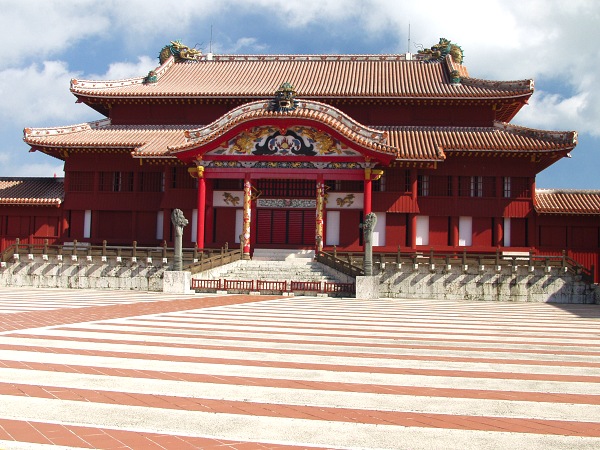
Gusuku Sites and Related Properties of the Kingdom of Ryukyu
Year of Inscription: 2000
Location: Okinawa Prefecture
This World Heritage listing includes castles (gusuku), sacred sites, and gardens representing the distinct cultural heritage and architecture of the Ryukyu Kingdom.
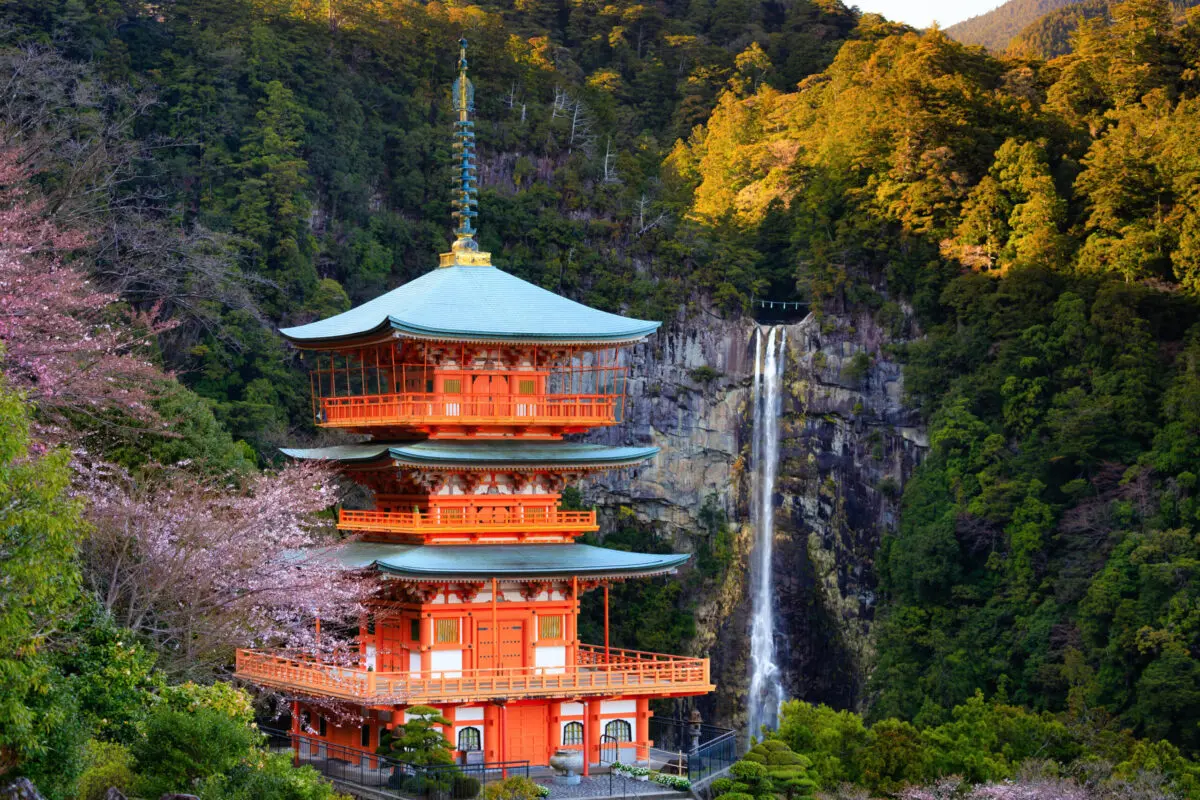
Sacred Sites and Pilgrimage Routes in the Kii Mountain Range
Year of Inscription: 2004
Location: Wakayama, Nara, and Mie Prefectures
This cultural landscape includes Kumano Sanzan, Koyasan, and Yoshino/Omine.
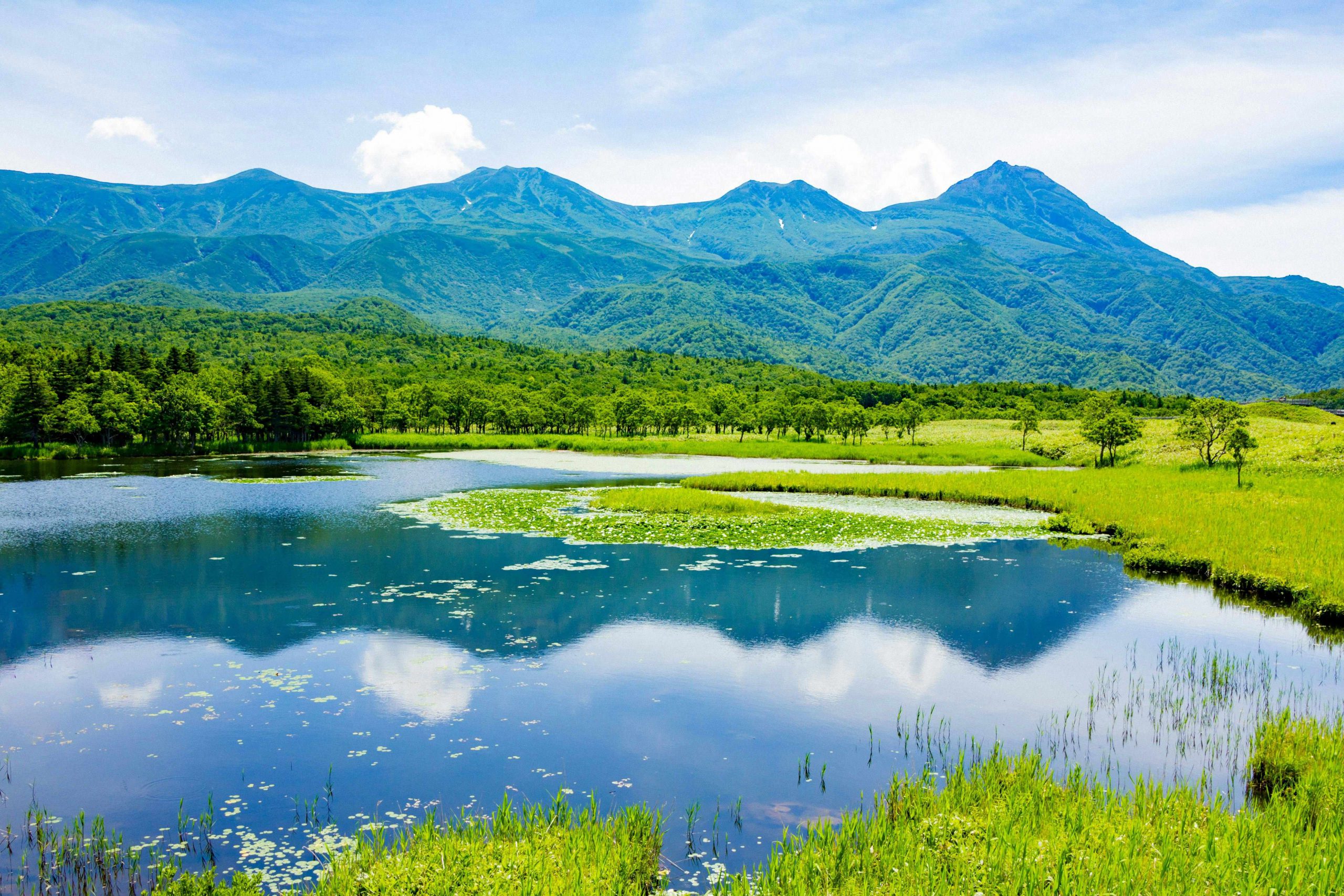
Shiretoko
Year of Inscription: 2005
Location: Hokkaido
A remote peninsula featuring dramatic cliffs, diverse wildlife including brown bears and sea eagles, and unique ecosystems shaped by sea ice.
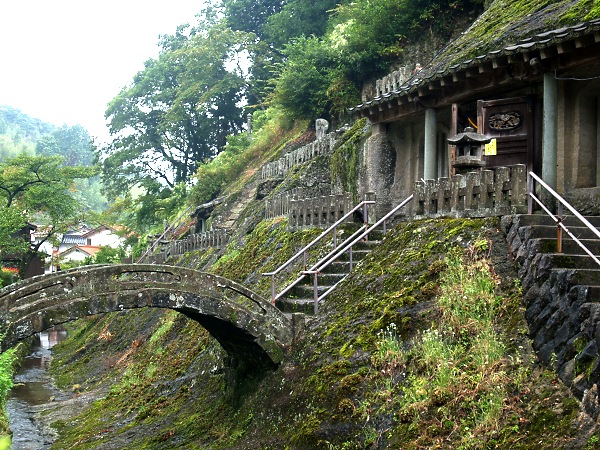
Iwami Ginzan Silver Mine and its Cultural Landscape
Year of Inscription: 2007
Location: Shimane
A historical mining site from the 16th to 20th century. Includes mines, settlements, transportation routes, and ports that supported silver production and trade.
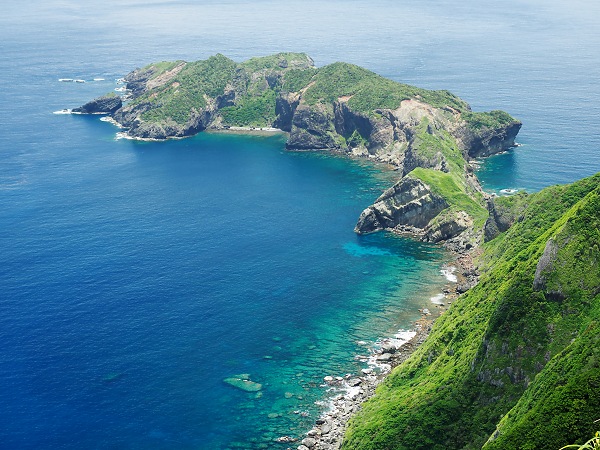
Ogasawara Islands
Year of Inscription: 2001
Location: Tokyo Metropolis (Pacific Ocean)
Also known as the Bonin Islands, these remote volcanic islands are home to many endemic species and are nicknamed the “Galápagos of the Orient.”
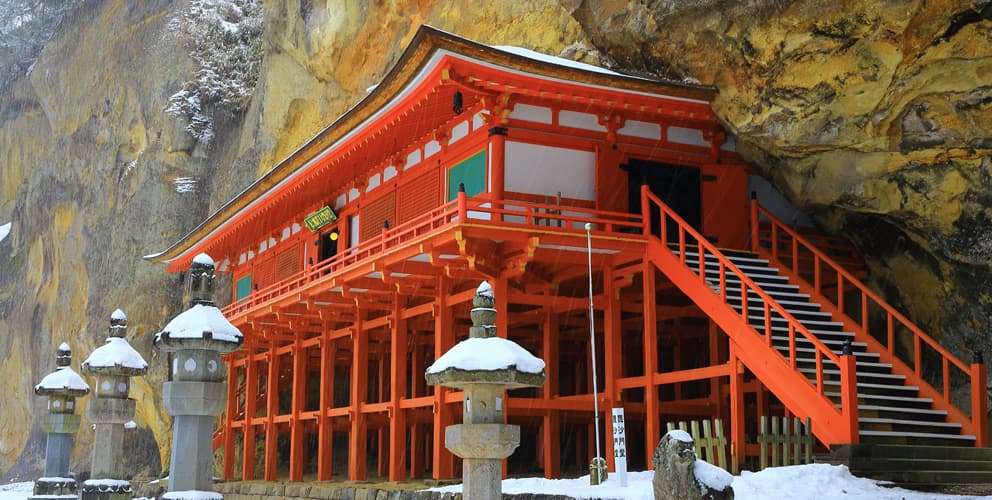
Hiraizumi Temples
Year of Inscription: 2011
Location: Iwate Prefecture
These cultural properties reflect the Pure Land of Buddhism through their architecture, gardens, and layout.
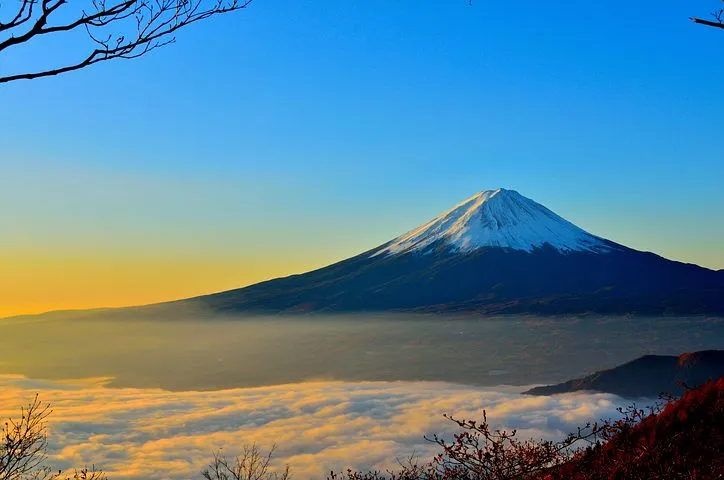
Fujisan, sacred place and source of artistic inspiration
Year of Inscription: 2013
Location: Yamanashi and Shizuoka Prefectures
Mount Fuji has long been a sacred mountain and artistic muse, reflected in pilgrimage routes, shrines, and ukiyo-e prints. It represents the fusion of nature and culture.
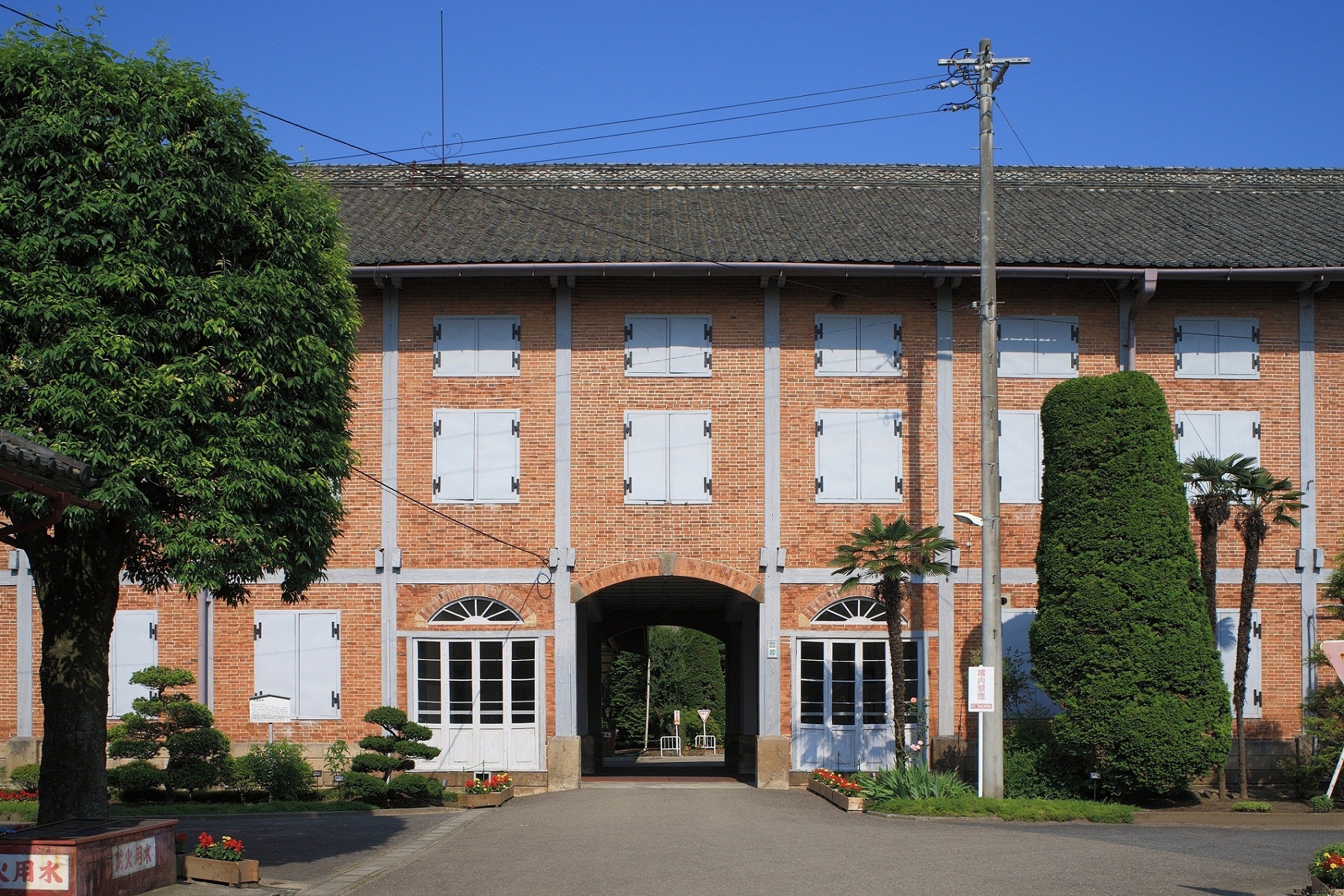
Tomioka Silk Mill and Related Sites
Year of Inscription: 2014
Location: Gunma Prefecture
Japan’s first modern model silk reeling factory established in 1872, this site symbolizes the country’s industrial modernization and global silk trade.
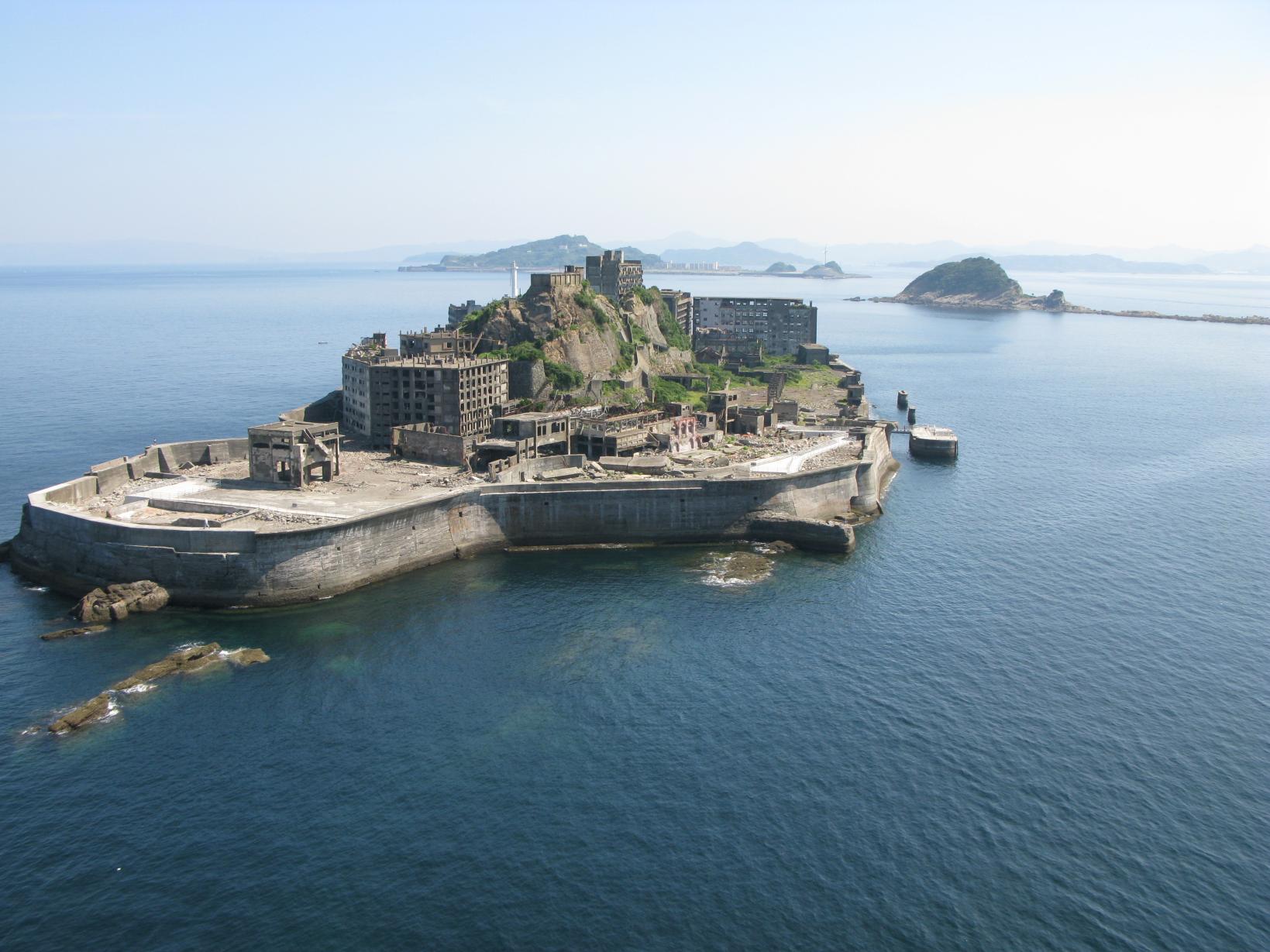
Sites of Japan’s Meiji Industrial Revolution
in the Hōryū‑ji Area
Year of Inscription: 2015
Location: Across 8 prefectures (Yamaguchi, Fukuoka, Saga, Nagasaki, Kumamoto, Kagoshima, Shizuoka, Iwate)
A serial property of 23 sites showing the rapid industrialization of Japan in the late 19th century. Includes shipyards, coal mines, ironworks, and steel mills.
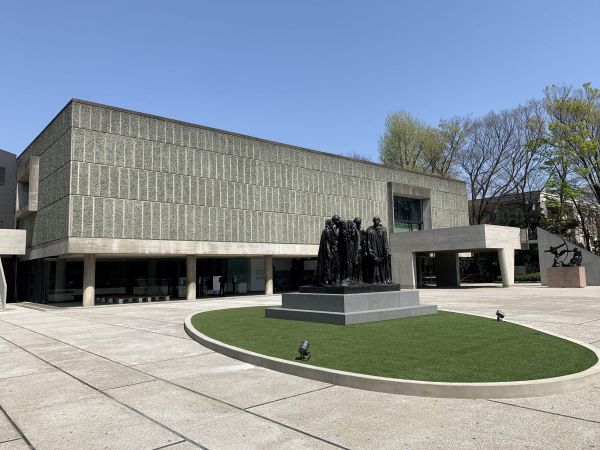
The Architectural Work of Le Corbusier, an Outstanding Contribution to the Modern Movement
Year of Inscription: 2016
Location: Tokyo (National Museum of Western Art)
Part of a transnational serial property including 17 sites in 7 countries.
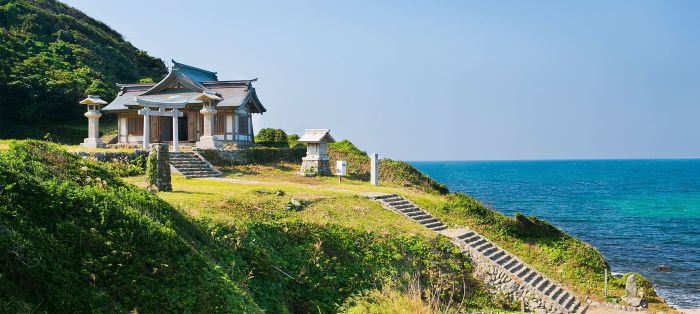
The Sacred Island of Okinoshima and Associated Sites in the Munakata Region
Year of Inscription: 2017
Location: Fukuoka Prefecture
This sacred island and related sites preserve ancient rituals and archaeological remains, offering insight into early Japanese spiritual beliefs and maritime cultural exchanges.
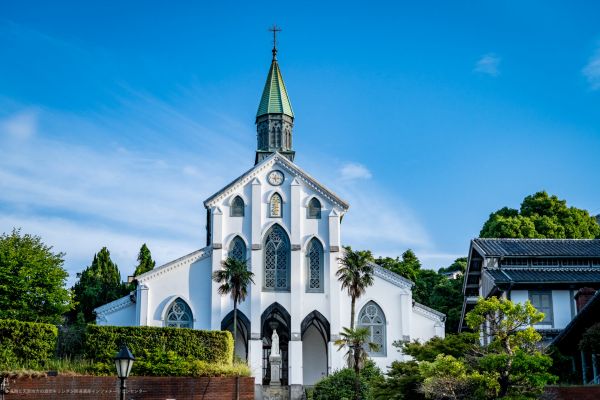
Hidden Christian Sites in the Nagasaki Region
Year of Inscription: 2018
Location: Nagasaki and Kumamoto Prefectures
These ten villages and religious sites reflect the unique cultural tradition of the Hidden Christians, who maintained their faith in secret during the ban on Christianity in Japan (17th–19th centuries).
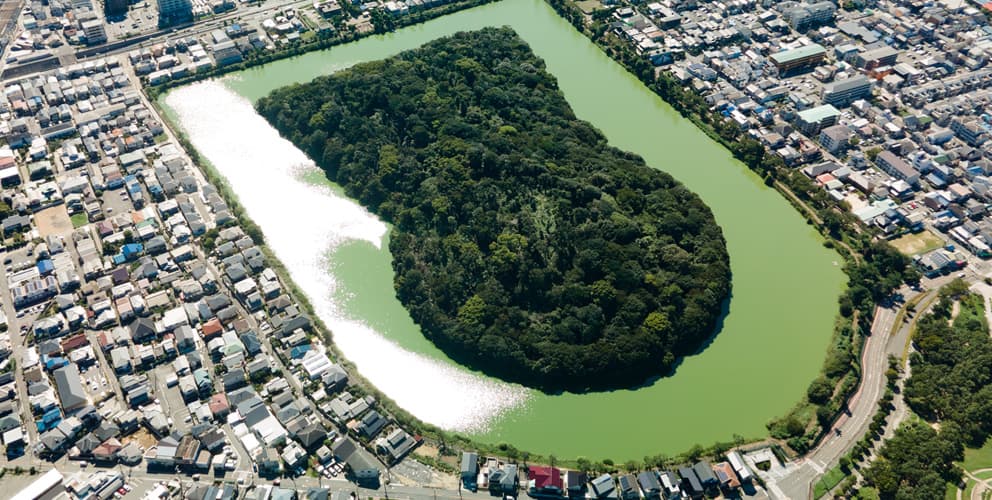
Mozu-Furuichi Kofun Group: Mounded Tombs of Ancient Japan
Year of Inscription: 2019
Location: Osaka Prefecture
A group of 49 kofun (ancient burial mounds) built between the late 4th and early 6th centuries, representing the powerful ruling elite of the time.
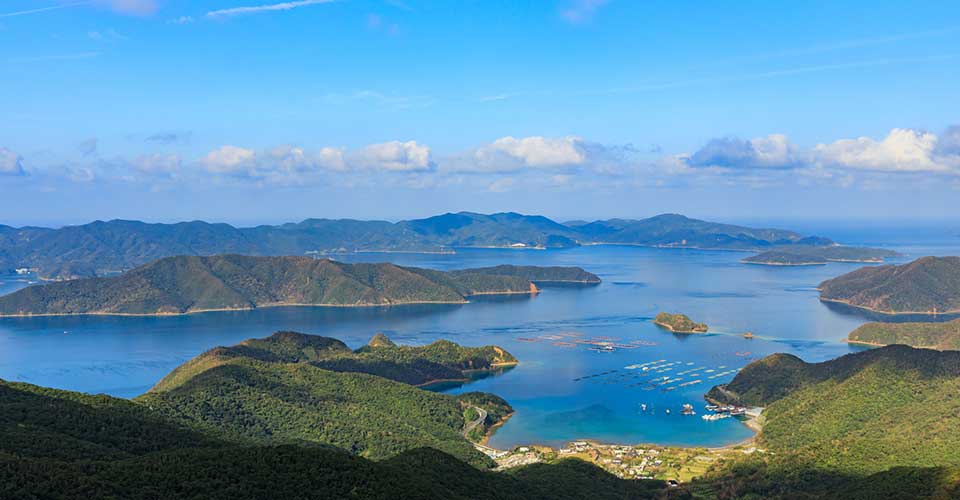
Amami-Oshima Island, Tokunoshima Island, Northern Part of Okinawa Island, Iriomote Island
Year of Inscription: 2021
Location: Kagoshima Prefectures
http://explorerjapan.jp/wp-content/uploads/2026/05/UNESCO-Amami-Oshima.jpg
Jomon Prehistoric Sites in Northern Japan
Year of Inscription: 2021
Location: Hokkaido, Aomori, Iwate, Akita Prefectures
A group of 17 archaeological sites dating from 13,000 to 400 BCE, representing the sedentary lifestyle, rituals, and beliefs of Japan’s prehistoric Jomon culture.
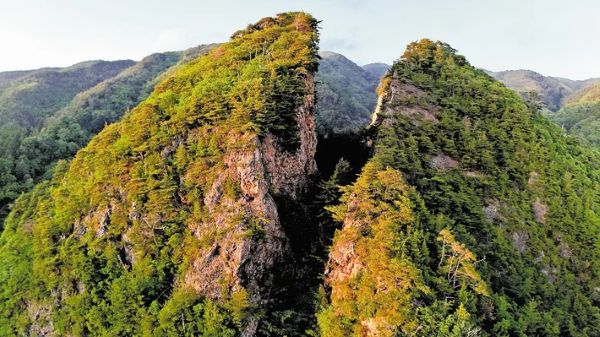
Sado Island Gold Mines
Year of Inscription: 2024
Location: Niigata Prefecture
These historic gold and silver mining sites on Sado Island represent Japan’s traditional mining technology, labor systems, and international trade from the 17th to 19th centuries.