JAPAN
Culture and Experience
from 26 USD
Japan offers a beautiful mix of ancient traditions and modern life. We believe the best way to see Japan is to experience it yourself. Whether you want an exclusive, high-end VIP cultural experience or a fun, budget-friendly local activity, we customize everything with true omotenashi to match your exact needs and budget.
- Deep Cultural Immersion
- Modern & Pop Culture
- Tailored to Every Budget
- Fun & Smart Suggestions
- Hands-on Local Activities
Cultural Arrangements
Jinrikisha (Rickshaw)
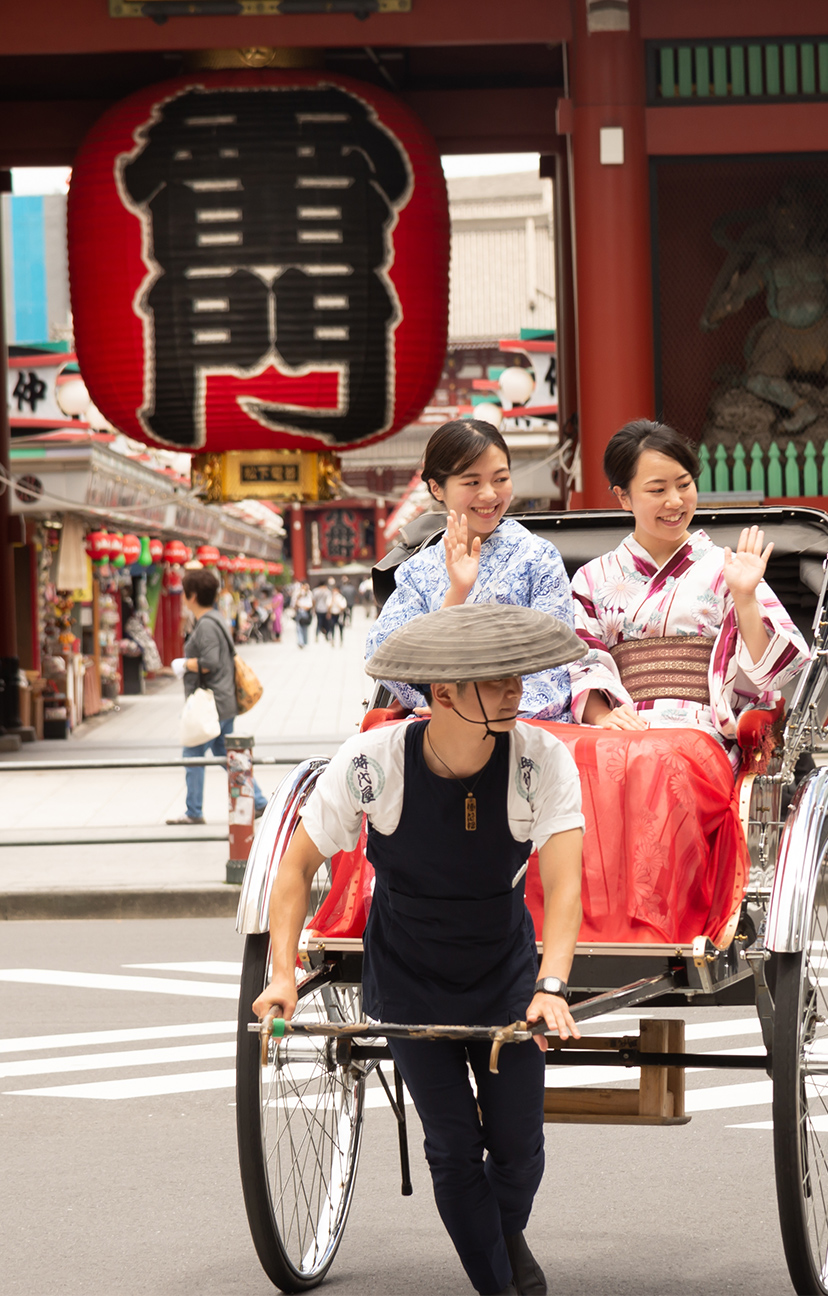
The Jinrikisha, developed in Japan during the late 19th-century Meiji period, revolutionized urban transportation as the country quickly modernized. Invented as a faster and more comfortable alternative to the traditional palanquin (kago), it combined traditional craftsmanship with Western wheel technology. Pulled by skilled and physically resilient runners called “shafu,” the rickshaw became a symbol of Japan’s transitional era. Today, while no longer used for daily commuting, Jinrikisha live on in historic districts like Tokyo’s Asakusa and Kyoto’s Arashiyama, where knowledgeable pullers offer tourists an immersive, nostalgic journey through Japan’s living history.
Kabuki
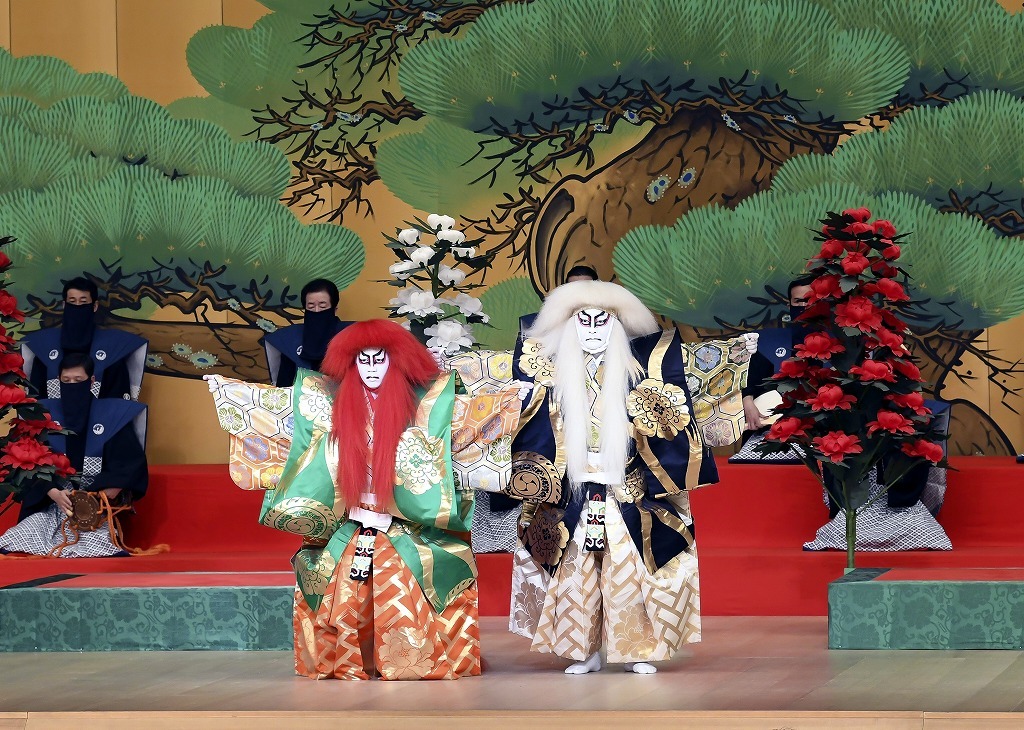
Kabuki originated around 1603 when Izumo no Okuni, a shrine maiden, captivated Kyoto with avant-garde dances on the streets. Although this female-led “Onna-Kabuki” became an instant sensation, the shogunate banned women from performing to maintain public morals. Following a subsequent ban on teenage boys, the art transitioned into “Yaro-Kabuki” performed exclusively by adult men, establishing the all-male tradition that continues today. Throughout the Edo period, it evolved into the ultimate entertainment for commoners, developing glamorous costumes and dramatic poses called “Mie” to mesmerize audiences with timeless stories still performed today.
Shodo (Calligraphy)
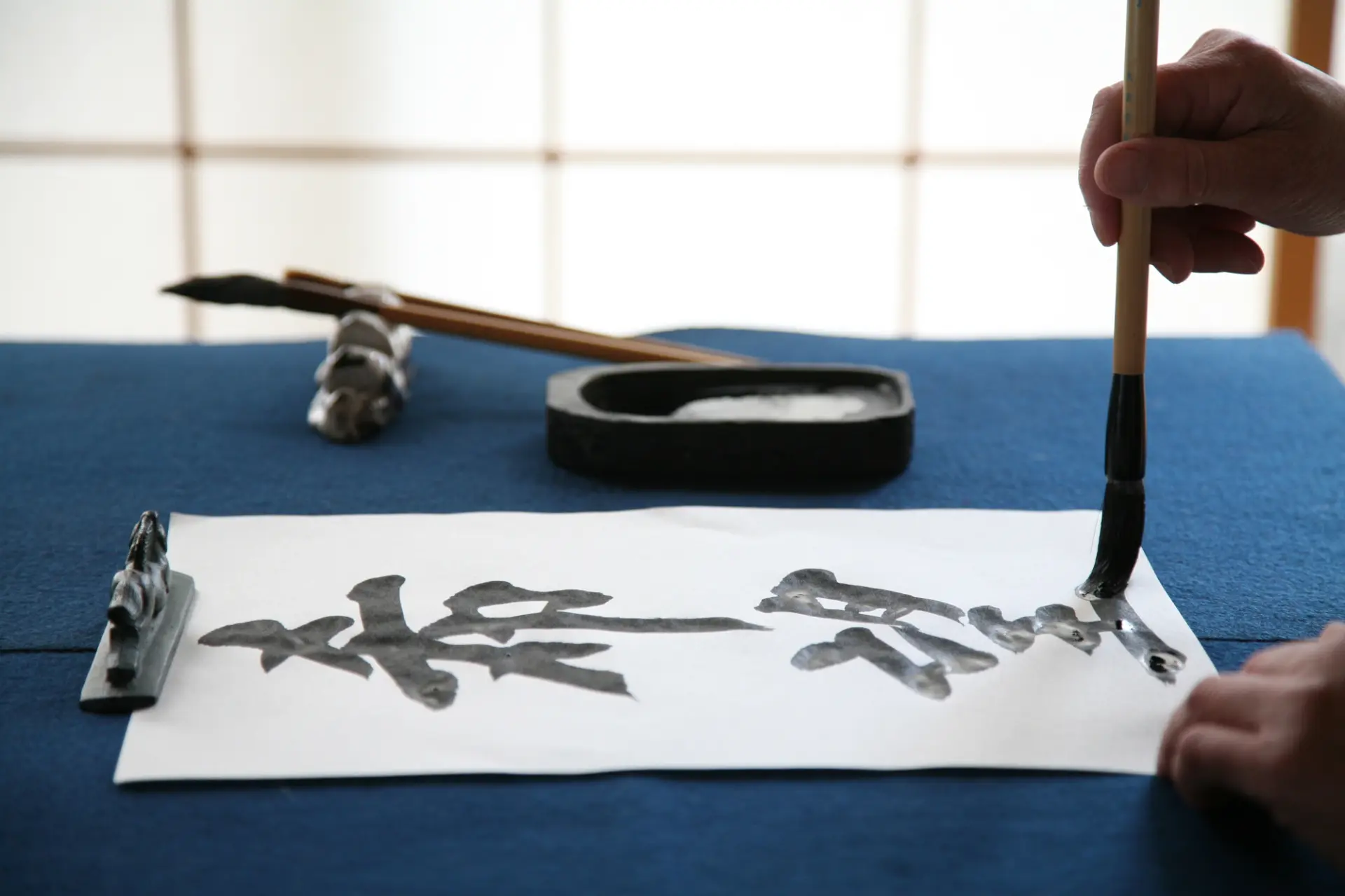
Shodo, the art of Japanese calligraphy, was introduced from China alongside Buddhism in the 6th century and gradually evolved into a distinct artistic philosophy rooted in Japanese sensibilities. Using simple tools—a brush (fude), inkstone (suzuri), inkstick (sumi), and mulberry paper (washi)—the calligrapher channels their inner life force, or “ki,” into every stroke. Because the ink absorbs instantly into the paper, a line cannot be erased or corrected, requiring absolute focus, rhythm, and mindfulness akin to Zen meditation. Shodo values the beauty of empty space as much as the ink itself, transforming written characters into a profound reflection of the artist’s soul.
Sumo Wrestling
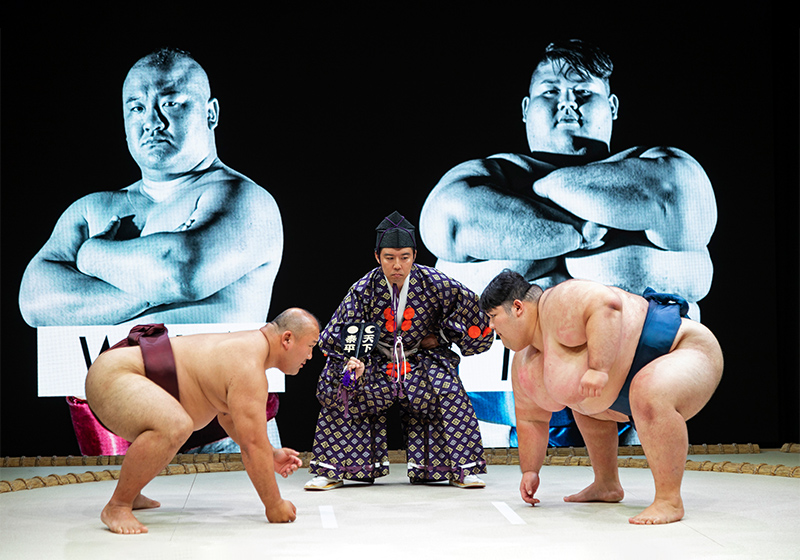
Sumo is Japan’s national sport, boasting a history of over 1,500 years with origins deeply intertwined with ancient Shinto rituals. Originally performed as a sacred dance to pray to the deities (kami) for a bountiful harvest, modern Sumo still strictly maintains its religious roots. Every professional match takes place in a sacred ring (dohyo) topped by a shrine-like roof, where wrestlers perform purification rituals, such as throwing salt to dispel evil spirits and stamping their feet (shiko) to drive away demons. Beyond a test of raw physical strength, Sumo is a revered cultural institution that demands the highest levels of discipline, dignity, and spiritual purity from its competitors.
Kimono
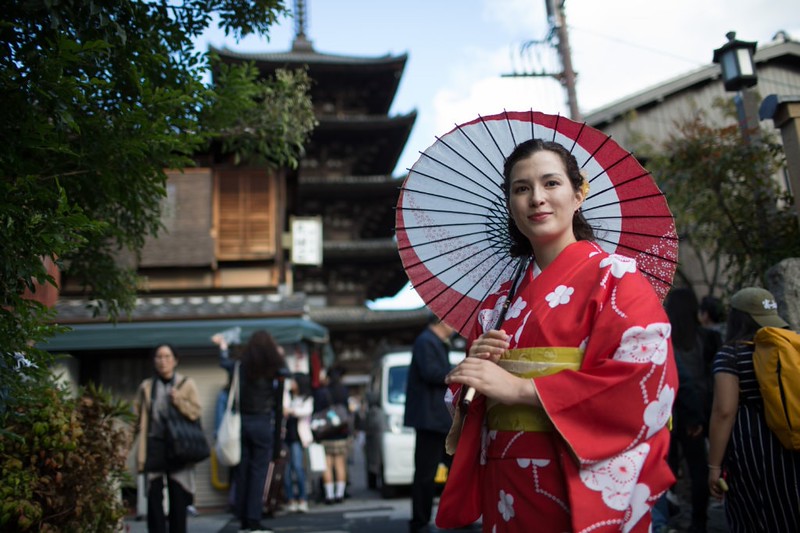
The Kimono, which literally translates to “something to wear,” is the traditional garment of Japan, tracing its basic T-shaped silhouette back to the Heian period (794–1185). Over centuries, it evolved from an everyday staple into a complex canvas of social status, season, and artistry. Every aspect of a Kimono—from the choice of woven silk and hand-dyed patterns to the intricate style of tying the sash (obi)—communicates a subtle message. For instance, long flowing sleeves (furisode) signify an unmarried young woman, while specific motifs reflect the shifting seasons. Today, donning a Kimono is a cherished ritual reserved for major life milestones, weddings, and formal cultural practices, embodying the timeless spirit of Japanese elegance.
Sado (Tea Ceremony)
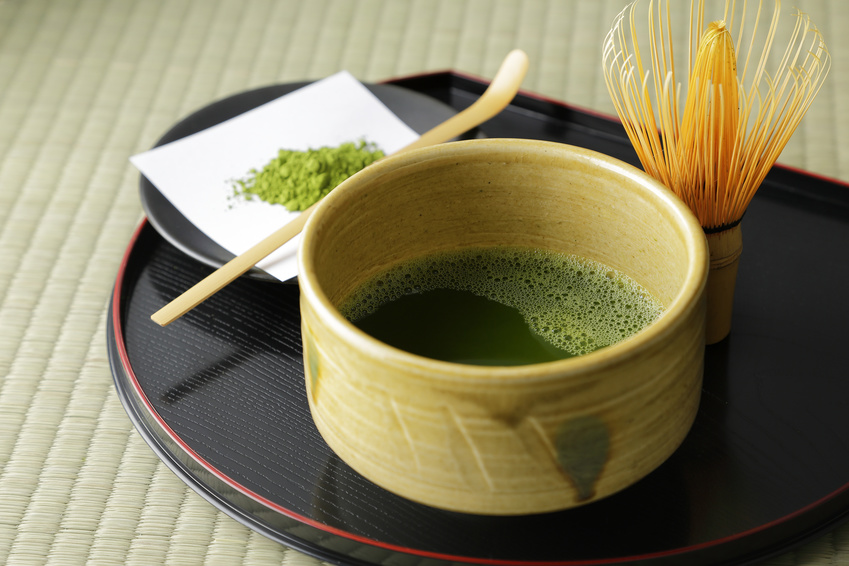
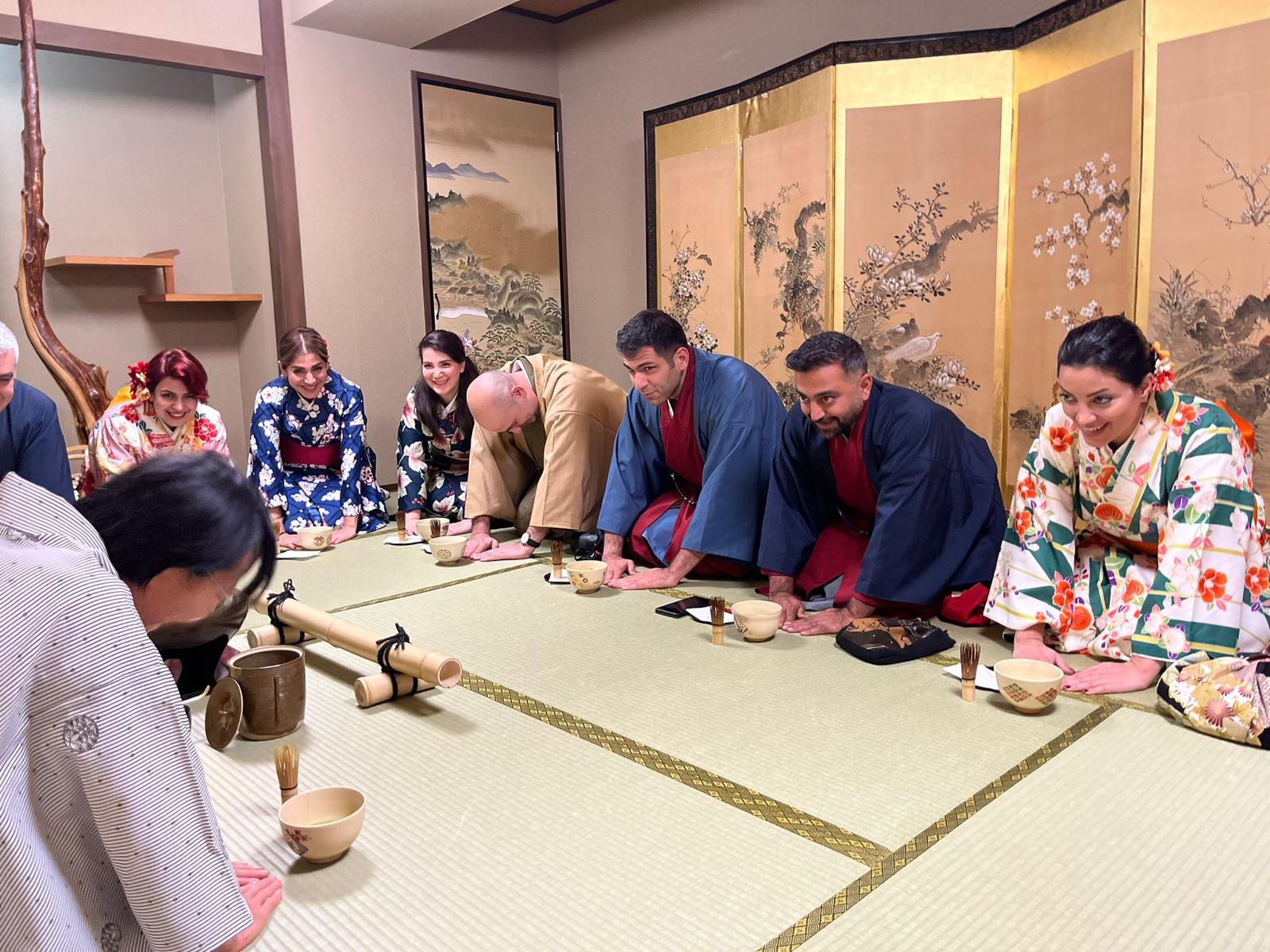
Sado, also known as Chado or the Way of Tea, is a highly ritualized spiritual practice centered on the preparation and presentation of powdered green tea (matcha). Developed in the 16th century by the legendary tea master Sen no Rikyu, Sado transformed a simple social gathering into a Zen-infused philosophy of life. The ceremony is guided by four core principles: Harmony (wa) with nature and people, Respect (kei) for all things, Purity (sei) of mind and environment, and Tranquility (jaku) attained through the practice. Every deliberate movement, the choice of seasonal flowers, and the intentionally rustic tea bowls are designed to foster “Ichigo Ichie”—the profound realization that every single encounter is unique and can never be repeated.