
ATTRACTION BY AREA
Hokkaido
Experience the breathtaking beauty of Japanese spring with Explorer Japan! Witness the iconic cherry blossoms, join historic festivals, and enjoy scenic nature trails. Let us craft your unforgettable spring journey.Hokkaido is a breathtaking frontier of vast wilderness and dramatic seasonal transformations. From endless purple lavender fields in summer to world-class powder snow and ice festivals in winter, it offers an unforgettable getaway for nature lovers.
- UNESCO World Natural Heritage site
- Onsen
- Historical Sites
- Unreal Natures
- The Best Diary Deserts
- The Best meat of Lam
Must Visit Spots
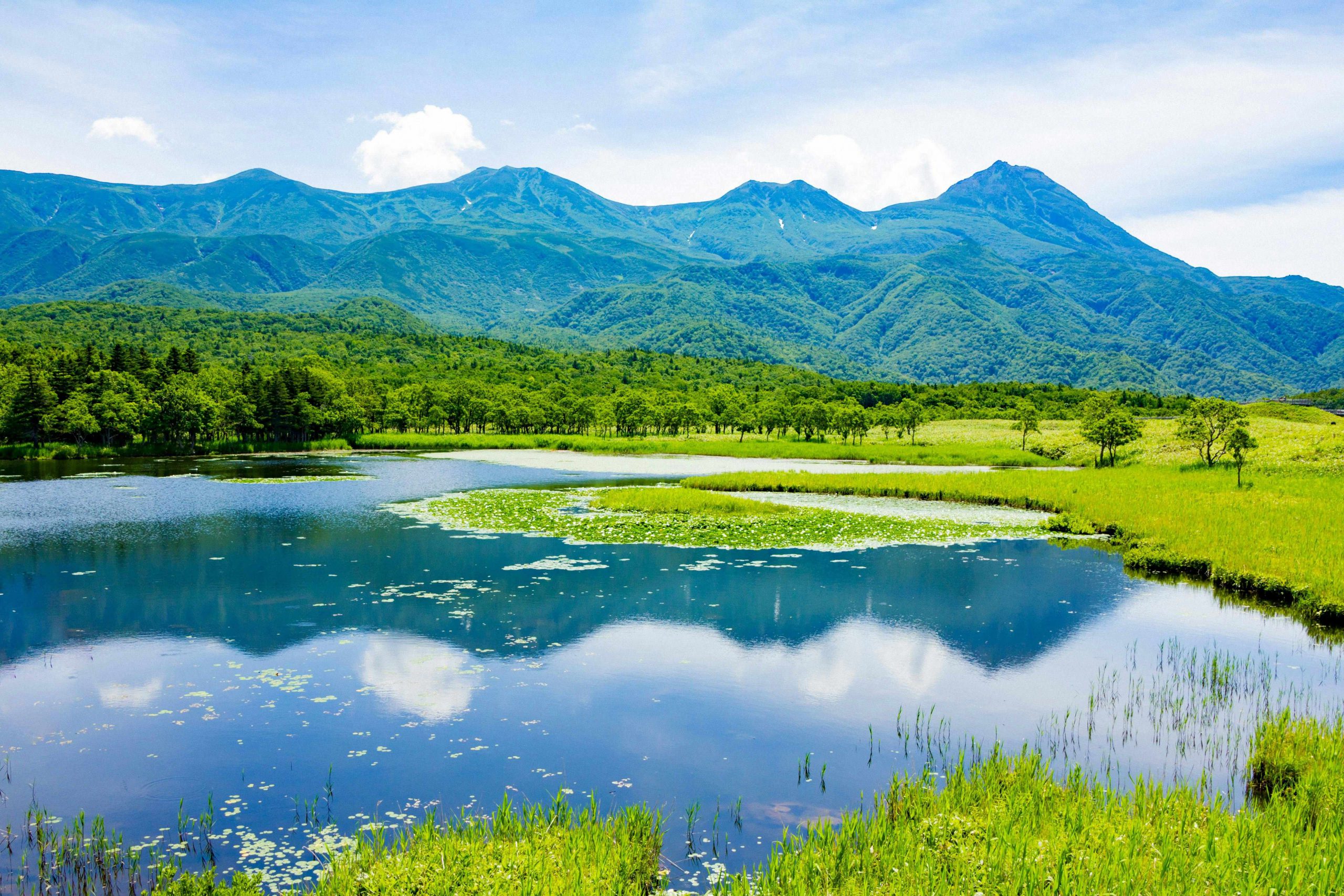
Shiretoko National Park
Best Season: Summer
Designated as a UNESCO World Natural Heritage site in 2005, Shiretoko—meaning “the end of the earth” in the indigenous Ainu language—is one of Japan’s most remote and pristine wilderness areas. It features a unique ecosystem where marine and terrestrial life are deeply interconnected, famous for brown bears, diverse bird species, and winter drift ice (ryuhyo).
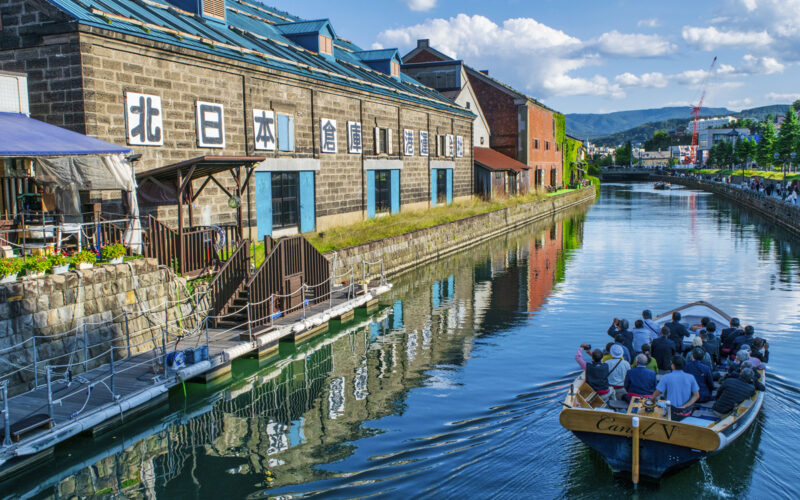
Otaru Canal
Best Season: winter
Completed in 1923, the Otaru Canal was a vital artery for Hokkaido’s early modern trade, allowing small boats to unload goods directly into historic brick and stone warehouses. Today, these preserved warehouses have been transformed into charming restaurants and shops. Lit by gas lamps at night, it offers an incredibly romantic atmosphere.
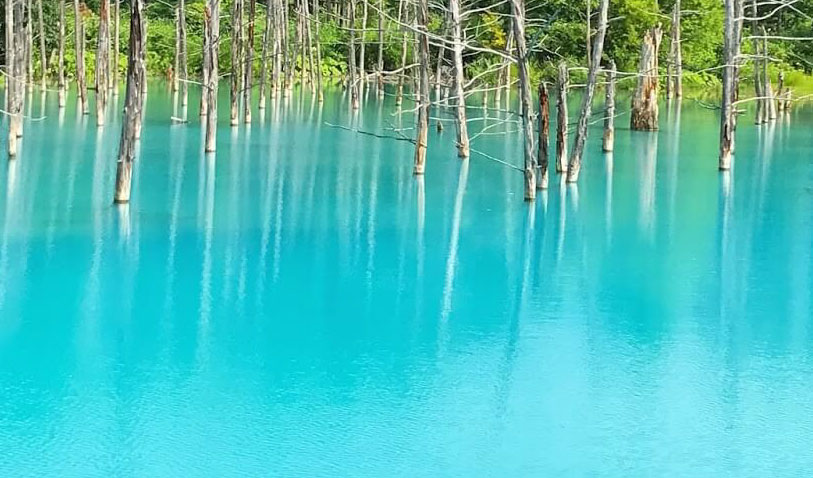
Biei Blue Pond & Hills
Best Season: May to October
The Shirogane Blue Pond is an accidental masterpiece created by an erosion control dam built in 1989. Natural minerals from nearby hot springs mix with the river water, reflecting a surreal, vibrant blue hue, accented by withered larch trees. Surrounding Biei is famous for its rolling “patchwork” hills of colorful agriculture.
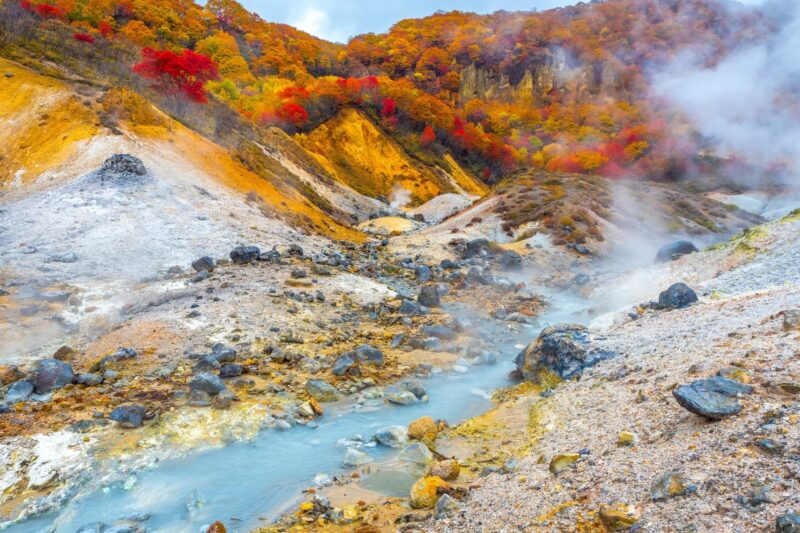
Noboribetsu Onsen Jigokudani
Best Season: Autumn
Noboribetsu is Hokkaido’s most famous hot spring resort. Its primary source is Jigokudani (Hell Valley), a dramatic 24-acre crater formed by a volcanic eruption about 10,000 years ago. Boiling water, sulfurous steam vents, and yellow volcanic rock create a scenery that looks like “hell,” producing eleven different types of therapeutic mineral waters.
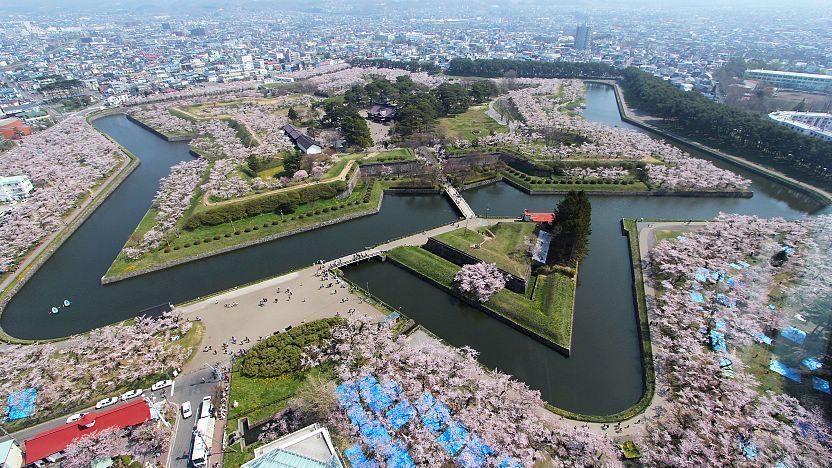
Mount Hakodate & Goryokaku
Best Season: Spring and winter
Hakodate was one of Japan’s first international trading ports opened in 1859, blending Western architecture with local culture. Mount Hakodate offers a “three-star” panoramic night view ranked among the world’s best. Nearby Goryokaku is a unique, star-shaped Western-style fortress built in 1864, now a stunning public park famous for cherry blossoms.
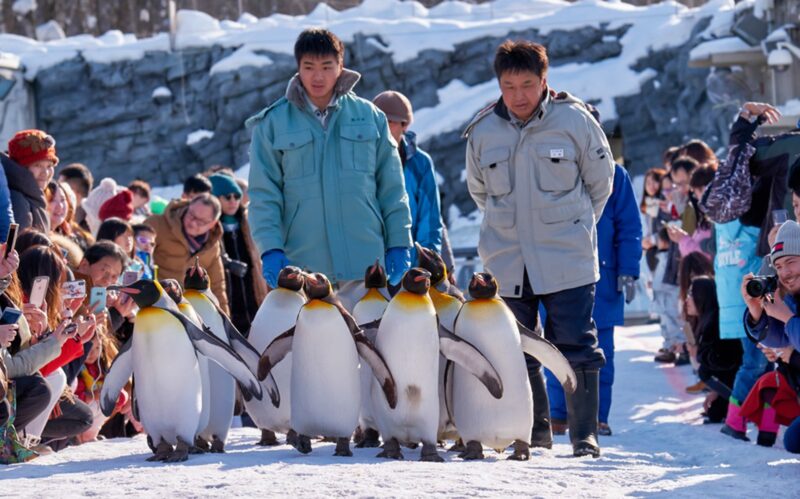
Asahiyama Zoo
Best Season: winter
Located in Asahikawa, this zoo revolutionized wildlife tourism in Japan through “behavioral exhibition”. Instead of just looking at animals in cages, visitors view them from unique angles that highlight their natural abilities—such as polar bears diving into water or penguins walking through the snow like an annual winter parade.
Hidden Spots
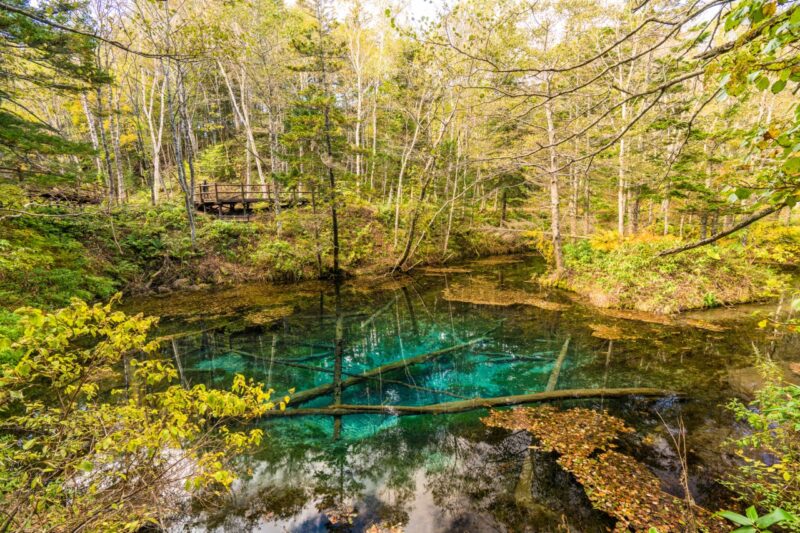
Kaminoko Pond
Best Season: May to October
A tiny, mystical pond hidden deep in the forests near Lake Mashu. Its name translates to “Child of the God Lake,” as it is fed by the underground water of Lake Mashu. Because the water temperature stays a constant 8°C year-round, fallen trees at the bottom do not decay, remaining perfectly intact under the crystal-clear, glowing cobalt blue water.
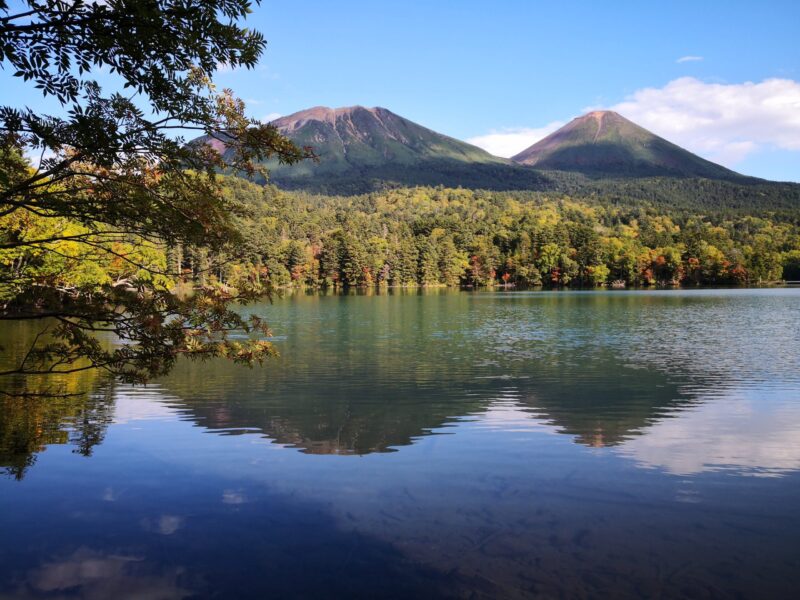
Lake Onneto
Best Season: June to November
Located inside Akan-Mashu National Park, this peaceful subalpine lake is affectionately called the “Five-Colored Pond.” Depending on the weather, wind, season, and viewing angle, the water dramatically shifts colors from emerald green to dark sapphire, framed beautifully by pristine primeval forests and active volcanoes.
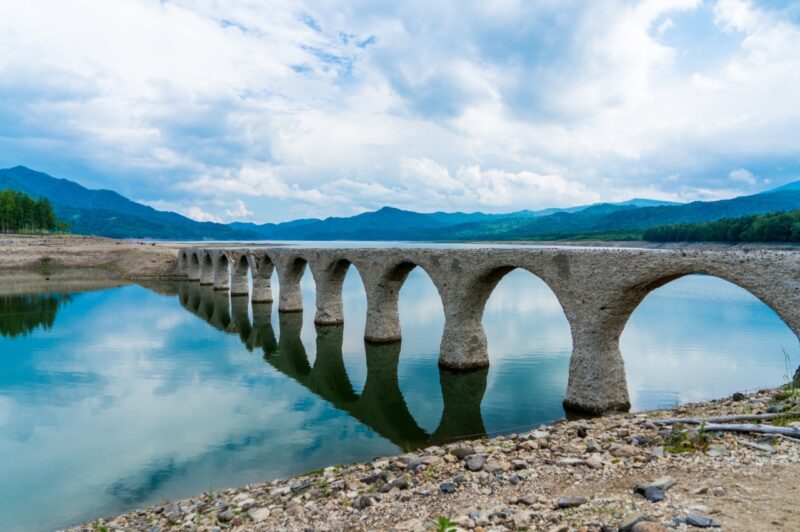
Taushubetsu River Bridge
Best Season: June to October
Known as the “Phantom Bridge,” this concrete arch bridge was built in 1937 for a former national railway line. Located inside a dammed lake, it appears and disappears depending on the water level—submerging entirely in winter and re-emerging in spring. Due to natural deterioration, this hauntingly beautiful structure may collapse in the near future.
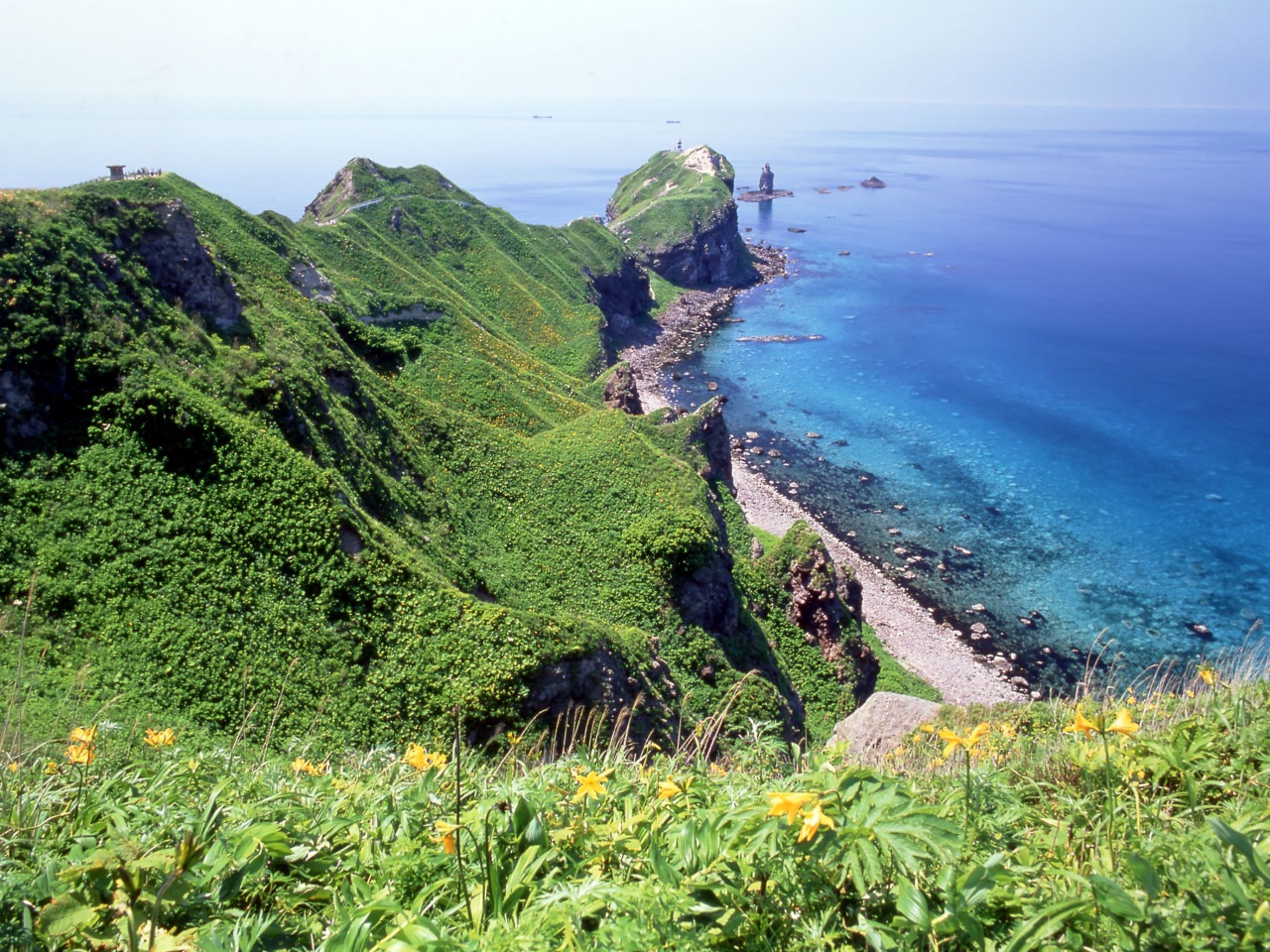
Cape Kamui
Best Season: June to August
Extending out into the Sea of Japan on the Shakotan Peninsula, this cape is famous for “Shakotan Blue,” an incredibly vivid, sapphire-like ocean color. Once a sacred site forbidden to women according to Ainu lore and Edo-period maritime rules, visitors today can hike a thrilling ridge trail to reach the lighthouse for a 300-degree marine panorama.
Moerenuma Park
Best Season: Summer and Winter
Located on the outskirts of Sapporo, this expansive park was designed by the world-renowned Japanese-American sculptor Isamu Noguchi under the concept of “the entire park being a single sculpture.” Transformed from a massive waste treatment site, it seamlessly blends geometric landscapes, architectural monuments, and green nature, making it a hidden paradise for art lovers.
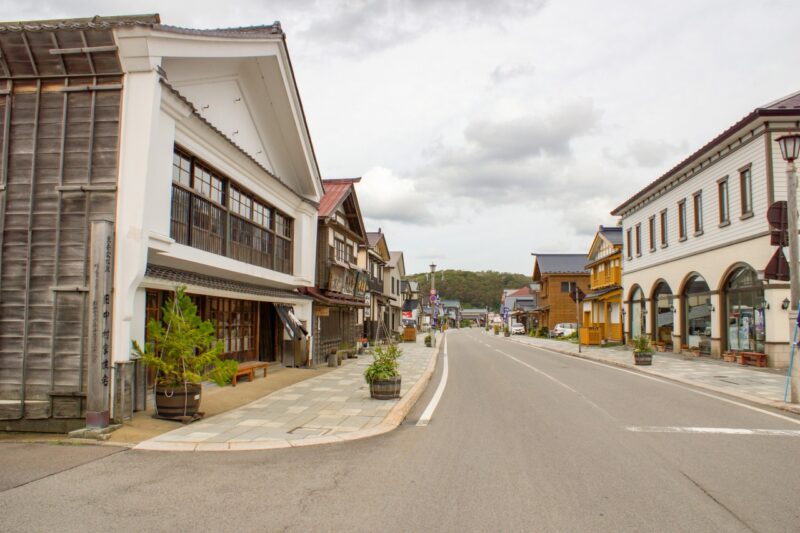
Historic Town of Esashi
Best Season: May to October
Located in southern Hokkaido, Esashi is one of the island’s oldest ports. It boomed during the Edo period through the herring fishing trade and Kitamaebune cargo ships, and was once famously described as being wealthier than Edo itself during spring. It beautifully preserves its rich merchant history along the “Inishie Kaido” street and Kamome Island.
Must Try Foods
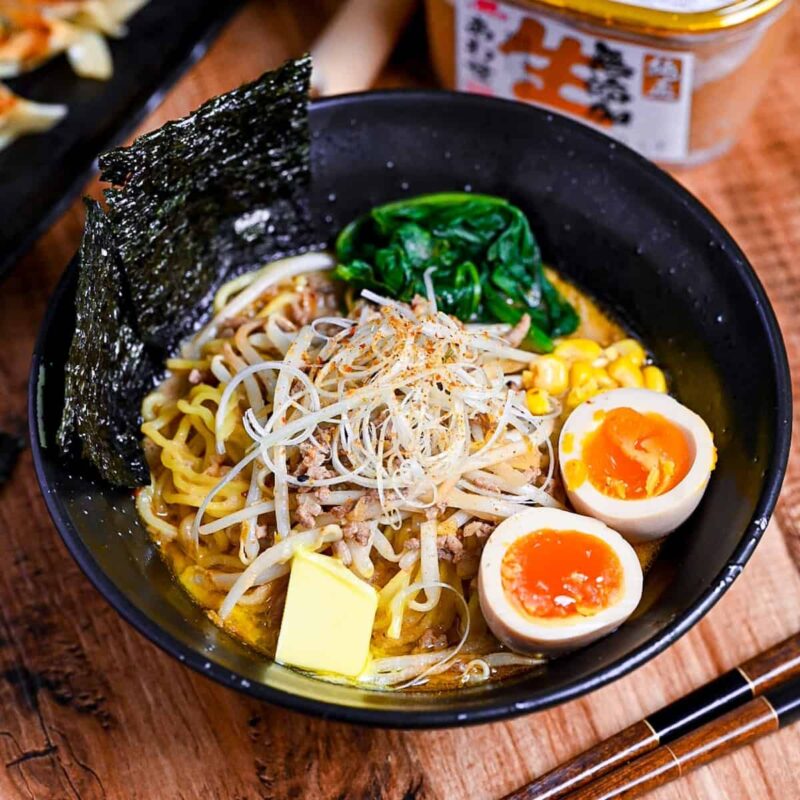
Sapporo Miso Ramen
Born in the 1950s at a local food stall, this iconic dish features a rich, savory miso-based broth cooked with fresh vegetables and lard, which creates a layer of oil to keep the soup piping hot during Hokkaido’s freezing winters. It is traditionally served with thick, curly yellow noodles.
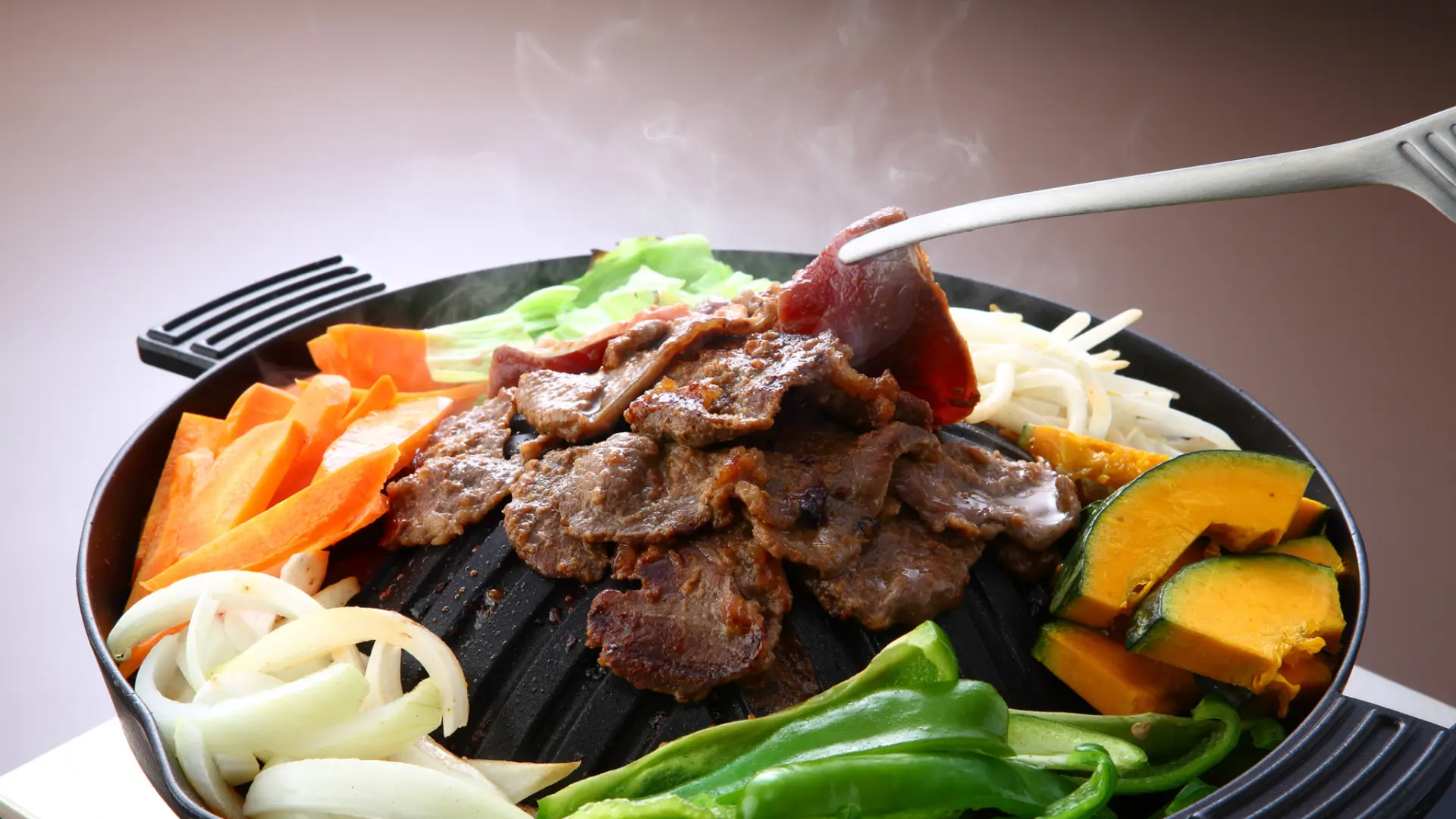
Jingisukan
A unique Hokkaido specialty featuring sliced mutton or lamb grilled on a distinctive, dome-shaped iron skillet. Surrounded by onions and cabbage that soak up the rich meat juices, this dish became deeply rooted in local culture during the early 20th century as part of Hokkaido’s sheep farming initiative.
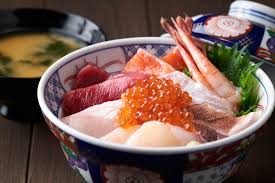
Kaisendon
Surrounded by three cold oceans, Hokkaido yields Japan’s finest and freshest seafood. A Kaisendon features a generous, artistic mound of the day’s fresh catch—such as sweet sea urchin (uni), glossy salmon roe (ikura), and juicy scallops (hotate)—served over a warm bowl of premium local rice.
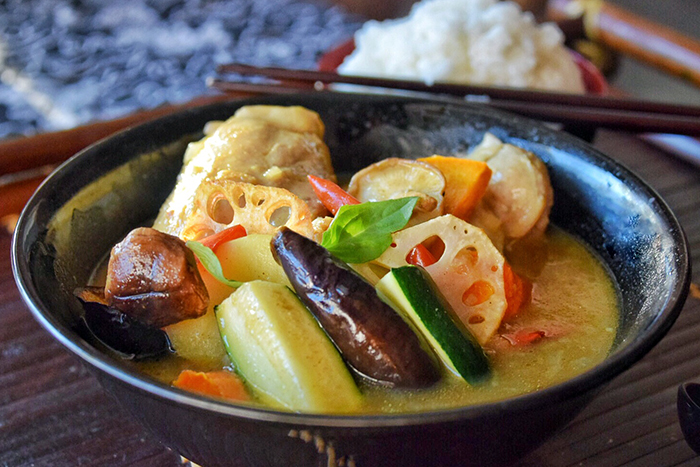
Soup Curry
Originating in Sapporo during the 1970s, this unique dish blends aromatic, medicinal spices with a rich, watery broth. Unlike thick traditional Japanese curry, it is packed with large, tender chunks of locally harvested seasonal vegetables and a whole, falling-off-the-bone chicken leg, offering a light yet deeply flavorful experience.
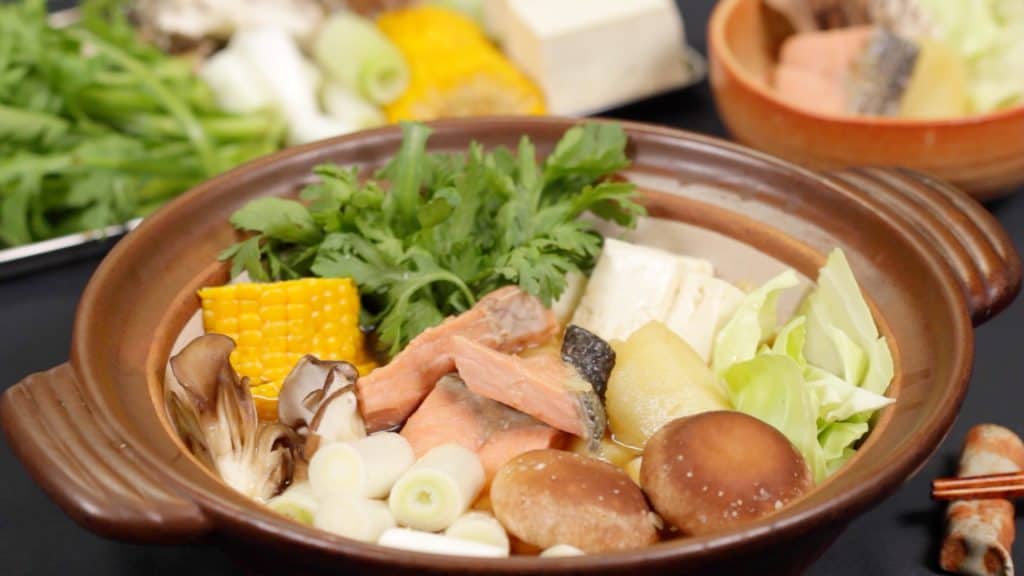
Ishikari Nabe
A traditional winter hot pot named after the Ishikari River, famous for its autumn salmon runs. Originally cooked by local fishers as a hearty beachside meal, it features tender salmon chunks, tofu, and winter vegetables simmered beautifully in a comforting miso-flavored broth, often enhanced with a touch of butter or milk.
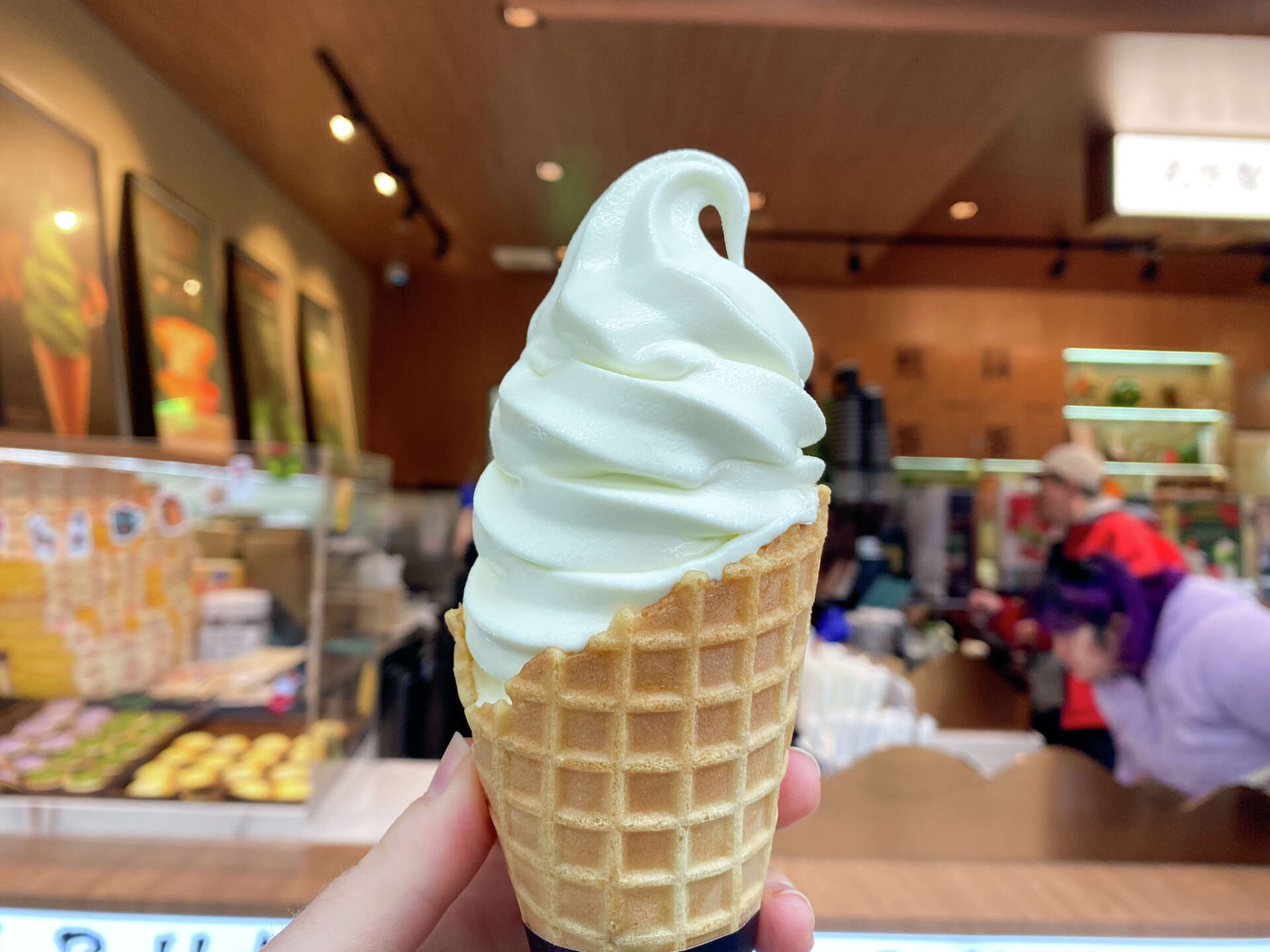
Hokkaido Dairy Desserts
Thanks to its vast pasturelands and cool climate, Hokkaido produces over 50% of Japan’s milk. Its high-quality dairy products are world-famous, making incredibly creamy soft-serve ice cream, rich double-fromage cheesecakes, and buttery baked goods an absolute must-try cultural experience for anyone with a sweet tooth.