
ATTRACTION BY AREA
Chubu
Chubu is a majestic region dominated by the towering Japanese Alps and rich cultural heritage. From stunning mountain landscapes to historic samurai villages and ancient craft towns, it represents the dramatic, traditional heart of Japan.
- Strategic Central Location
- The Majestic Japanese Alps
- Preserved Samurai History
- World-Class Traditional Crafts
- Bountiful Gastronomy and Agriculture
Must Visit Spots
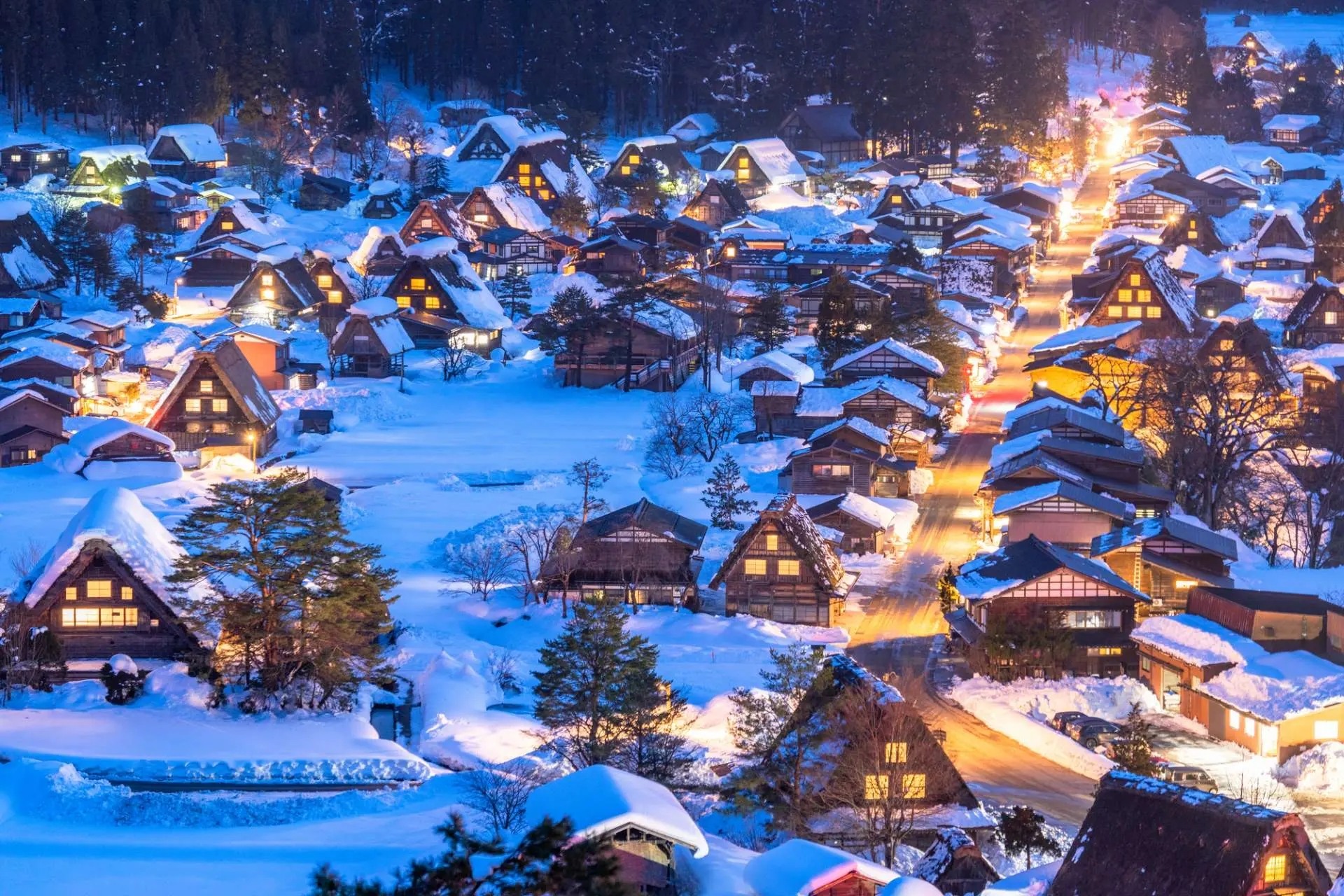
Shirakawa-go
Best Season: Winter
A UNESCO World Heritage site hidden in a mountainous region, Shirakawa-go is famous for its traditional gassho-zukuri farmhouses. The name means “constructed like hands in prayer,” referring to the steep thatched roofs designed to withstand heavy winter snowfall. It preserves a centuries-old communal lifestyle in perfect harmony with nature.
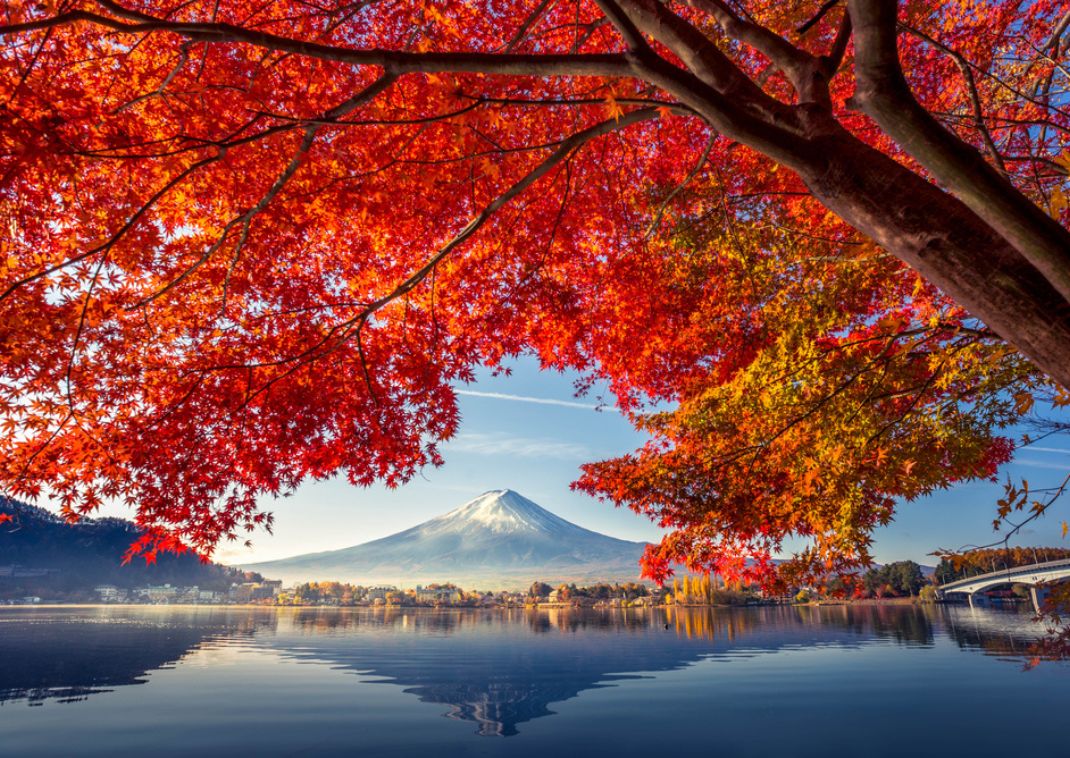
Mount Fuji & Lake Kawaguchiko
Best Season: Spring and Autumn
As Japan’s highest and most sacred mountain, Mount Fuji is a globally recognized cultural icon. The Chubu region offers some of the best vantage points, especially from Lake Kawaguchiko. Visitors can enjoy the stunning reflection of the symmetrical volcano on the calm lake surface, framed by beautiful seasonal nature.
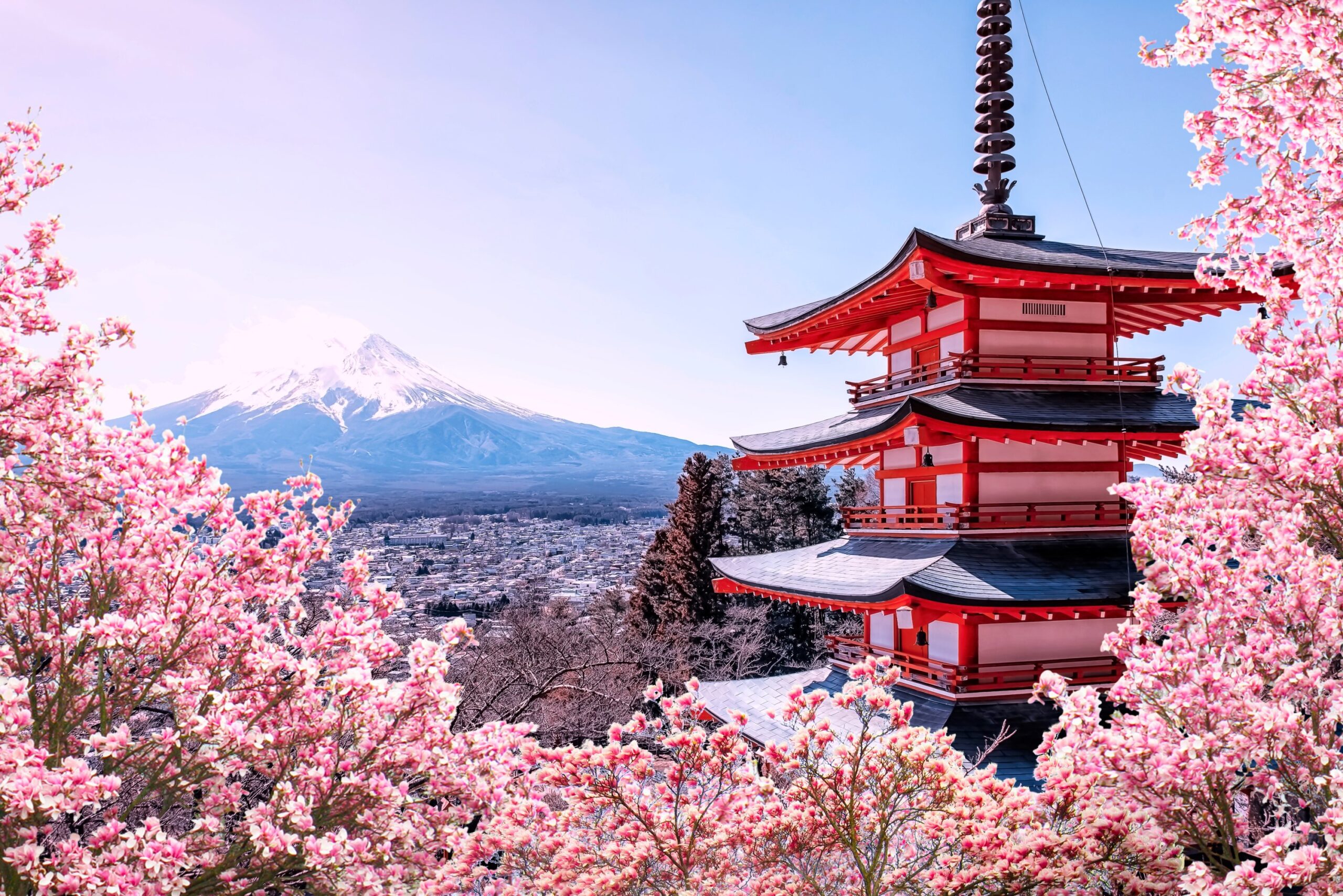
Arakurayama Sengen Park
Best Season: Spring and Autumn
Built in 1959 as a postwar peace memorial, the Chureito Pagoda in this park represents Japan’s soul. This hillside sanctuary became a global sensation by perfectly framing three national icons: Mount Fuji, the crimson pagoda, and cherry blossoms. It is a modern wonder.
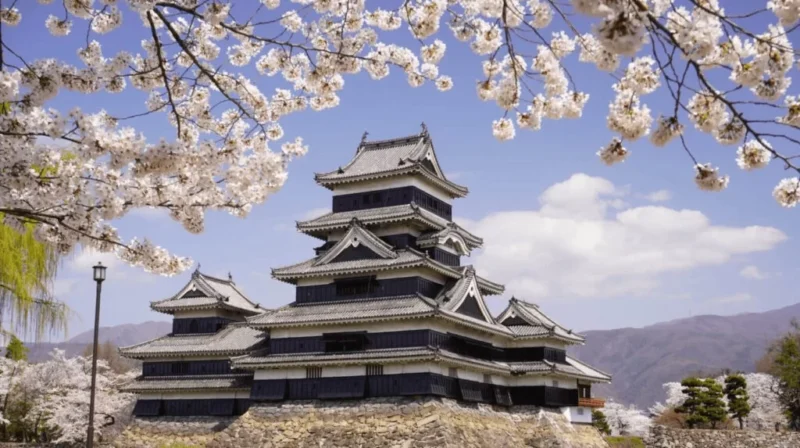
Matsumoto Castle
Best Season: Spring
Nicknamed the “Crow Castle” (Karasu-jo) because of its striking black wooden walls, Matsumoto Castle is one of Japan’s premier historic castles, featuring an original six-story main keep from the late 16th century. It is built on flat land rather than a mountain, surrounded by a picturesque moat and the dramatic Japanese Alps.
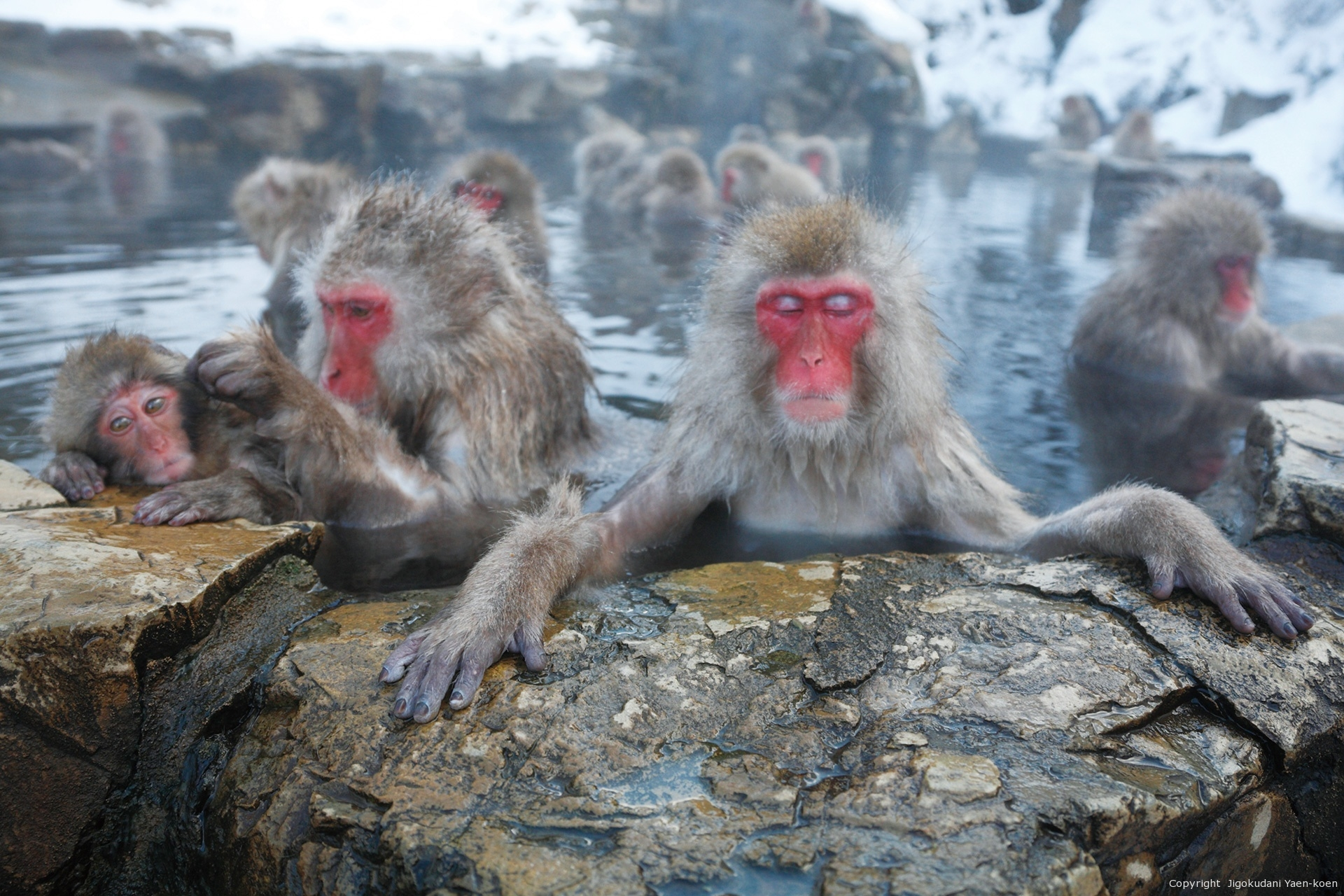
Jigokudani Monkey Park
Best Season: Winter
Located in the freezing forests of Yamanouchi, this world-famous park is the only place where wild Japanese Macaques—affectionately known as “Snow Monkeys”— soak in natural outdoor hot springs to stay warm. Visitors can observe these fascinating creatures up close, exhibiting deeply human-like expressions of pure relaxation.
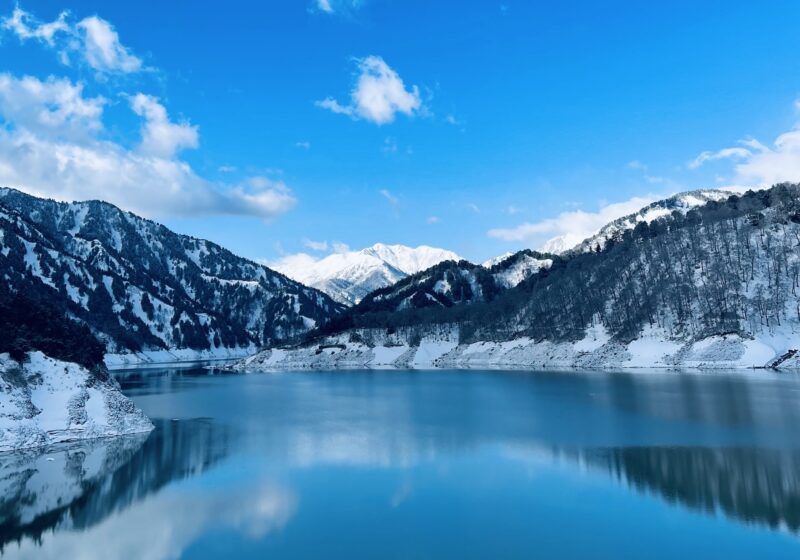
Tateyama Kurobe Alpine Route
Best Season: Spring and Early Summer
A spectacular mountain sightseeing route cutting directly through the Northern Japan Alps. The ultimate highlight is the “Yuki-no-Otani” (Great Valley of Snow) in spring, where massive snow walls reach heights of up to 20 meters. Travelers traverse this rugged wilderness using a unique series of cablecars, trolleybuses, and ropeways.
Hidden Spots
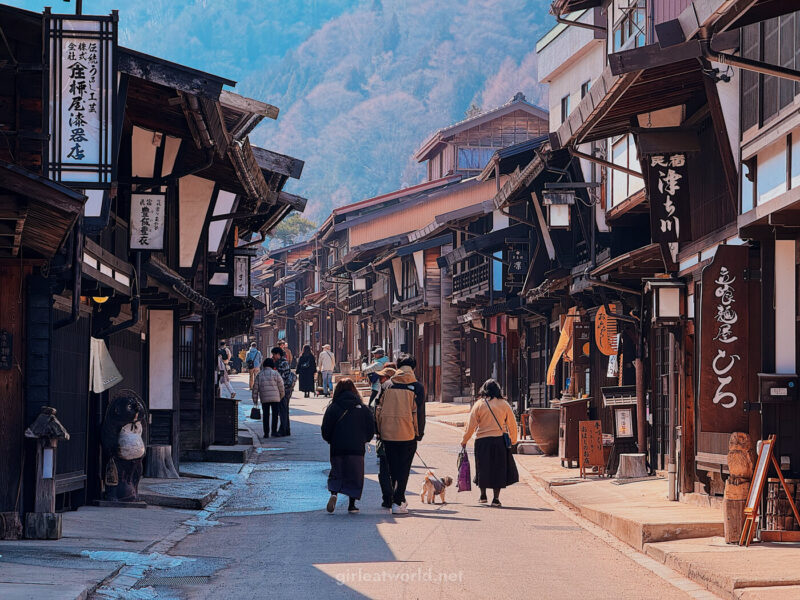
Narai-juku
Best Season: Spring and Autumn
Located along the historic Nakasendo trail, Narai-juku was the longest post town in feudal Japan, affectionately nicknamed “Narai of a Thousand Inns.” Tucked away in the forested Kiso Valley, it beautifully preserves a highly atmospheric one-kilometer stretch of wooden Edo-period buildings, offering a much quieter alternative to other tourist towns.
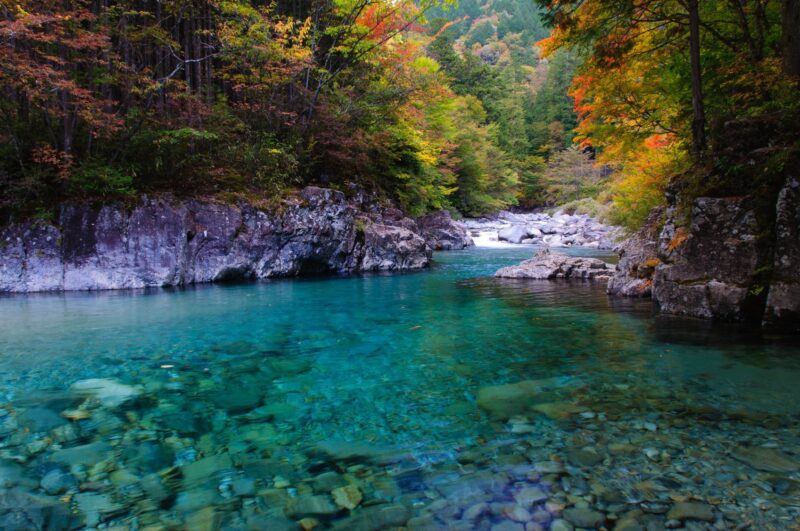
Atera Gorge
Best Season: Summer
Hidden deep within the Kiso region, this pristine valley is famous for its stunning river water, uniquely called “Atera Blue.” The river features a mesmerizing, glowing emerald and turquoise hue due to its exceptional clarity and the white granite riverbed. It is a true paradise for nature lovers seeking untouched wilderness.
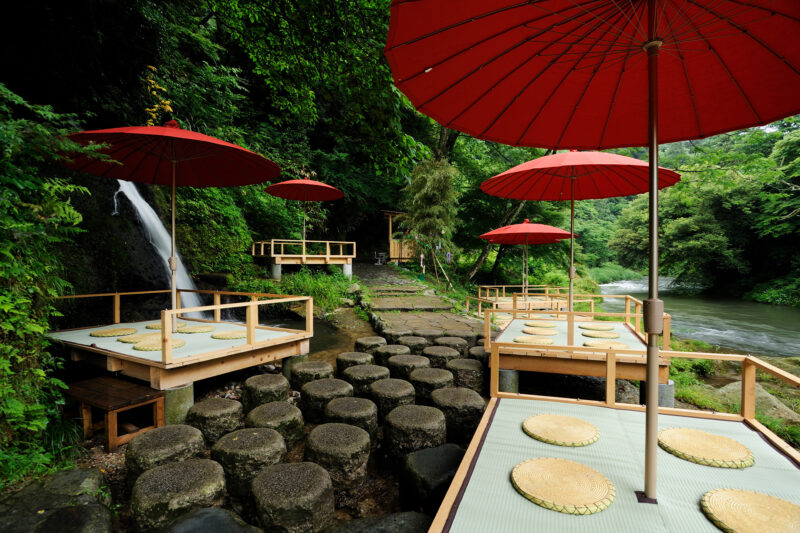
Kakusenkei Gorge
Best Season: May to November
Located along the Daishoji River in the historic Yamanaka Onsen town, Kakusenkei is a scenic 1.3-kilometer ravine regarded as the most beautiful gorge in the Hokuriku region. Visitors can stroll along a shady forest path, admire unique bridges like the S-shaped Ayatori Bridge, and enjoy matcha green tea at a seasonal riverside platform.
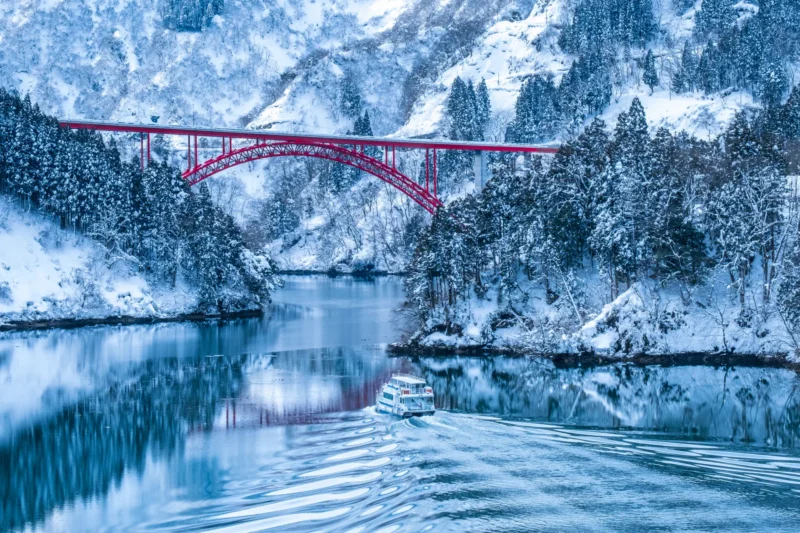
Shogawa Gorge Cruise
Best Season: Winter
Flowing through the mountains of Toyama, the Shogawa River offers a tranquil boat cruise through a deep, dramatic canyon. The landscape shifts gracefully with the seasons, but the winter is truly magical, as the boat glides through perfectly calm waters reflecting completely snow-covered mountains, leading toward a secluded hot spring inn accessible only by boat.
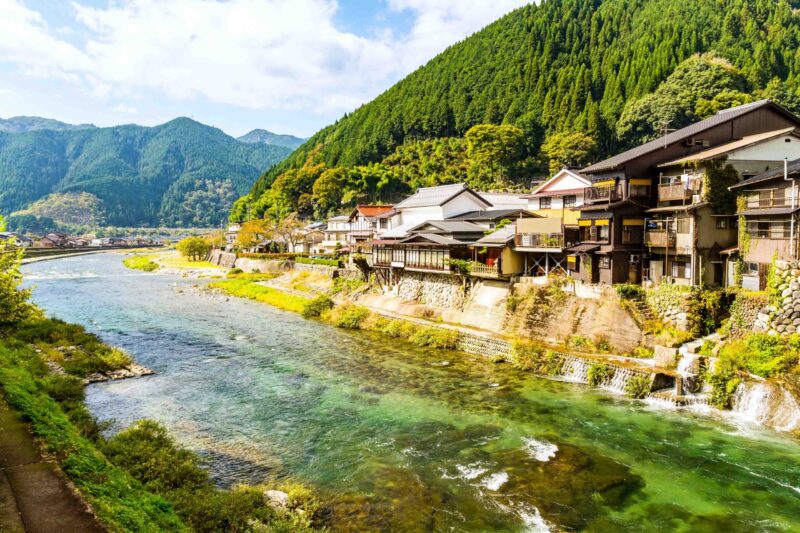
Gujo Hachiman
Best Season: Summer
Nestled in the mountains of Gifu, Gujo Hachiman is a charming, preserved riverside town famous for its pristine water system and canals that run directly beneath the historic streets. Locals still use these waterways for washing vegetables and fabric. In summer, it hosts Japan’s longest traditional dance festival, running for over thirty nights.
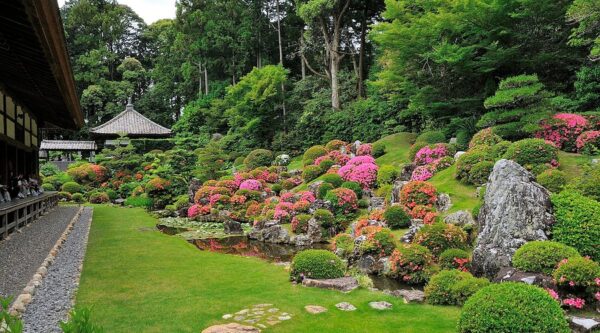
Ryutan-ji Temple
Best Season: Spring and Autumn
Located in Hamamatsu, Ryutan-ji is a profoundly peaceful Zen temple with over 1,300 years of history, deeply tied to the famous Ii samurai clan. The ultimate highlight is its spectacular rock and pond garden designed by the legendary landscape architect Kobori Enshu, which transforms into a brilliant palette of colors in autumn.
Must Try Foods
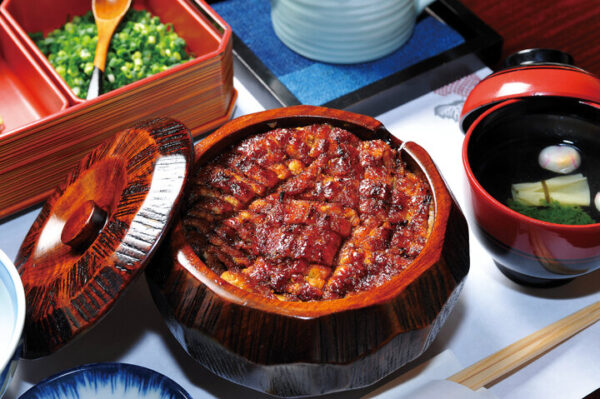
Hitsumabushi
A unique Nagoya specialty featuring finely chopped charcoal-grilled eel served over a warm bowl of rice. It is traditionally enjoyed in three distinct steps: first plain, second with flavor-enhancing condiments like wasabi and green onions, and finally as a comforting ochazuke with warm dashi broth poured over the remaining rice.
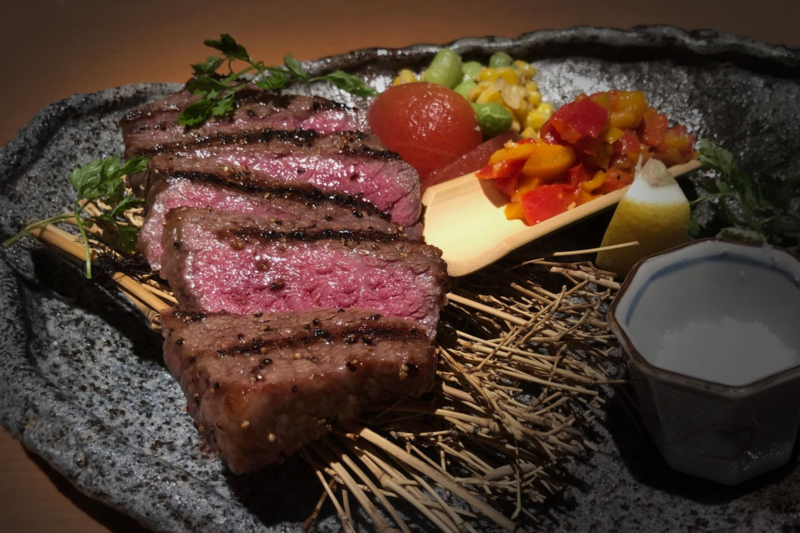
Hida Beef
A world-class wagyu beef brand from Gifu Prefecture, raised in the pristine alpine air and pure water of the Japanese Alps. Famous for its beautiful, intense marbling, it is exceptionally tender and melts effortlessly in the mouth. It is highly popular as steak, shabu-shabu, or grilled on a hoba (magnolia) leaf with miso.
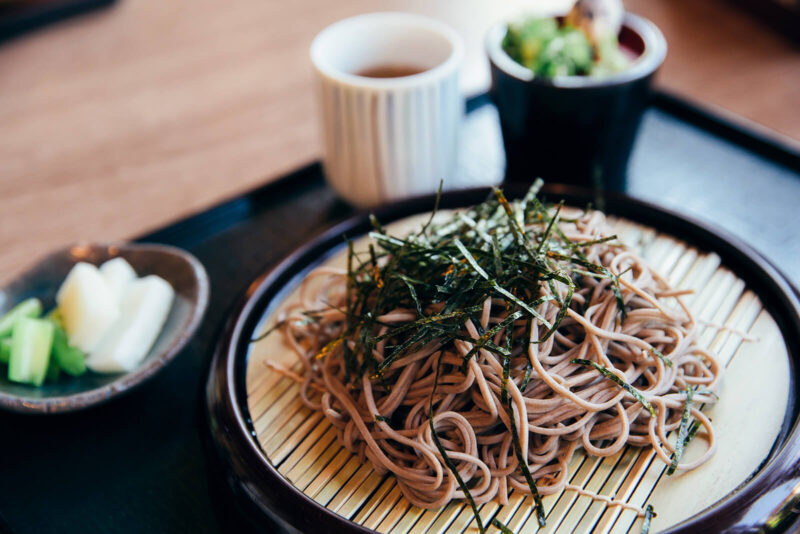
Shinshu Soba
Nagano Prefecture (historically known as Shinshu) is recognized as Japan’s capital for high-quality buckwheat noodles. The high altitude, cool volcanic climate, and pure mountain spring water create the perfect environment for growing rich, aromatic buckwheat, resulting in hand-crafted noodles with a distinctively refreshing texture and earthy flavor.
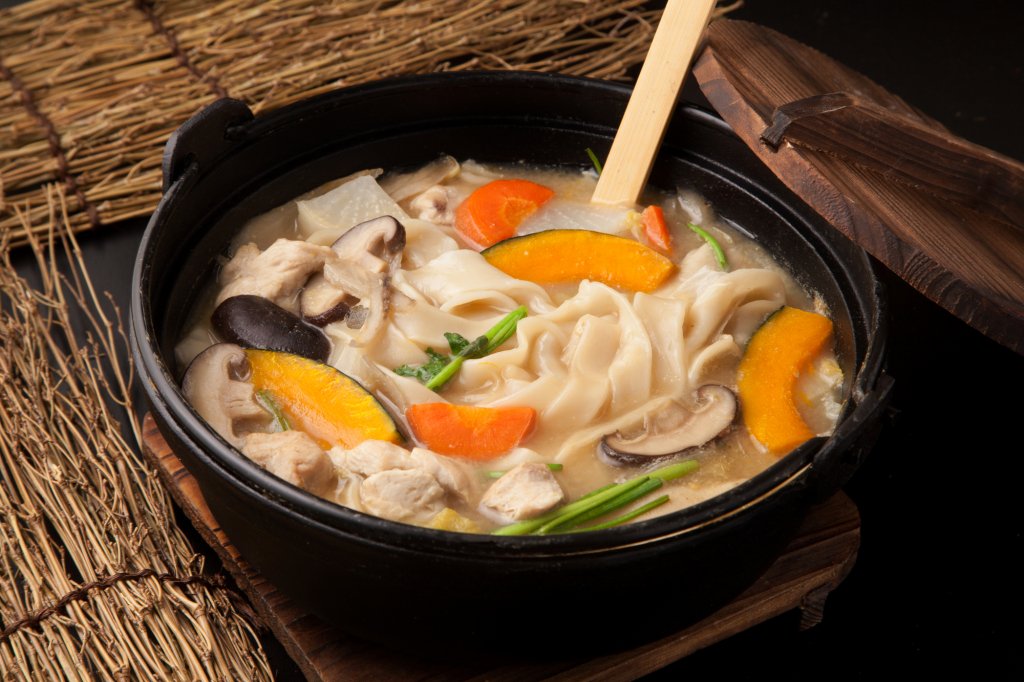
Yamanashi Hoto Noodles
A deeply comforting, hearty flat noodle dish from Yamanashi Prefecture. Unlike traditional udon, the thick flat wheat noodles are simmered raw directly in a rich, savory miso broth alongside local seasonal vegetables, dominated by sweet pumpkin. Legend says it was eaten by legendary samurai warlord Takeda Shingen before battles.
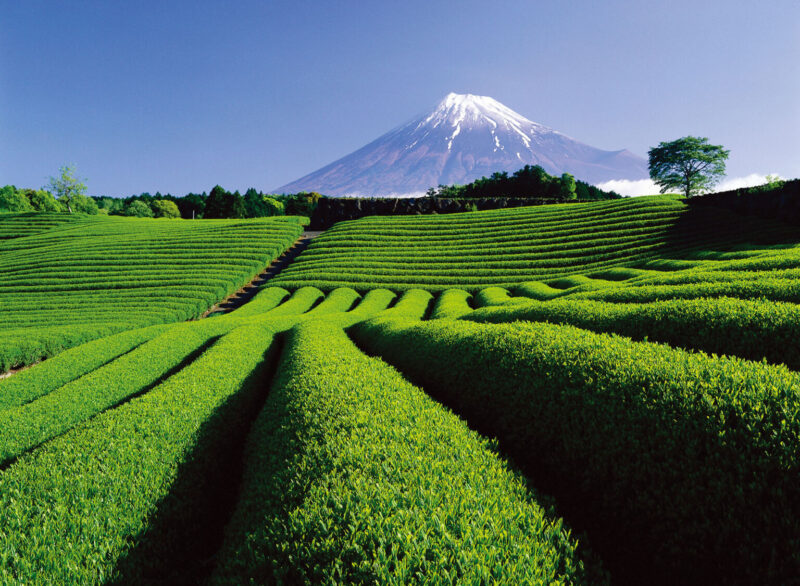
Shizuoka Green Tea
Shizuoka is Japan’s largest and most famous green tea producing region, blessed with volcanic nutrients from Mount Fuji and optimal sunshine. Producing everything from deep-steamed sencha to premium matcha, a cup of authentic Shizuoka green tea offers a perfect, refreshing balance of vibrant astringency and deep, sweet umami flavors.
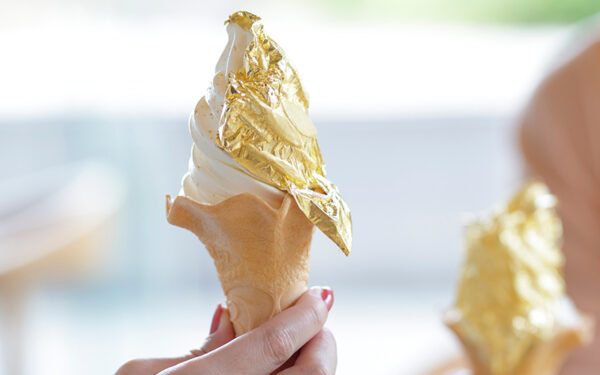
Kanazawa Gold Leaf Soft-Serve
Kanazawa produces over 99% of Japan’s gold leaf, utilizing a centuries-old cultural technique of flattening gold to microscopic thinness. To celebrate this luxury heritage, visitors can enjoy a decadent soft-serve ice cream wrapped completely in a whole, shimmering sheet of edible gold leaf, making it an incredibly luxurious and globally photogenic dessert.