
ATTRACTION BY AREA
Chugoku
Chugoku is a beautiful, fascinating region bridging Japan’s main island to Kyushu, defined by stunning coastal beauty and profound history. From the peaceful Seto Inland Sea to spiritual shrines, it offers a deeply moving traditional journey.
- Contrasting Coastal Landscapes
- Birthplace of Japanese Mythology
- Global Symbol of Peace and Resilience
- Spectacular Architectural Marvels
- Preserved Historic Towns and Ancient Crafts
Must Visit Spots
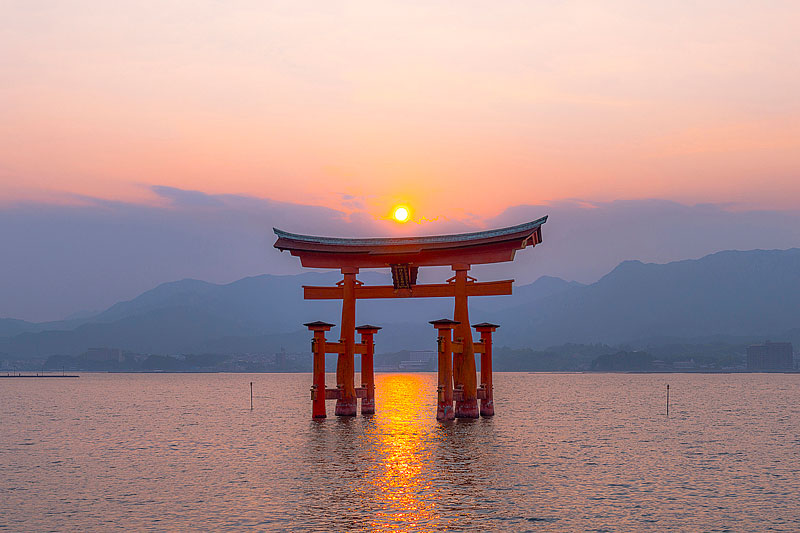
Itsukushima Shrine
Best Season: Year-round
A UNESCO World Heritage site located on Miyajima, the “Island of Gods.” It is globally famous for its monumental vermilion torii gate that appears to float on the sea during high tide. The elegant 12th-century shrine complex is built over the water, seamlessly blending pristine nature with remarkable Shinto architecture.
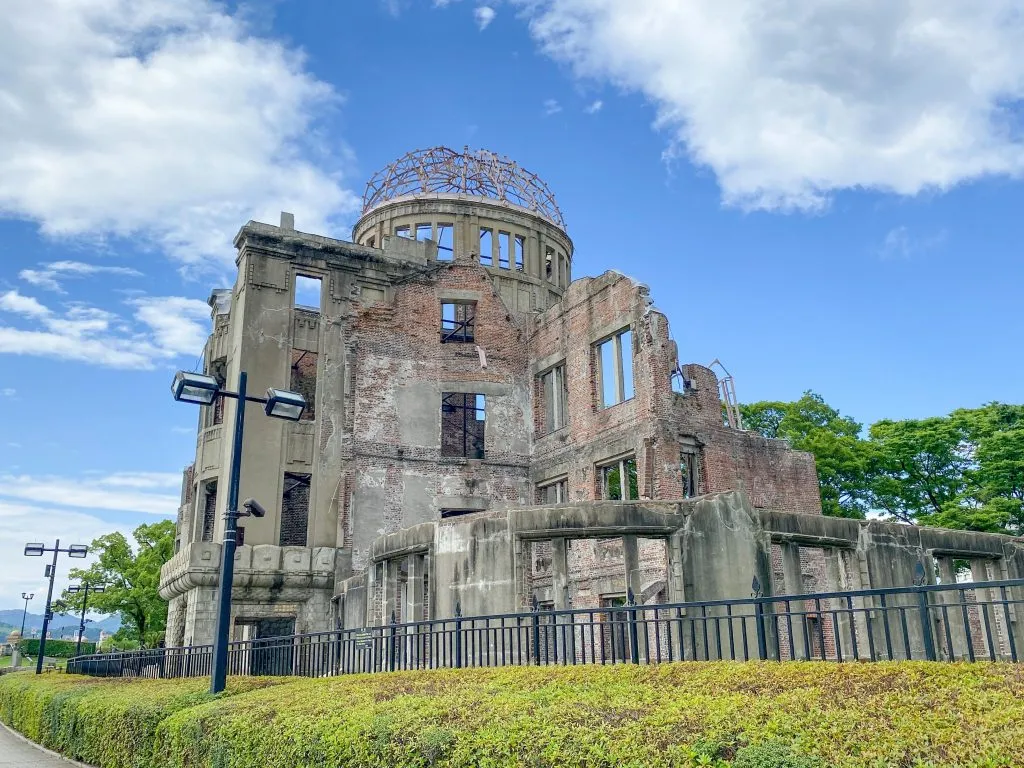
Hiroshima Peace Memorial Park
Best Season: Year-round
A profound symbol of global peace, this memorial park sits at the epicenter of the 1945 atomic bombing. It houses the hauntingly preserved A-Bomb Dome, a UNESCO World Heritage site, alongside an emotionally powerful museum. It offers a deeply moving experience that champions hope, resilience, and nuclear disarmament.
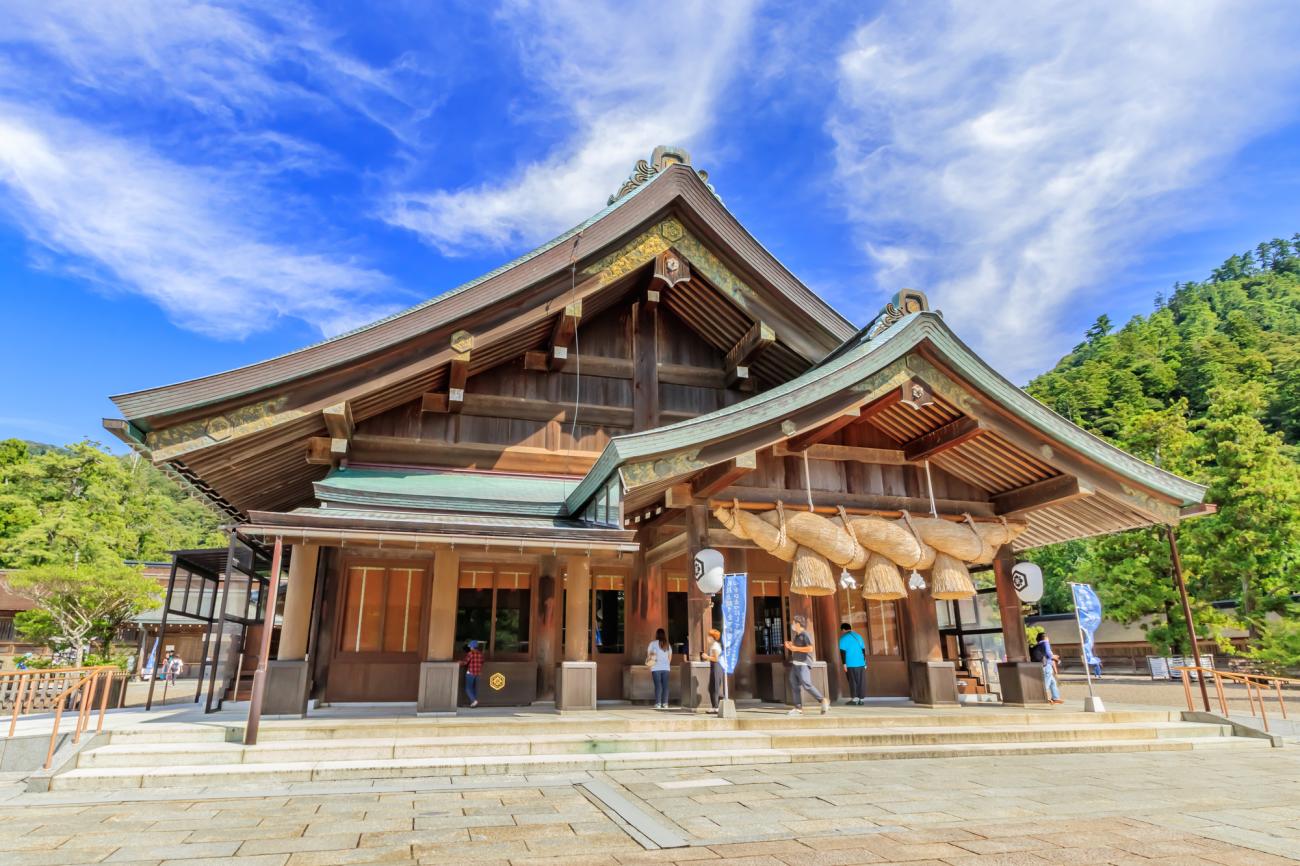
Izumo Taisha Shrine
Best Season: November
Believed to be one of Japan’s oldest and most important Shinto shrines, it is dedicated to the deity of marriage and good fortune. According to ancient mythology, all the gods of Japan gather here for a sacred council every November. The shrine features the country’s largest “shimenawa” (sacred straw rope).
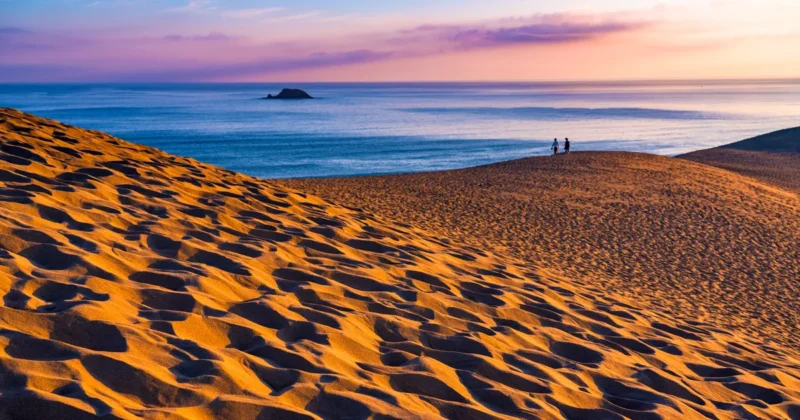
Tottori Sand Dunes
Best Season: Spring and Autumn
Spanning 16 kilometers along the Sea of Japan coast, these are the largest sand dunes in Japan, sculpted over millennia by coastal winds and volcanic ash. Visitors can enjoy thrilling camel rides, sandboarding, or simply marvel at the dramatic, sweeping ocean views from the towering 50-meter-high sandy peaks.
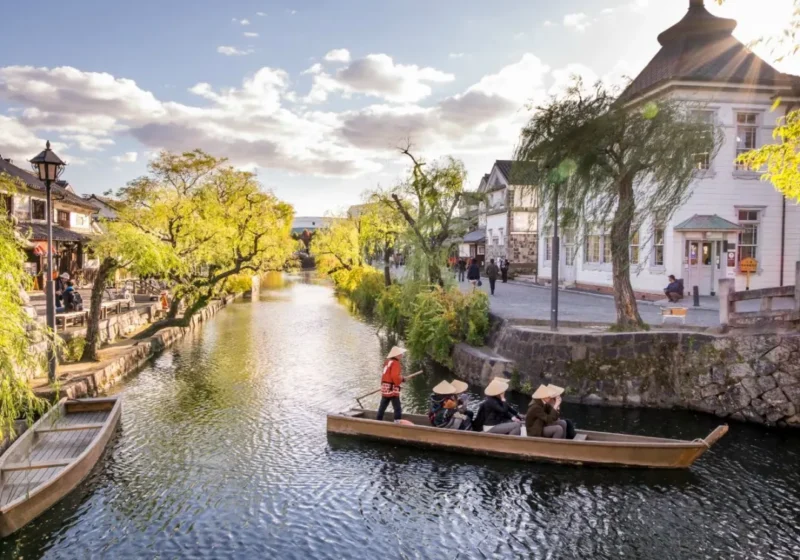
Kurashiki Bikan Historical Quarter
Best Season: Spring and Autumn
Kurashiki served as an important rice distribution center during the Edo period. Today, its historic canal district beautifully preserves traditional white-walled storehouses (kura) and picturesque weeping willow trees. Visitors can take a scenic boat ride along the canal and explore charming alleys filled with local crafts and cafes.
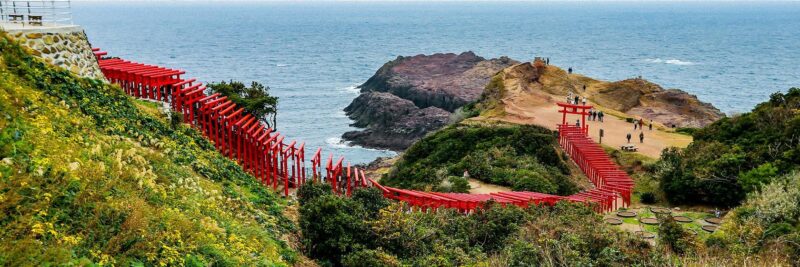
Motonosumi Shrine
Best Season: May to October
Overlooking the Sea of Japan, this visually stunning shrine features 123 bright red torii gates winding dramatically down a lush green cliff toward the crashing ocean waves. The spectacular color contrast has earned it global recognition as one of Japan’s most beautiful and photogenic coastal spiritual sites.
Hidden Spots
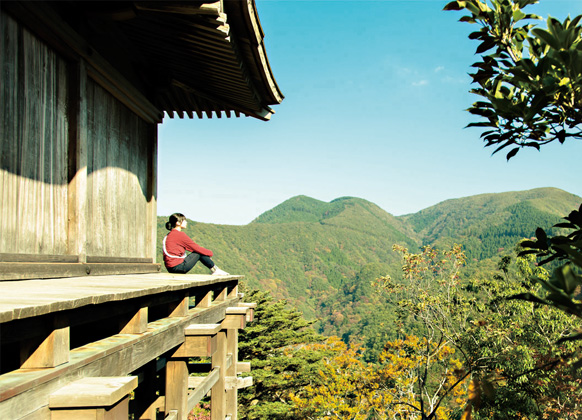
Mitokusan Sanbutsu-ji Temple Nageire-do
Best Season: Spring to Autumn
Perched precariously inside a deep cavity on a vertical cliff face 520 meters up Mount Mitoku, Nageire-do is a designated National Treasure and Japan’s most dangerous architectural wonder. Legend says the temple’s founder used supernatural Buddhist powers to “throw” the wooden structure into the mountain. Reaching it requires a rigorous hike over raw tree roots and steep rocks.
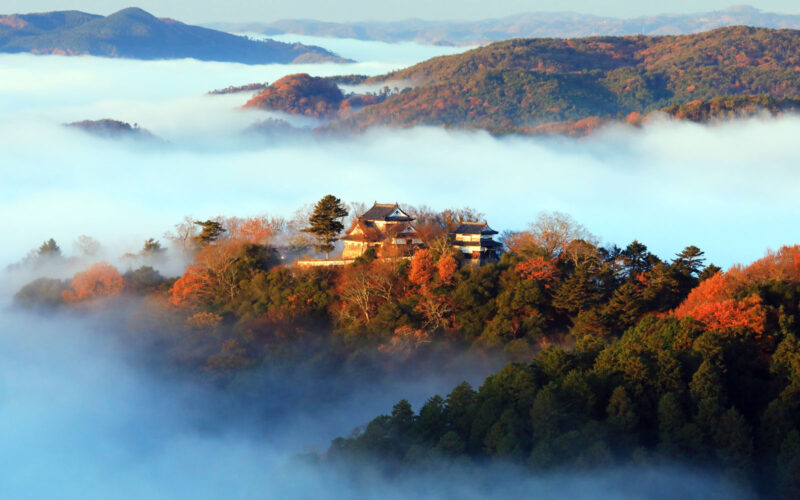
Bitchu Matsuyama Castle
Best Season: Year-round
Constructed in 1240 atop Mount Gakuyu at an elevation of 430 meters, Bitchu Matsuyama Castle is the highest castle in Japan with an surviving original keep. It is the only mountaintop castle (yamajiro) among Japan’s twelve remaining original fortresses. On autumn mornings, it appears to float perfectly above a vast sea of clouds.
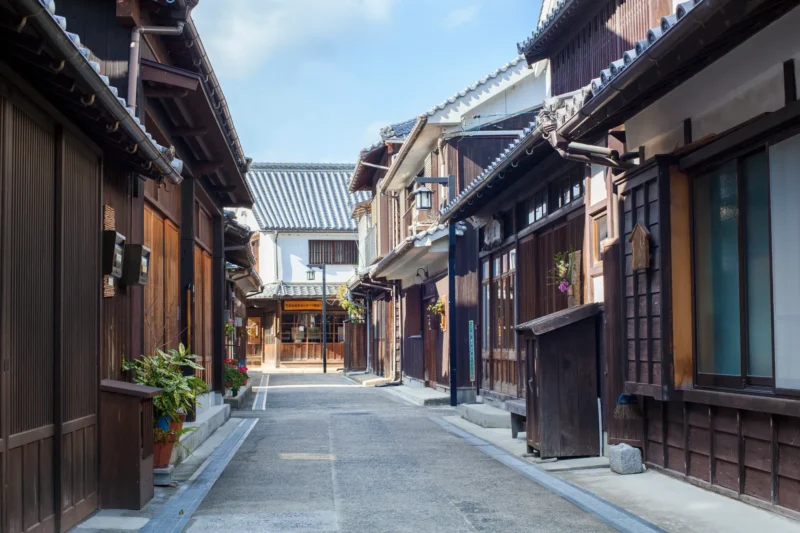
Mitarai Historic District on Osakashimojima
Best Season: Year-round
Located on a small island along the Tobishima Kaido, Mitarai was a bustling, critical port town during the Edo period where ships waited for favorable tides and winds. Because the island was isolated for decades before modern bridges were built, the charming town perfectly preserved its ancient wooden teahouses, shrines, and traditional sea walls.
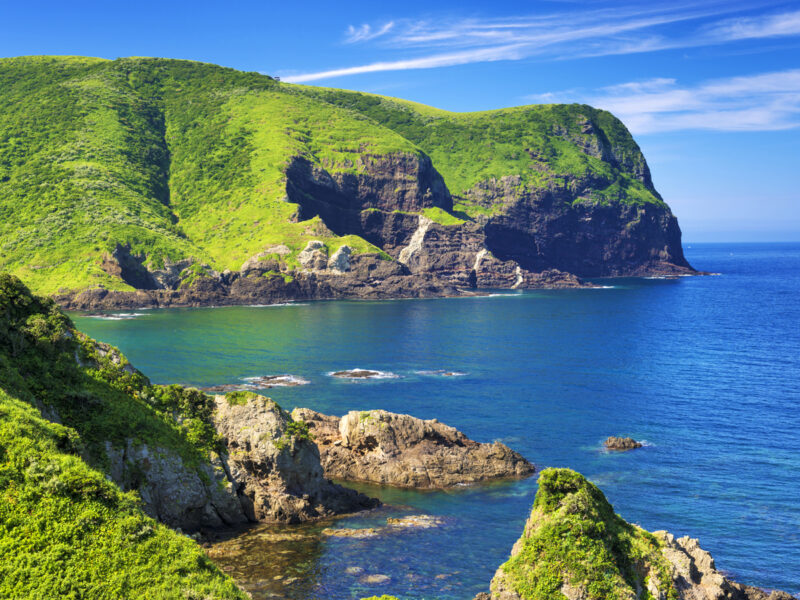
Kuniga Coast on the Oki Islands
Best Season: May to September
The Oki Islands, a registered UNESCO Global Geopark in the Sea of Japan, offer some of the country’s most dramatic coastal geology. The ultimate highlight is the Kuniga Coast, featuring the towering Maten-gai cliff, which rises 257 meters vertically out of the ocean. Cows and horses graze freely atop the lush green fields bordering the sheer drops.
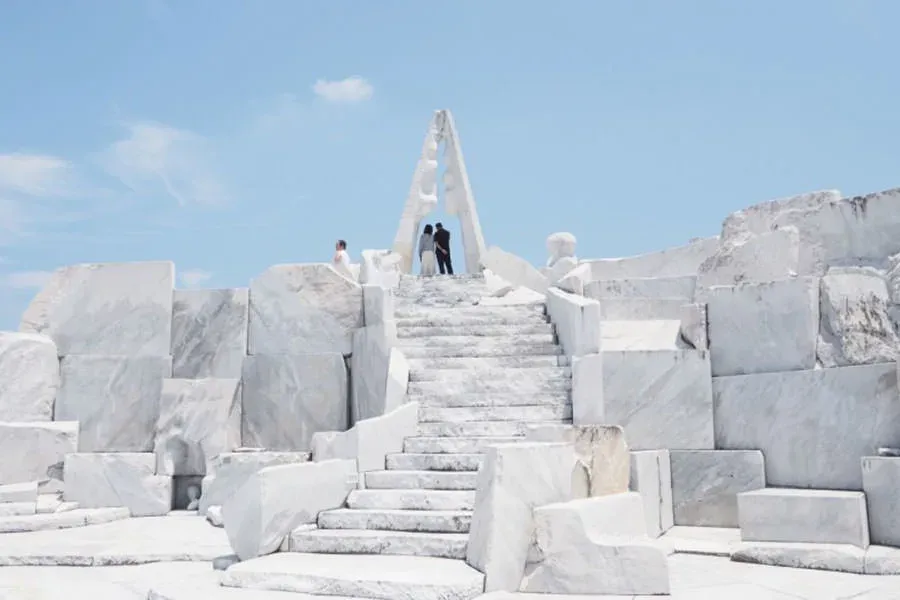
The Hill of Hope at Kosan-ji Temple
Best Season: Year-round
Situated on Ikuchijima Island within the colorful Kosan-ji Temple complex, the Hill of Hope (Mirai-shin no Oka) is a spectacular, 5,000-square-meter contemporary monument. Designed by world-renowned sculptor Kazuto Kuetani, it is built entirely from 3,000 tons of pristine, dazzling white marble quarried in Italy, creating a surreal Mediterranean atmosphere inside Japan.
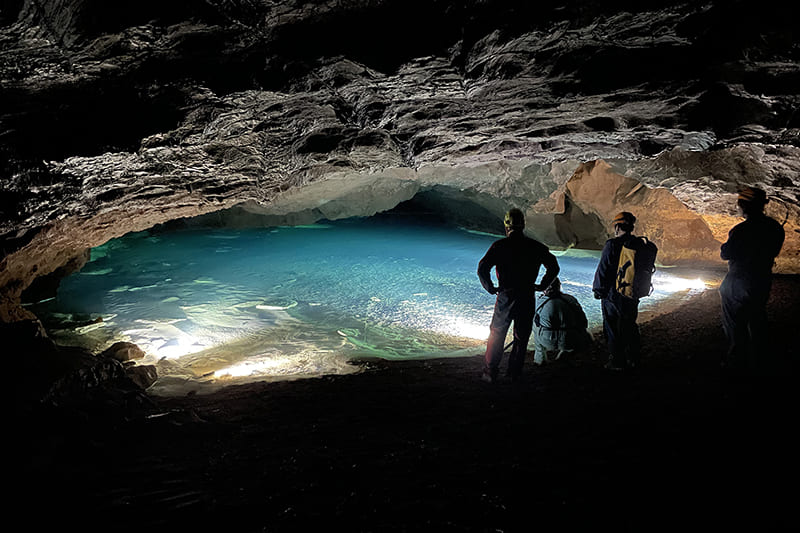
Akiyoshido Cave
Best Season: Year-round
Located directly underneath the vast Akiyoshidai Karst Plateau, Akiyoshido is Japan’s largest and most magnificent limestone cave. Stretching for over 10 kilometers, with 1 kilometer open to the public, the cave features towering 80-meter ceilings, rushing underground rivers, and spectacular geologic formations like the “One Hundred Plates” terraces formed over millions of years.
Must Try Foods
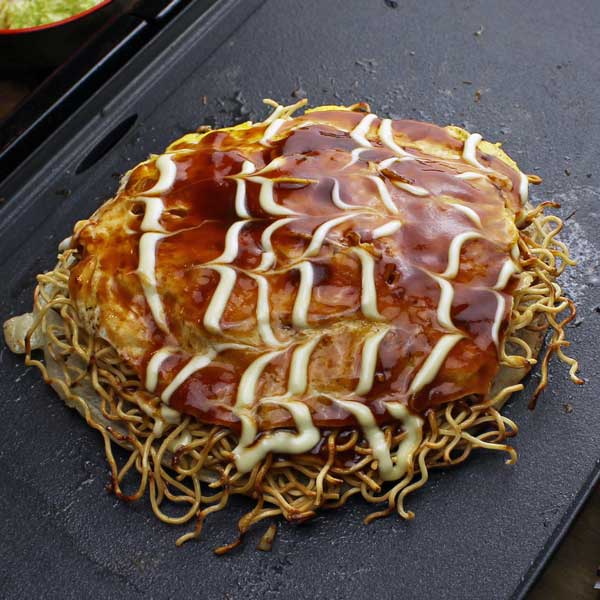
Hiroshima Okonomiyaki
Unlike the Osaka style where ingredients are mixed into the batter, Hiroshima Okonomiyaki is a masterpiece of layered cooking. Chefs start with a thin, crepe-like batter and expertly stack mountains of shredded cabbage, pork belly, yakisoba noodles, and a fried egg on a flat iron griddle, topped with a rich, savory-sweet sauce.
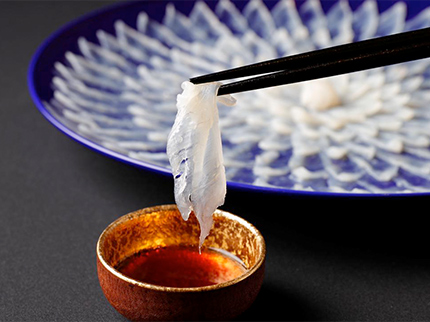
Shimonoseki Fugu
Shimonoseki in Yamaguchi Prefecture is recognized globally as the premier capital for “Fugu” (pufferfish). Prepared only by elite, licensed master chefs, the fish is famously sliced paper-thin and arranged beautifully to resemble a blooming chrysanthemum flower. It features an incredibly clean, sophisticated flavor profile and a delightfully firm texture.
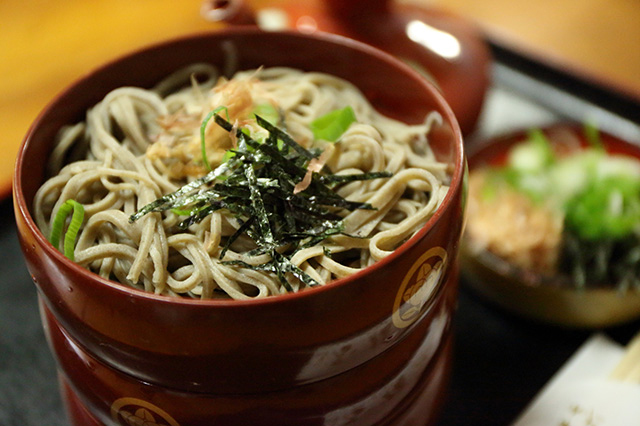
Izumo Soba
Ranked as one of Japan’s Three Great Soba varieties, Izumo Soba is deeply rooted in the ancient Shinto culture of Shimane. Because the buckwheat seeds are ground entirely with their dark outer husks intact, the hand-crafted noodles have a distinctly dark color, a rustic chewy texture, and a profoundly powerful, earthy aroma.
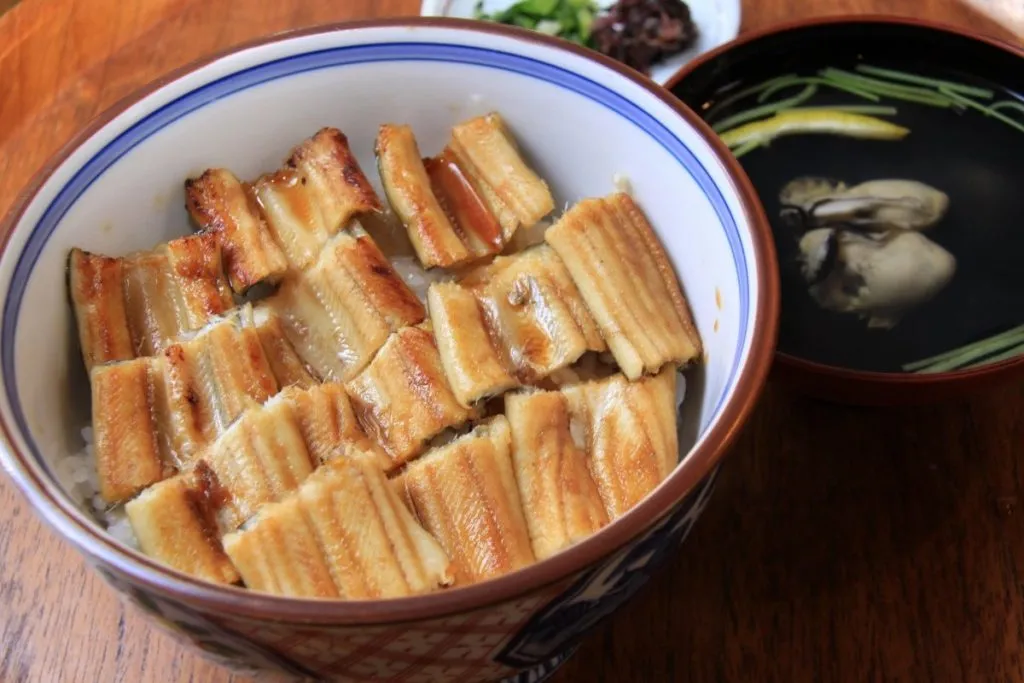
Miyajima Anagomeshi
A historic coastal delicacy originating as a popular train bento box near Miyajima island during the Meiji period. It features fresh conger eel (anago) that is grilled over charcoal with a special sweet soy sauce glaze. The tender, smoky fillets are sliced and served over a bed of warm rice cooked in rich, flavorful eel broth.
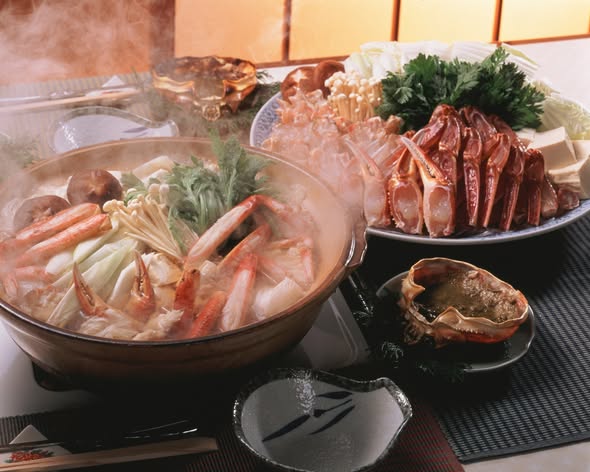
Tottori Matsuba Crab
“Matsuba-gani” is the prestigious local name given to adult male snow crabs caught in the cold, nutrient-rich depths of the Sea of Japan off the coast of Tottori. Highly prized as a winter luxury, it is famous for its densely packed, intensely sweet meat and rich, flavorful tomalley (crab miso) found inside the shell.
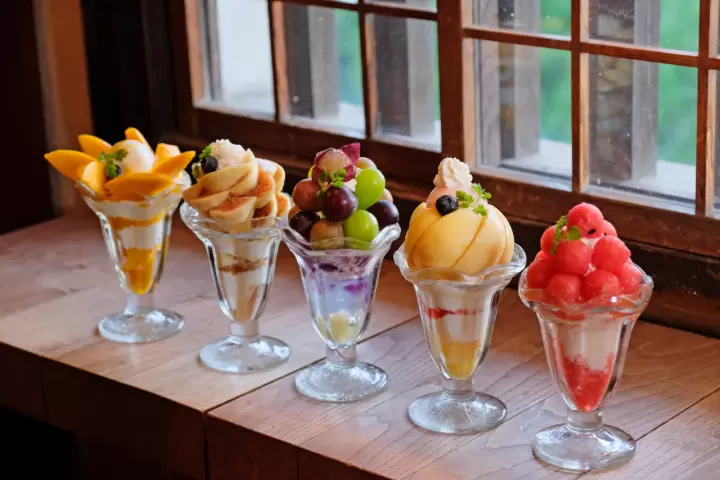
Okayama Fruit Parfait
Blessed with a mild climate and abundant sunshine, Okayama is proudly celebrated as Japan’s “Fruit Kingdom.” To showcase their world-class produce, local cafes craft incredibly decadent parfaits layered with freshly harvested, high-end white peaches and crisp, seedless Shine Muscat grapes, paired with premium cream and ice cream.