
ATTRACTION BY AREA
Shikoku
Shikoku is a peaceful, enchanting island renowned for its pristine natural beauty and deep spiritual heritage. Famous for the ancient eighty eight temple pilgrimage, it offers stunning river valleys, historic castles, and vibrant traditional summer festivals.
- Profound Spiritual Heritage and Pilgrimage
- Untouched Natural Wilderness and Crystal Rivers
- Mild Maritime Climate and Island-Hopping Charm
- Vibrant Traditional Festivals and Modern Art
- Distinct Noodle and Rich Citrus Gastronomy
Must Visit Spots
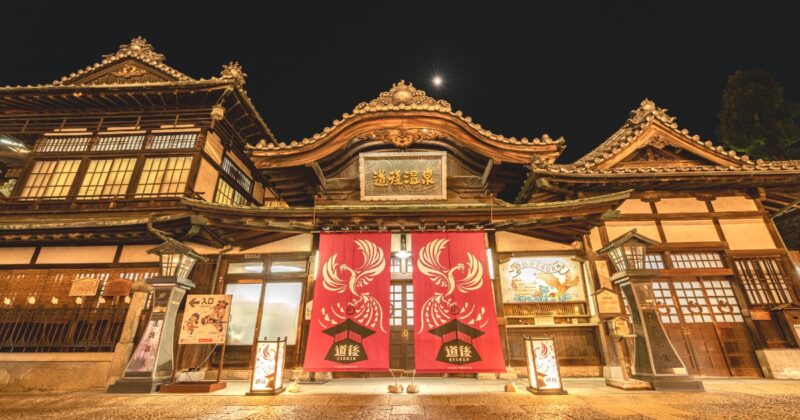
Dogo Onsen
Best Season: Winter
Boasting a history of over 3,000 years, Dogo Onsen is considered Japan’s oldest hot spring. Its iconic wooden public bathhouse, complete with labyrinthine corridors and traditional tatami rooms, served as a major inspiration for Studio Ghibli’s acclaimed film “Spirited Away.”
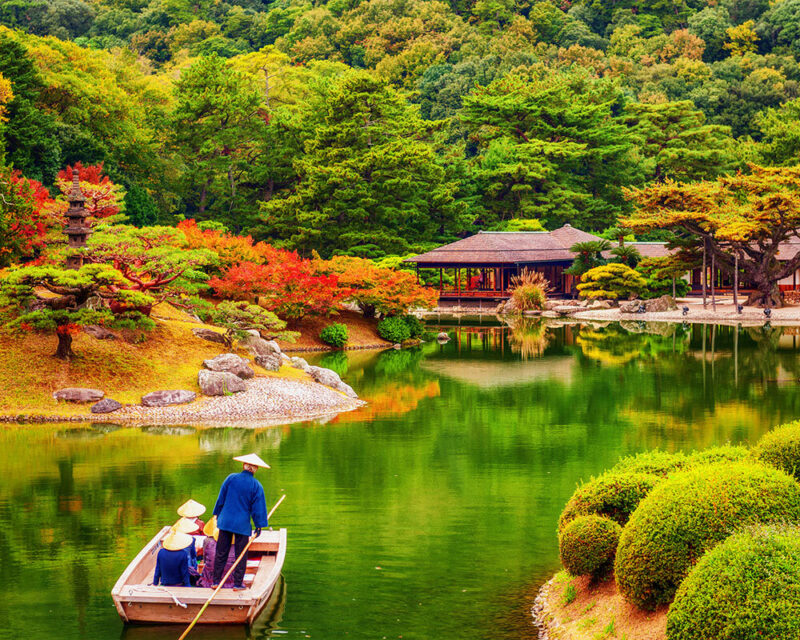
Ritsurin Garden
Best Season: Spring and Autumn
Designated as a Special Place of Scenic Beauty, Ritsurin Garden is a masterpiece of Japanese landscape design completed by feudal lords over 100 years. Featuring serene ponds, historic teahouses, and carefully manicured pine trees, it perfectly frames the backdrop of Mount Shiun.
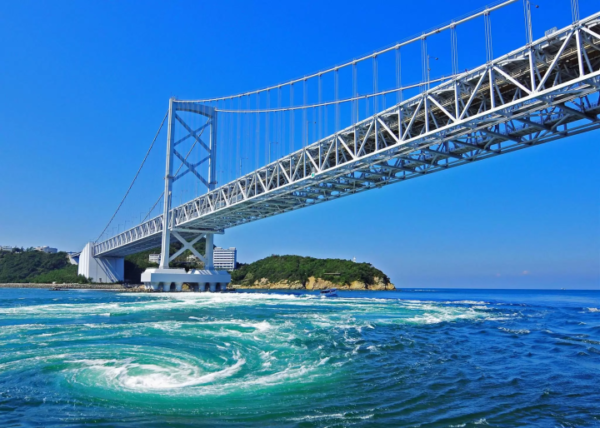
Naruto Whirlpools
Best Season: Spring and Autumn
Occurring in the narrow Naruto Strait between Shikoku and Awaji Island, these are some of the largest and fastest tidal whirlpools in the world. Visitors can view the dramatic swirling currents from sightseeing cruise boats or through glass panels on a bridge constructed directly above the water.
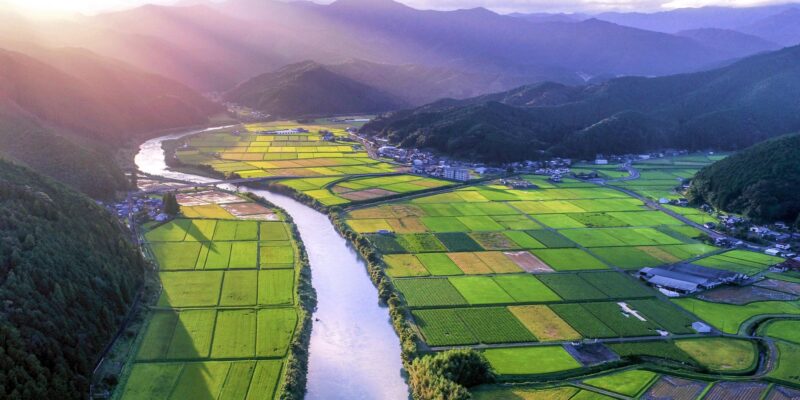
Shimanto River
Best Season: Summer and Autumn
Revered as “Japan’s last pristine clear stream,” the Shimanto River flows for 196 kilometers through lush mountain valleys without a single large-scale dam. It is famous for its unique “chinkabashi”—submersible bridges lacking side rails, designed to gracefully sink underwater during floods without being destroyed.
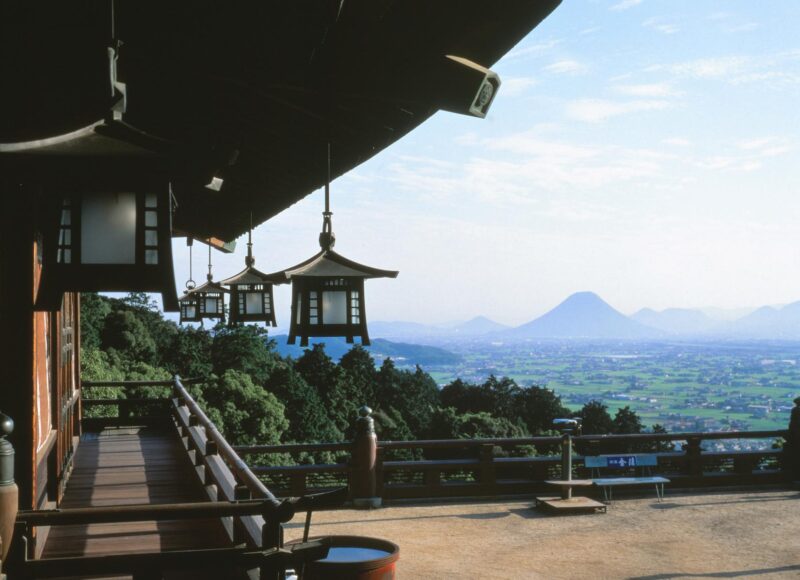
Kotohira-gu Shrine
Best Season: Spring and Autumn
Affectionately called “Konpira-san,” this deeply historic shrine complex is dedicated to the guardian deity of seafarers. Reaching the main hall requires a monumental hike up 785 stone steps, while the inner shrine demands 1,368 steps. The arduous climb is rewarded with breathtaking panoramic views of the Kagawa plains.
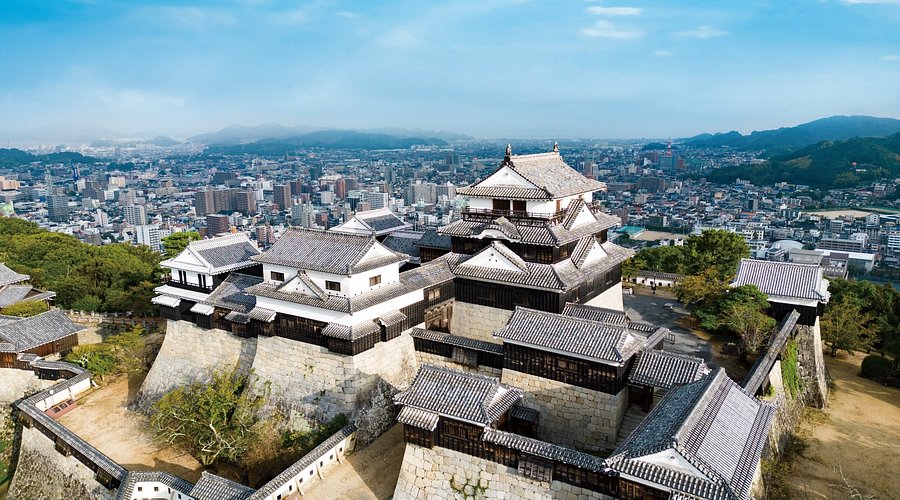
Matsuyama Castle
Best Season: Spring
Perched high on Mount Katsuyama, this is one of Japan’s twelve remaining original castles. Completed in 1627, the complex features a formidable multi-tiered keep and highly sophisticated defense systems. Visitors can take a scenic ropeway up the mountain and explore the authentic wooden interiors of the samurai fortress.
Hidden Spots
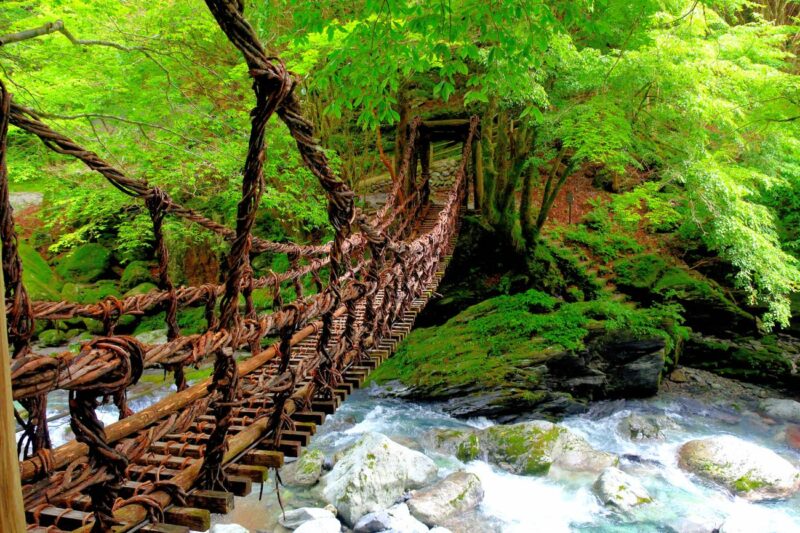
Iya Valley
Best Season: Autumn
Tucked deep within the mountainous heart of Tokushima, the Iya Valley is celebrated as one of Japan’s three most remote “hidden” regions. Steeped in legends of defeated 12th-century samurai who hid here, it is famous for its “Kazurabashi”—a thrilling bridge woven entirely from native mountain vines that sways gently over an emerald green river.
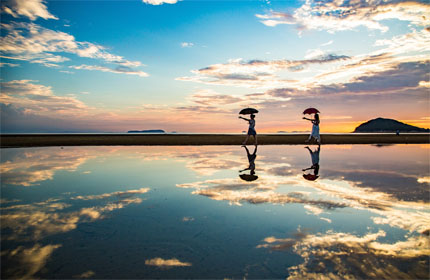
Chichibugahama Beach
Best Season: Spring to Autumn
Spanning one kilometer along the coast of Mitoyo, Chichibugahama Beach has achieved international fame as “Japan’s Uyuni Salt Flat.” When the wind dies down during low tide at sunset, the shallow tidal pools turn into a flawless natural mirror, reflecting the brilliant colors of the sky and creating breathtaking optical illusions.
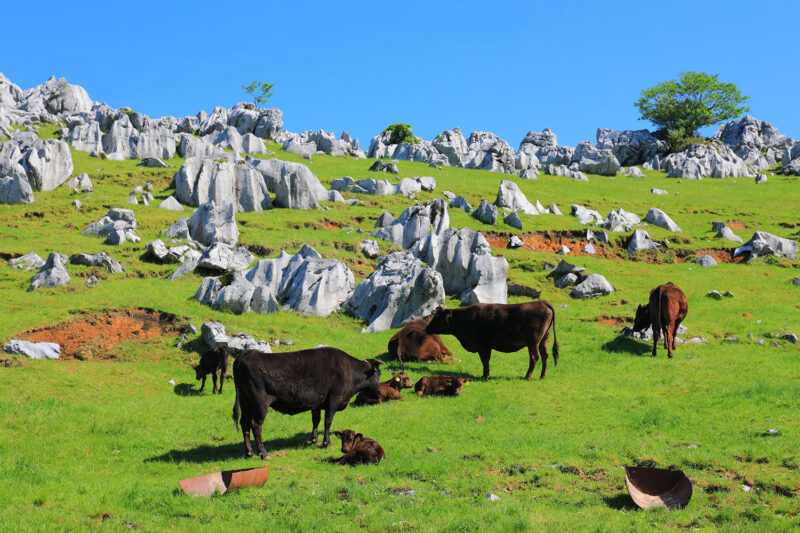
Shikoku Karst
Best Season: May to October
Straddling the border of Ehime and Kochi at elevations between 1,000 and 1,400 meters, this is one of Japan’s three major karst landforms. The sweeping, high-altitude plateau features a surreal landscape of brilliant white limestone rocks and sinkholes scattered across rolling green meadows, where cows graze peacefully against a backdrop of clouds.
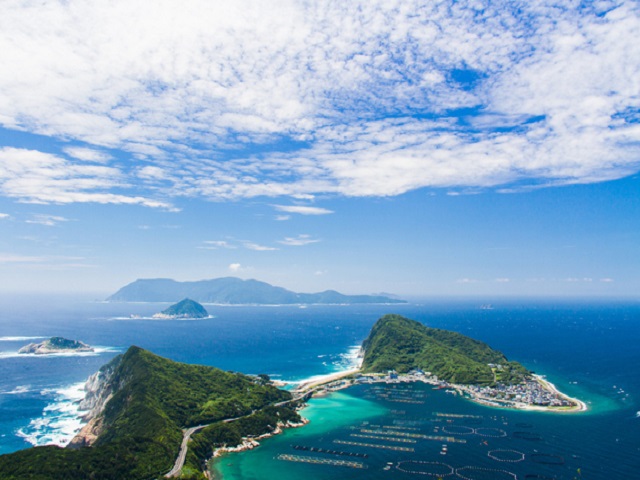
Kashiwajima Island
Best Season: Summer
A tiny, secluded island connected by a bridge to the southwestern tip of Kochi, Kashiwajima is a paradise blessed with legendary water clarity. The ocean is so transparent that fishing boats resting in the bay cast clear shadows on the white sandy seabed below, making them look as if they are floating in midair. It is also home to thousands of species of tropical fish and coral.
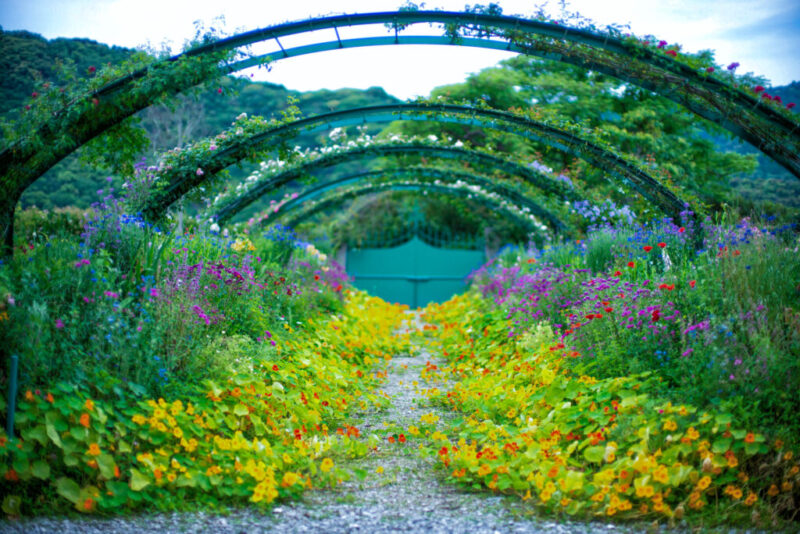
Monet’s Garden Marmottan in Kitagawa Village
Best Season: June to October
Located in a small village in Kochi, this is the only garden in the world authorized to share the name of the legendary Impressionist master Claude Monet outside of France. The local landscape designers spent years meticulously replicating Monet’s original oasis in Giverny, even successfully cultivating the rare blue water lilies that Monet dreamed of but could never grow in the colder French climate.
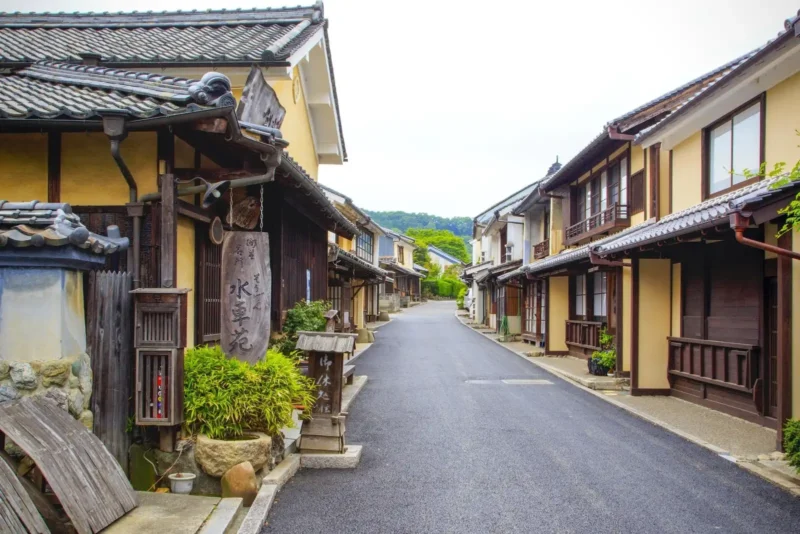
Uchiko Town
Best Season: Year-round
During the late Edo and Meiji periods, Uchiko flourished internationally as a wealthy production center for traditional Japanese wax (haze) and fine hand-crafted paper. Today, its Yokaichi-Gokoku district perfectly preserves a 600-meter long street of grand merchant pale-yellow and white-walled residences, featuring a stunning historic Kabuki theater still operating today.
Must Try Foods
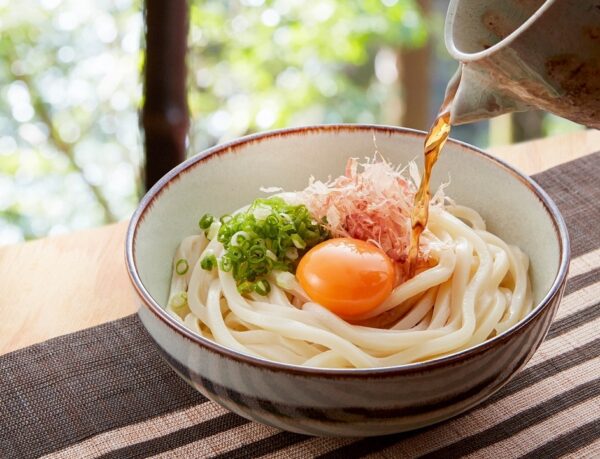
Sanuki Udon
Kagawa Prefecture is so deeply obsessed with these thick wheat noodles that it is officially nicknamed “Udon Kingdom.” Legend says the famous Buddhist monk Kobo Daishi brought the recipe from China. It features an extraordinarily firm, chewy texture and a slippery, smooth bite, traditionally paired with a clean dashi broth made from dried sardines.
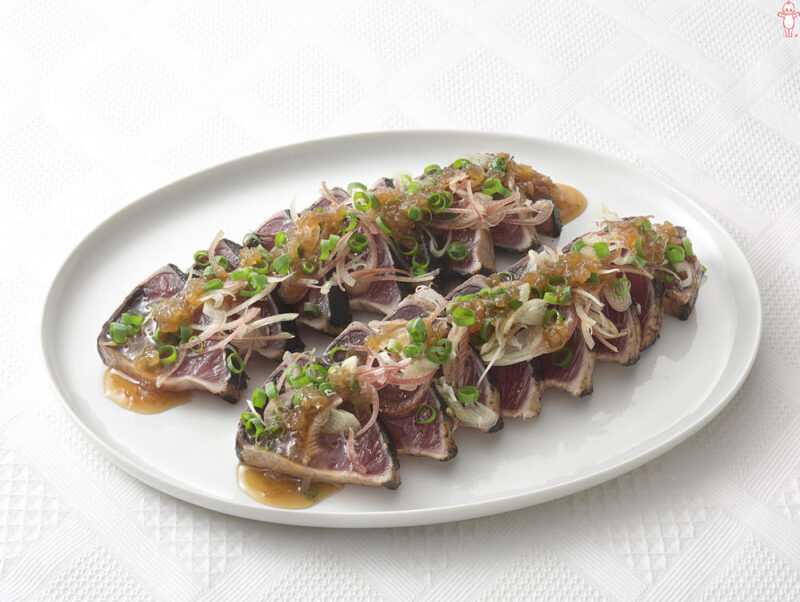
Katsuo no Tataki
A deeply historic and energetic soul food from Kochi, originally developed as a rustic fisherman meal. Freshly caught bonito is sliced thickly and seared dramatically over a roaring straw fire. The intense heat chars the skin perfectly while infusing a magical, rich smoky aroma into the raw interior, served with abundant garlic and green onions.
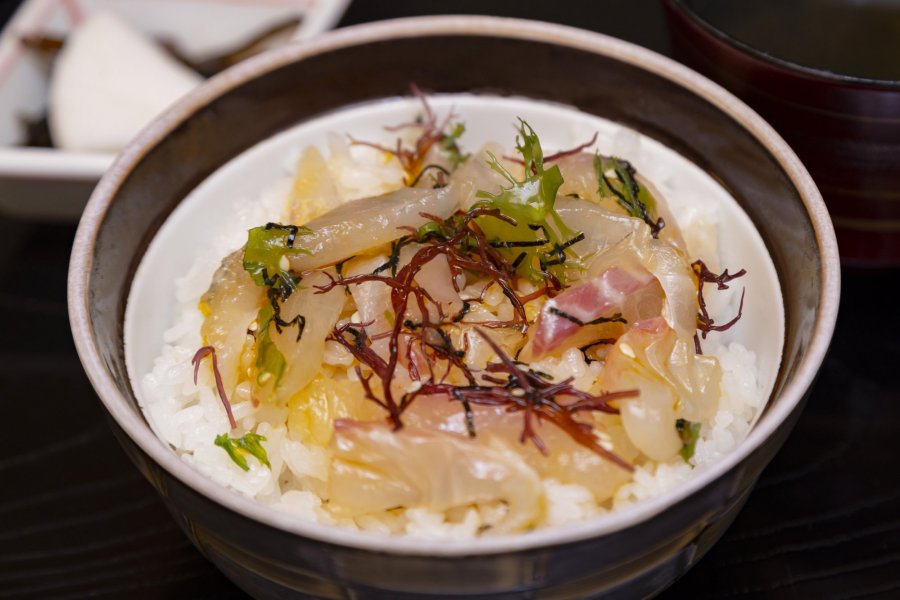
Uwajima Taimeshi
While traditional Japanese “Taimeshi” involves steaming a whole sea bream with rice, the Uwajima style in Ehime is completely unique for utilizing raw seafood catches. Slices of exceptionally fresh, translucent sea bream are dipped inside a rich savory sauce mixed with raw egg, dashi, and condiments, then poured directly over warm, fluffy rice.
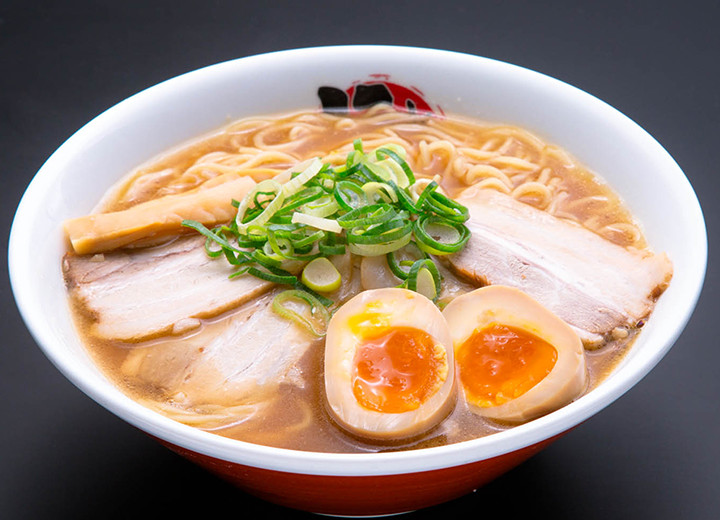
Tokushima Ramen
A highly popular regional ramen variety characterized by its unique combination of savory and sweet flavor profiles. The most famous “brown style” features a deep, rich pork bone broth seasoned with sweet dark soy sauce. Instead of typical chashu pork, it is uniquely topped with tender, simmered sweet pork belly slices and a cracked raw egg.
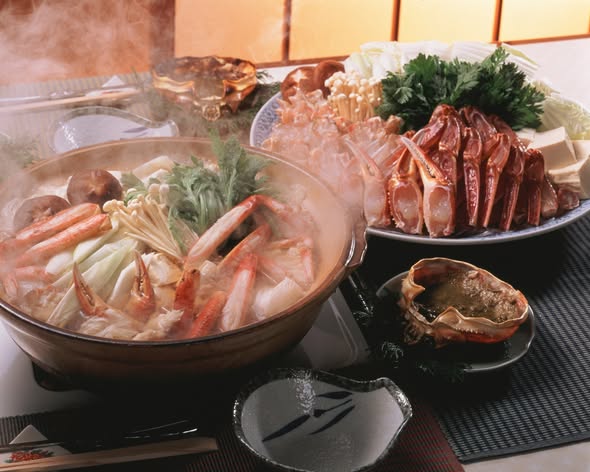
Tottori Matsuba Crab
“Matsuba-gani” is the prestigious local name given to adult male snow crabs caught in the cold, nutrient-rich depths of the Sea of Japan off the coast of Tottori. Highly prized as a winter luxury, it is famous for its densely packed, intensely sweet meat and rich, flavorful tomalley (crab miso) found inside the shell.

Ehime Mikan Juice
Blessed with a mild maritime climate and abundant hillside sunshine, Ehime is universally celebrated as Japan’s ultimate citrus paradise. This premium, authentic mandarin juice utilizes pure, freshly squeezed premium fruits without any artificial sugars, resulting in a perfectly balanced, extraordinarily sweet flavor profile that refreshes the soul.