
Navigating Prayer Spaces and Culture in Japan
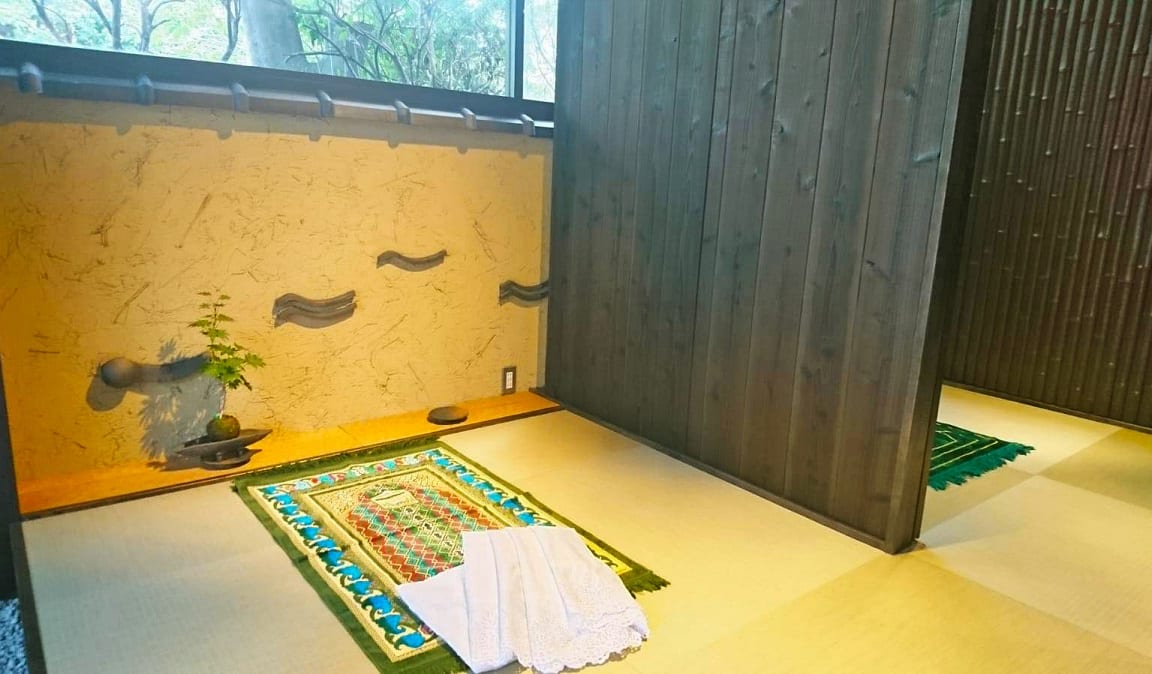

For Muslim travelers, maintaining daily prayers while exploring Japan is a deeply spiritual commitment. While Japan is not historically a Muslim-majority country, visitors often notice something unexpected: a profound sense of peace and natural respect when looking for a place to pray. This isn’t just modern tourism hospitality—it stems from a deep, shared cultural reverence for cleanliness, mindfulness, and the sacredness of daily rituals.
1. Where to Find Dedicated Prayer Rooms
Infrastructure across Japan’s golden route has modernized beautifully to respect the needs of Muslim guests. Here are the primary locations where you can experience dedicated prayer facilities:
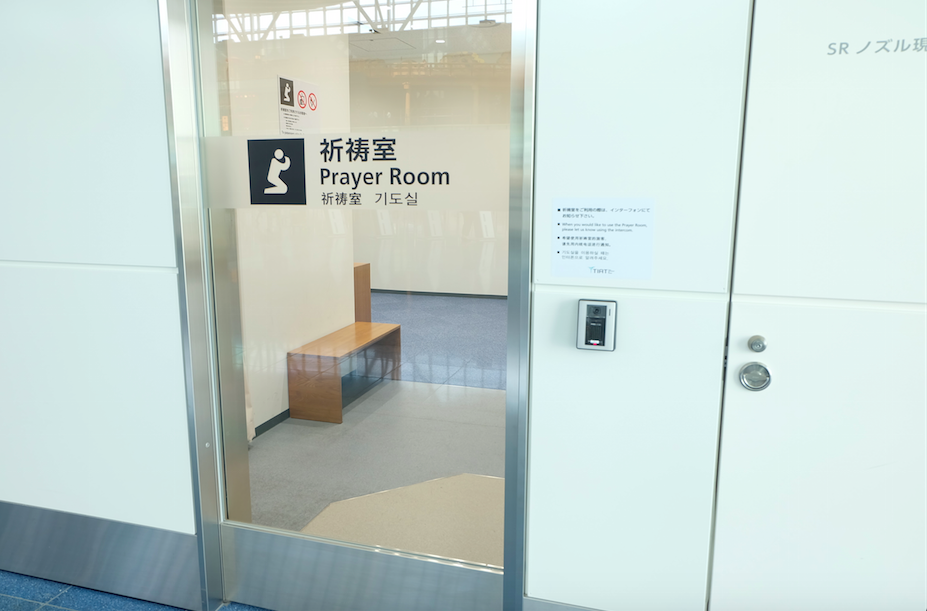
International Gateways
Haneda, Narita, and Kansai Airports offer beautifully serene, multi-room prayer halls complete with built-in, continuous-flow wudu washing stations before and after immigration.
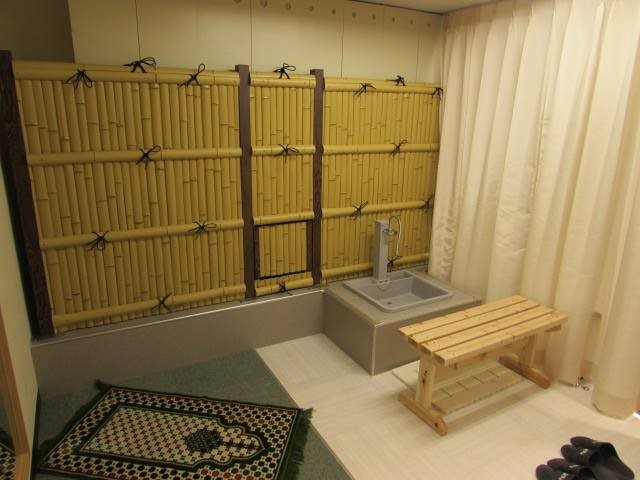
Shinkansen Hubs
Major stations like Tokyo and Kyoto provide private prayer spaces. Because they are meticulously maintained, you simply speak to the information desk staff, who will personally unlock the room for you.
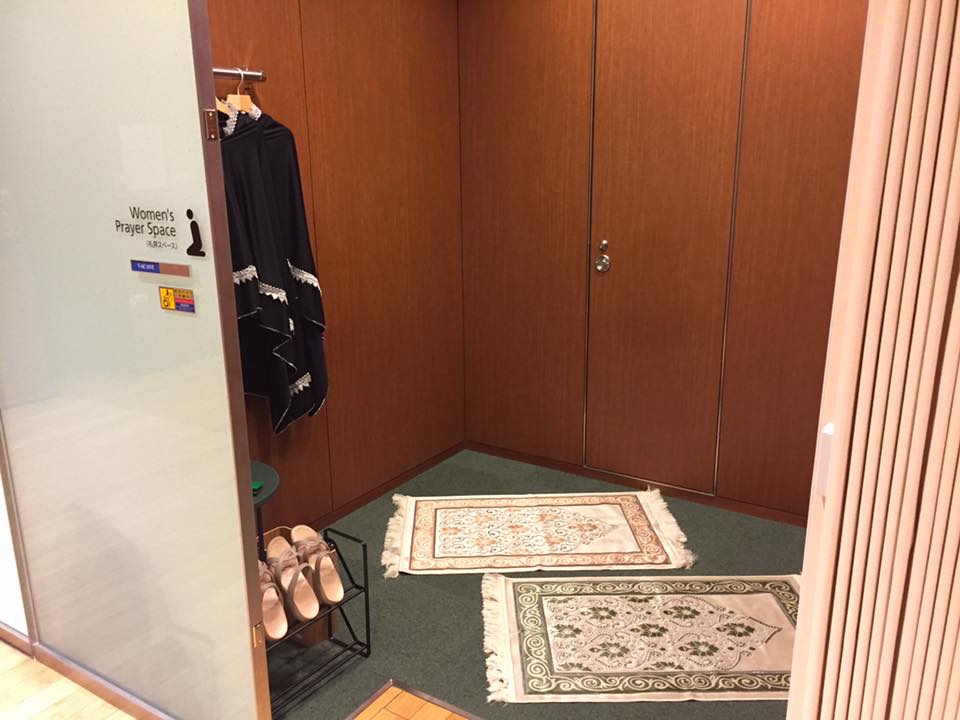
Luxury Department Stores
High-end districts like Ginza and Shibuya feature dedicated spaces. Some of these modern venues even offer digital Qibla directions mapped directly onto the design of the room.
2. The Hidden Challenges of Navigating Alone
While the country is becoming increasingly accommodating, navigating the physical spaces of dense Japanese cities requires a bit of local insight:
💡 Insight on Local Practices: To maintain perfect cleanliness, many public prayer spaces inside commercial high-rises require interacting with an entry buzzer or filling out a quick security slip at a counter. Understanding that this is an expression of Japanese care—ensuring the carpet remains pristine for the next person—changes the experience from a minor hurdle into a shared value of respect.
Key Cultural Terms to Know:
- 礼拝室 (Reihashitsu): The official kanji sign for “Prayer Room.” Recognizing these characters helps you spot signs in massive, multi-level complexes quickly.
- Footwear Etiquette: Stepping onto the prayer mat with bare feet or clean socks is mandatory. In Japan, the boundary between outer shoes and inner sanctuary is strictly respected across all facets of life.
- Dry Space Maintenance: Because Japanese public restrooms and rooms are kept perfectly dry, carrying a small personal pocket towel to dry your feet after wudu is highly appreciated by local facility caretakers.
3. Cultural Parallels: Purification in Shinto and Islam
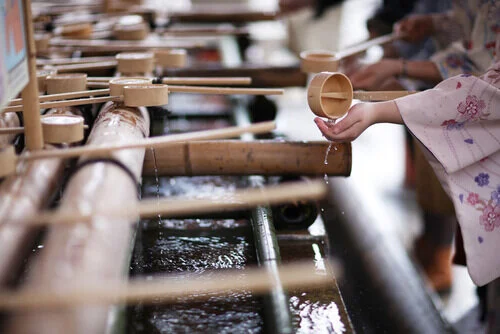
One of the most beautiful realizations for Muslim travelers in Japan is the concept of Purification (清め – Kiyome). Before a Japanese person enters a Shinto shrine, they must stop at the Temizuya (手水舎)—a water pavilion—to wash their hands and rinse their mouth to cleanse themselves before standing before the divine.
This cultural ritual mirrors the spiritual essence of Wudu. Because Japanese culture inherently connects physical cleanliness with spiritual readiness, locals deeply respect the ritual of washing before prayer. It is a bridge of unspoken understanding between two distinct traditions.
🌟 Elevating Your Journey: Premium Space Alternatives
If you find yourself in the heart of a bustling entertainment district like Shinjuku or Roppongi when the call to prayer arrives, you can utilize two uniquely Japanese spaces for a flawless, tranquil experience:
1. The High-End Karaoke Oasis
Japan’s premium karaoke boxes (such as JOYSOUND or Big Echo) are famous for world-class soundproofing and immaculate private rooms. Booking a room for 30 minutes gives you a completely isolated, clean, air-conditioned sanctuary. You can lower the ambient lighting, align your mat on the clean carpet, and pray in absolute, undisturbed silence right in the middle of the city.
2. The Serenity of Tatami Rooms
Traditional woven rush-grass mats (Tatami), found in traditional Ryokans or tea houses, are naturally antimicrobial, beautifully fragrant, and deeply peaceful. Praying on a pristine tatami floor with your travel mat aligned toward the Qibla is widely considered by visitors to be one of the most memorable, spiritually grounding sensory experiences of their entire stay in Japan.